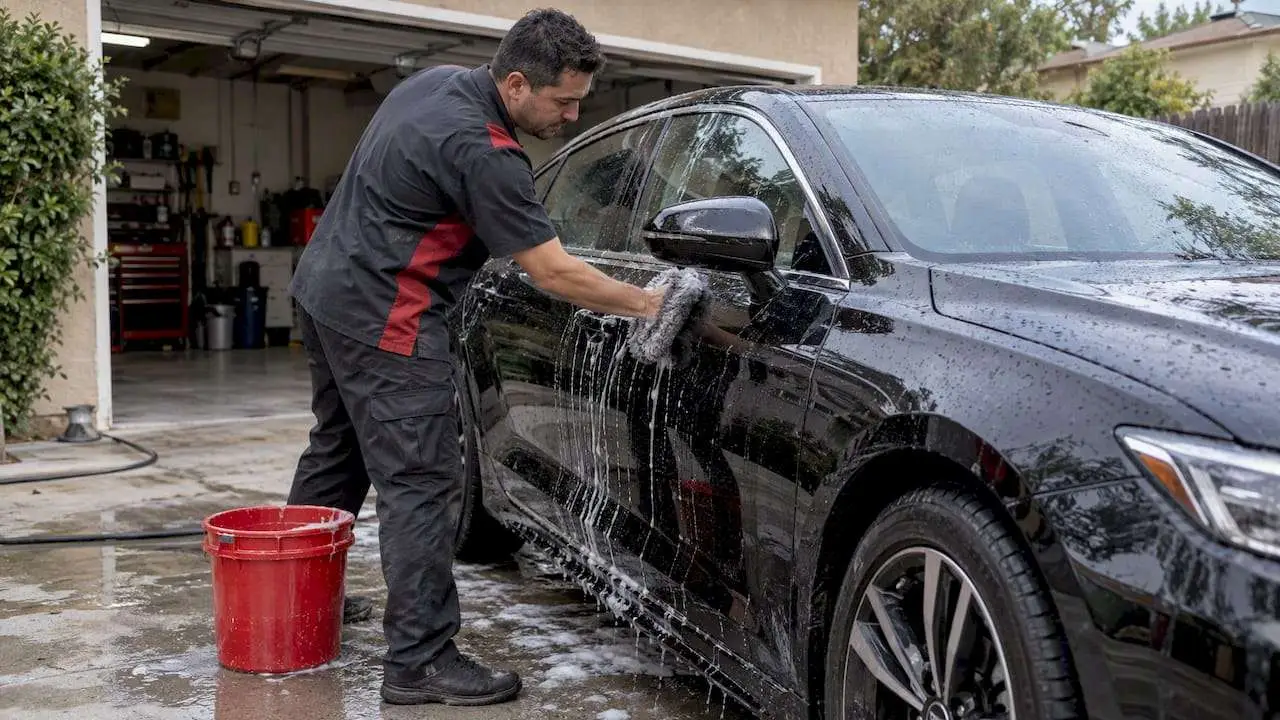

Ceramic coating gives paint reliable UV protection, strong hydrophobic behavior, easier cleaning, and a noticeable gloss boost, but it does not stop rock chips. It also will not stop deep scratches, and how long it lasts depends heavily on whether you apply it yourself or have a professional do it after paint correction.
TL;DR:
- Ceramic coating offers UV protection that blocks up to 95% of sun exposure, helping paint maintain color and gloss longer, especially in sunny climates.
- It provides chemical resistance to contaminants like bird droppings and tree sap, but cannot prevent damage from high-impact road debris or deep scratches.
- Durability varies from 1 to 2 years for DIY applications to 3 to 7 years for professional installs, depending on maintenance and environmental factors.
- Proper prep, including paint correction and decontamination, is essential; skipping this step can lock in defects under the coating.
- Coatings require ongoing care, such as regular washing with pH-neutral shampoo and annual inspections, to maximize lifespan and maintain warranty validity.
Table of Contents
- 1. What ceramic coating actually is and how it cures
- 2. The core benefits: UV protection, chemical resistance, hydrophobicity, and gloss
- 3. What ceramic coating won’t protect against
- 4. How long ceramic coating lasts and how to maintain it
- 5. DIY versus professional application: what actually changes
- 6. What installers watch for that most guides skip
- 7. Who should get ceramic coating versus paint protection film
- PPF Pros: professional ceramic coating and paint protection in Los Angeles
- Sources
- FAQ
1. What ceramic coating actually is and how it cures
Ceramic coating is a liquid polymer built around silicon dioxide (SiO2) or titanium dioxide (TiO2) that chemically bonds to your car’s clear coat rather than sitting on top of it like wax. Once applied, it cures into a thin, hard, hydrophobic film that becomes part of the paint’s surface chemistry, which is why it behaves so differently from a wax layer that simply melts off in the sun.
That hardness is often measured on the pencil hardness scale, and many professional-grade coatings land near 9H, the top of that scale. Manufacturer data for products like Koch-Chemie Ceramic Allround C0.02 shows a cure timeline that stretches over roughly nine days before the coating reaches full hardness, even though it becomes weatherproof within about a day.
None of that chemistry works on dirty or damaged paint. Before any coating goes on, the surface needs:
- A full decontamination wash to strip iron deposits, tar, and old wax.
- Paint correction to remove swirl marks, oxidation, and light scratches.
- A final wipe-down with isopropyl alcohol to remove polishing oils that block bonding.
Skip that prep and the coating bonds to defects instead of clean paint, locking in flaws under a hard shell that’s difficult to correct later.
2. The core benefits: UV protection, chemical resistance, hydrophobicity, and gloss
The four benefits owners actually notice day to day are UV protection, chemical resistance, easier washing, and a deeper shine. Each one has real evidence behind it, and each one has a practical ceiling worth knowing before you spend money.
UV protection and fading. Clear coat degrades under sun exposure, turning chalky and dull over years of exposure. High-quality ceramic coatings can block up to 95% of UV exposure compared with conventional wax, which slows oxidation and helps paint hold its color and gloss far longer than an unprotected surface. That single figure explains why coated cars in hot, sunny climates tend to look newer for longer.

Chemical resistance. Bird droppings, tree sap, and road salt are acidic or alkaline enough to etch into bare clear coat if left too long. A cured ceramic layer adds a buffer that makes these contaminants easier to remove before they bite into the paint, though it doesn’t make paint immune. Aggressive contaminants left for days, especially in direct heat, can still etch through a coating, so quick removal still matters.
Hydrophobicity and wash time. This is the benefit most owners feel immediately: water beads tightly and rolls off instead of sheeting, carrying loose dirt and dust with it. That beading and roll-off behavior cuts down the physical scrubbing needed at wash time and reduces water spotting because less water sits and dries on the panel.
- Beading reduces the amount of contact time dirt has to bond to paint.
- Roll-off during rain acts as a light, passive rinse between washes.
- Less scrubbing means fewer fine swirl marks introduced over time.
Gloss. Coatings produce a deeper, wetter-looking shine than wax or paint sealant because the cured film is optically clearer and sits flatter against the clear coat, without the slight haze that some waxes leave behind.
Ceramic coatings are frequently marketed as near-permanent armor, and that framing sets owners up for disappointment. The honest version, backed by WheelPrice’s service guide, is that coatings are durable and genuinely useful, but they need proper prep and ongoing maintenance to deliver the lifespan advertised on the label.
3. What ceramic coating won’t protect against
A ceramic coating is measured in microns. A rock kicked up at highway speed carries enough energy to punch through paint, primer, and sometimes metal, and no coating that thin can absorb that kind of impact. That’s a physics problem, not a product quality problem, and it applies to every coating brand on the market.
Coatings do reduce light marring, the fine swirls that come from hand towels and automatic car washes, because the hard film resists minor abrasion better than bare clear coat. But “resists minor abrasion” is not “scratch-proof.” A key dragged across a panel, a shopping cart, or a dog’s claws will still cut through the coating and into the paint underneath.
- Coatings do not eliminate the need for regular washing, only reduce the effort involved.
- Harsh automatic washes with brushes can scratch a coated surface just as they scratch bare paint.
- Using acidic or alkaline cleaners early in the cure window can damage the bond before it fully hardens.
Pro Tip: If a shop or product claims a coating stops rock chips, that’s a sign to keep shopping, not a sign you found a better coating.
4. How long ceramic coating lasts and how to maintain it
Lifespan depends almost entirely on where the coating came from and how it’s treated afterward. Consumer DIY kits typically last 1 to 2 years, while professionally applied coatings typically run 3 to 7 years with proper maintenance. Climate, wash habits, and whether the car is garaged or parked outdoors all push that range up or down.

Most professional coatings carry a warranty, and many of those warranties require an annual inspection along with documented use of approved aftercare products to stay valid. Skipping the inspection or using the wrong wash soap can void coverage even if the coating still looks fine.
A simple aftercare routine goes a long way toward hitting the upper end of that lifespan range:
- Wash every one to two weeks with a pH-neutral shampoo rather than a dish soap or degreaser.
- Dry with a clean microfiber towel or a blower to avoid introducing new swirls.
- Apply a hydrophobic topper or booster every three to six months to refresh beading, a maintenance step detailers commonly recommend.
- Book a professional inspection or maintenance detail once a year, especially if a warranty depends on it.
Watch for water sheeting instead of beading and slower drying, since those are the earliest signs the coating is wearing thin and due for a refresh or reapplication.
- Avoid automatic tunnel washes with brushes, which shorten coating life.
- Park in shade or a garage when possible to reduce UV load and heat cycling.
5. DIY versus professional application: what actually changes
DIY kits cost less and let you apply the coating on your own schedule, but they come with a lower durability ceiling and a real risk of sealing in defects if the paint wasn’t corrected first. A coating bonds to whatever surface it’s given, swirls, oxidation, and all, and once it cures, those flaws are locked under a hard layer that’s far more work to polish out than bare paint.
Professional application, paired with multi-stage paint correction, removes those defects before the coating ever goes on, which is the main reason professional jobs land at the higher end of the lifespan range and DIY jobs often don’t. That extra cost buys correction work, controlled application conditions, and usually a warranty.
If you’re going the DIY route, a few things matter more than the coating brand itself:
- Wash and decontaminate thoroughly, then check for residual wax with a panel wipe.
- Work in a climate-controlled space with low humidity and moderate temperature.
- Apply thin, even cross-coats and avoid pooling in body lines or trim gaps.
- Watch for high spots forming as the product flashes, since they’re much harder to fix once cured.
Professional application tends to be worth the added cost on newer cars, show cars, or any vehicle where the owner wants the coating to actually reach its full advertised lifespan.
6. What installers watch for that most guides skip
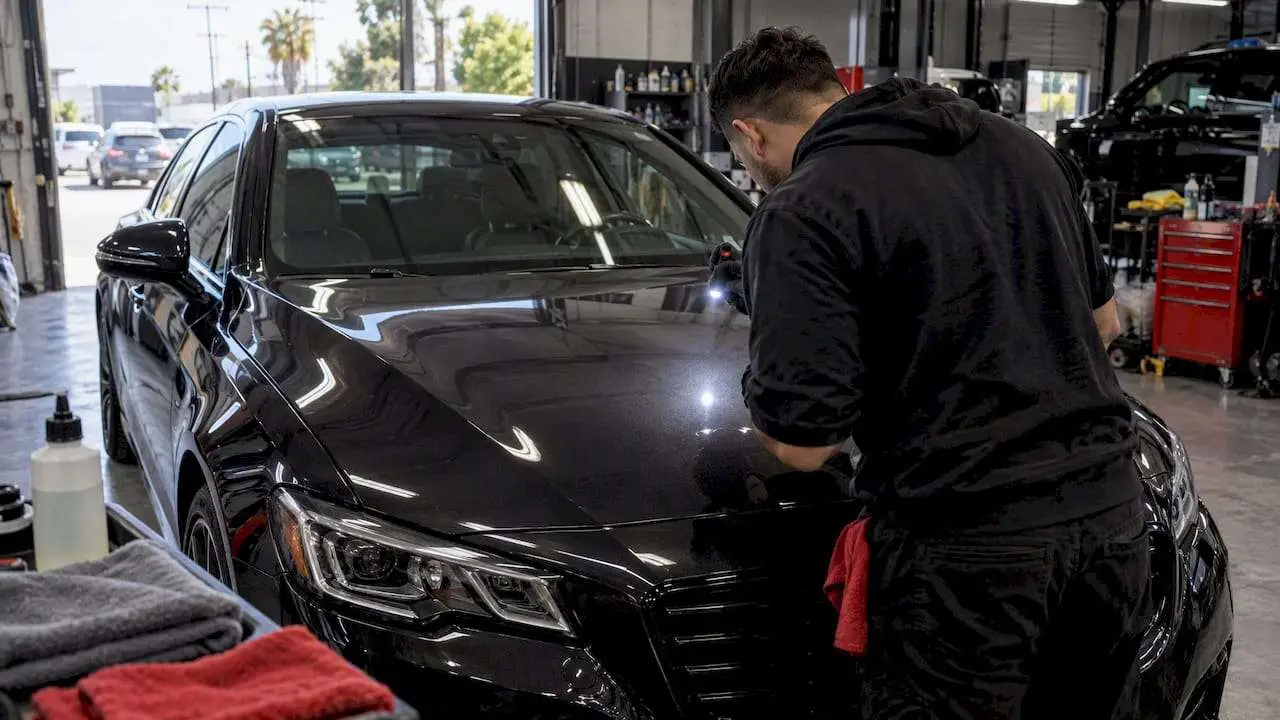
Paint correction before coating isn’t an optional upgrade, it’s the step that determines whether the finished result actually looks good. Coating over unpolished paint just locks in the swirls and haze that were already there, permanently, until the coating wears off or gets removed.
One failure mode that rarely makes it into consumer guides is the high spot, a patch where excess product flashes before it’s wiped off evenly and leaves a visible, textured mark. Installers manage this with paint control lamps during wipe-off to catch uneven product in raking light, and by controlling ambient humidity and temperature during application. Once a high spot cures, fixing it usually means abrasive polishing and redoing that panel from scratch.
- Correction removes swirls and oxidation before any coating touches the paint.
- Lamp inspection during wipe-off catches uneven product before it cures.
- Controlled shop conditions reduce flash time inconsistencies that cause high spots.
PPF Pros applies this same discipline across its ceramic coating, PPF, and vinyl wrap work, and the shop’s 4.9-star rating reflects a track record built on that kind of prep-first approach rather than shortcuts.
7. Who should get ceramic coating versus paint protection film
Ceramic coating makes the most sense for owners who care about long-term gloss, live somewhere sunny or dealing with acidic pollution and hard water, and plan to keep the car for years rather than trade it in soon. It’s a finish investment, not an impact shield.
If your real concern is rock chips from highway driving, gravel roads, or heavy commuting, paint protection film is the better fit, since it’s a thick film built to absorb impacts that a coating simply can’t. Many owners run both: PPF on the front end paired with a coating over the whole car for chip protection plus easy maintenance.
Before deciding, check three things: your paint’s current condition, your budget for correction plus coating or film, and how long you plan to keep the car.
— Jake
PPF Pros: professional ceramic coating and paint protection in Los Angeles
Getting a coating that actually reaches its full lifespan comes down to correction, application conditions, and aftercare, and that’s the exact process our team runs on every car. Professional ceramic coating services pair ceramic coating with the paint correction it needs to hold up, typically backed by premium materials and straightforward communication including timely quotes.
- Ceramic coating applied after full decontamination and correction, not over existing swirls.
- Bundled options pairing PPF and ceramic coating for owners who want chip protection and easy cleaning together.
- Documented aftercare guidance so your warranty stays valid year over year.
If you’re weighing the cost and payoff in more detail first, our breakdown of ceramic coating cost and pros and cons covers the numbers. When you’re ready, request a quote on our ceramic coating page and we’ll walk you through what your car needs.
Sources
- Ceramic Coating: Is It Worth It? | WheelPrice
- What Are the Benefits of Ceramic Coatings on Cars? | AZoM
- Ceramic Allround C0.02 product data sheet | Koch-Chemie
FAQ
What is the downside of ceramic coating?
Ceramic coating does not prevent rock chips or deep scratches, since the film is too thin to absorb high-impact damage. It also requires proper paint correction before application and ongoing maintenance to reach its advertised lifespan, which adds cost beyond the coating itself.
How long do ceramic coatings last?
Consumer DIY coatings typically last 1 to 2 years, while professionally applied coatings typically last 3 to 7 years with proper aftercare. Climate, wash habits, and whether the vehicle is garaged all affect where it lands in that range.
Is it worth having ceramic coating on a car?
It’s worth it for owners who want easier washing, stronger UV protection, and a deeper gloss over the long term, especially if they plan to keep the car for years. It’s less worthwhile as a standalone solution for anyone mainly worried about rock chips, since paint protection film handles that job instead.
Is ceramic coating really necessary?
Ceramic coating is not required to keep a car running or even looking decent, but it does meaningfully cut down wash time and slow UV fading compared with wax alone. Whether it’s necessary depends on how much you value long-term gloss retention and lower maintenance effort versus the upfront cost of correction and application.