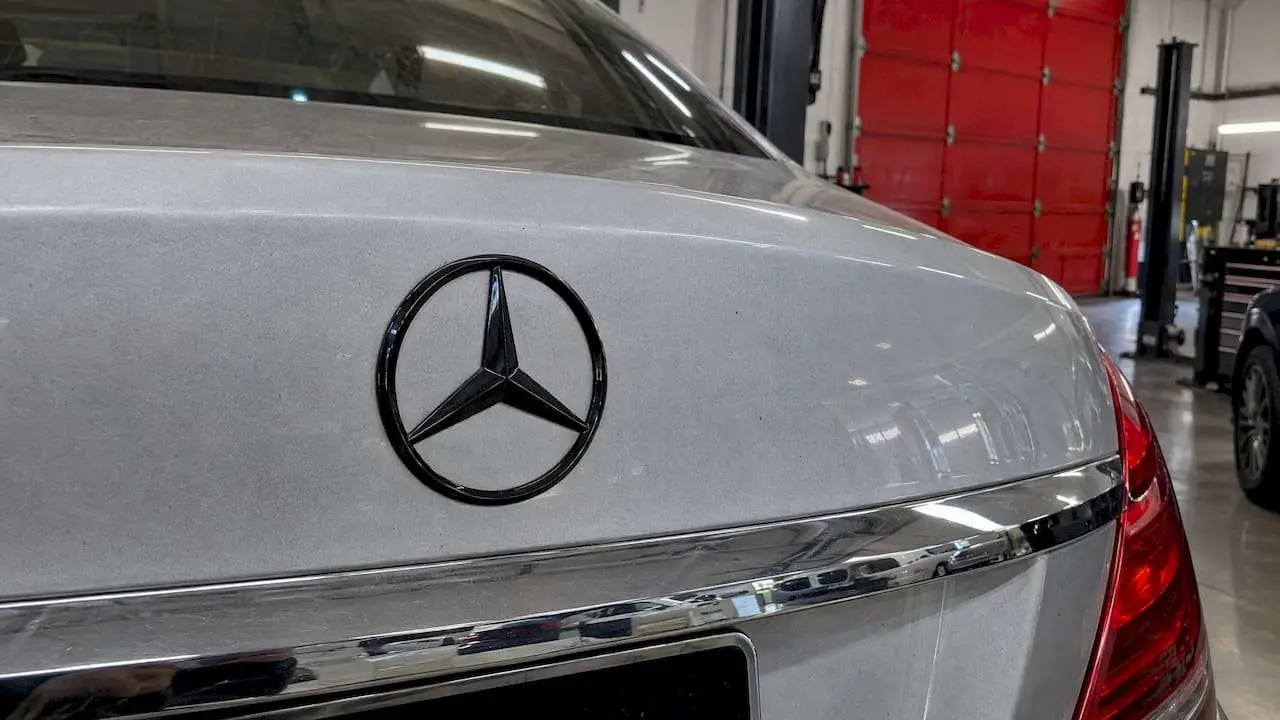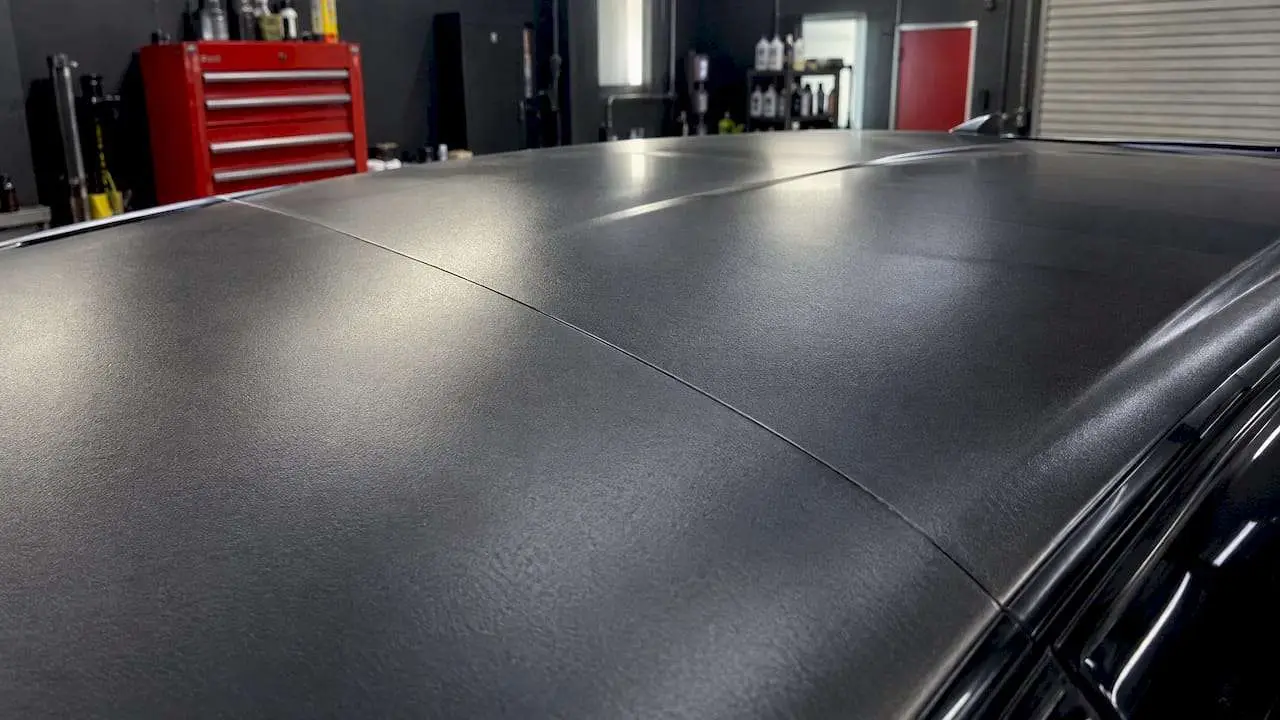

A graphene coating is a ceramic coating with graphene added to it. That is the short answer, and it shapes everything else. The two are not different species of product. Graphene versions are silica-based ceramic systems that carry graphene oxide platelets, usually sold as a step up in water behavior, dust resistance and longevity. Whether that step up is worth paying for depends on your car, your climate and, above all, who installs it.
Below we cover what is really in the bottle, where graphene may help, where the claims run ahead of the evidence, what each costs, and how to choose.
TL;DR
- Graphene coatings are ceramic (silica or polysilazane) coatings enhanced with graphene oxide, not a pure layer of graphene.
- Graphene is credited with fewer water spots and less dust attraction. Both types resist UV and chemicals, and neither is scratch-proof.
- Published life estimates favor graphene (5 to 10 years vs 1 to 3 for ceramic), but we found no independent head-to-head test of commercial car products. Judge the written warranty, the maker’s instructions and the installer.
- Neither coating stops rock chips. Paint protection film does.
- Prep is the same for both: decontamination and paint correction before anything goes on.
Table of Contents
- What a graphene coating actually is
- How the two compare, point by point
- Does graphene last longer?
- Prep and application: the part that decides the result
- Maintenance is nearly identical
- What does each cost?
- Our perspective
- When you need film, not a coating
- Protection options at PPF Pros
- FAQ
- Sources
What a graphene coating actually is
A 2014 to 2024 academic review of car coating materials describes automotive graphene coatings as professional ceramic systems, typically silica or polysilazane based, enhanced with graphene oxide or reduced graphene oxide platelets. It makes the point that this is not raw graphene, which is a single layer of carbon atoms. The same review describes these as SiO2 formulations infused with graphene or its derivatives, intended to improve flexibility, heat resistance and chemical durability.
That explains the skepticism you will see in detailing forums, where plenty of people say there is no real difference because the graphene is simply added to something already called ceramic. They are half right. The base chemistry is shared. What is debatable is how much the additive changes the result on a real car, and by how much.
So when you compare the two, you are comparing a standard ceramic formula against a modified ceramic formula, from a particular maker, installed by a particular shop. Three variables, and the word on the label is only one of them.
How the two compare, point by point
| Factor | Ceramic coating | Graphene-enhanced coating |
|---|---|---|
| Base chemistry | Silica (SiO2) or similar | Same ceramic base plus graphene oxide platelets |
| UV and chemical resistance | Yes | Yes |
| Water spotting | Can still spot, especially in hard water | Reported to be less prone |
| Dust attraction | Standard | Anti-static behavior reported to reduce it |
| Scratch-proof | No | No |
| Rock chip protection | No | No |
| Typical cost | Lower | Higher |
| Prep required | Full decontamination, paint correction | Same |
UV, chemicals and scratches
Both types protect against UV and chemical exposure, and neither is scratch-proof. A coating adds a hard, slick sacrificial layer that makes light marring less likely and washing easier. It does not make paint immune to a key, a shopping cart or a poorly done wash. Anyone who tells you otherwise is selling.
Water spots and dust
This is where graphene has its best argument. The same source says graphene is less prone to water spotting and dust attraction, and credits the anti-static properties for helping a car stay visually cleaner between washes. Academic work on graphene polymer composites also points to graphene’s thermal and hydrophobic character as helping dissipate heat and reduce water spots.
In practice that matters most on dark paint, on cars parked outside under sprinklers, and in hot, sunny, dusty places. Los Angeles qualifies on the last two. If your car lives in a garage and gets washed on a schedule, the gap shrinks.
Heat
Graphene conducts heat well, which is why heat dissipation comes up in the research. Treat it as a plausible mechanism, not a promise that your hood will run cooler or your paint will never fade. The honest benefit to expect is cleaner-looking paint with less effort, not a measurable change in surface temperature you would notice.
Does graphene last longer?
The numbers you will see most often: a peer-reviewed review in the journal Polymers, reported by Coatings World, estimates graphene-based coatings at five to ten years of service life versus one to three for traditional ceramic. The same article is careful to say the review does not declare a winner, and it frames ceramic as the practical lower-cost choice and graphene as the higher-performing, higher-cost option for buyers who put longevity first.

Two cautions before you take those years to the bank.
First, they are estimates for coating categories, not guarantees for a product on your car. We found no published independent test comparing commercial graphene and ceramic car coatings head to head. That means the useful comparison is not the word on the bottle. It is the maker’s instructions, the written warranty and the installer’s track record.
Second, real lifespan depends on what happens after install. A coating that is never washed correctly, never inspected and parked under a tree full of sap will not reach its rated life, whatever it contains. Our own write-ups on how long ceramic coating lasts and on stretching lifespan with a maintenance plan go deeper on what moves the number.
Prep and application: the part that decides the result
The academic review is clear that both coating types need professional-level preparation, because bond strength depends on how clean the surface is: decontamination first, then paint correction where the paint needs it. A premium coating over contaminated or swirled paint locks the flaws in under glass.

That is why we tell customers the install matters more than the label. A mid-tier ceramic on properly prepared paint will beat a graphene product slapped on a dirty, hazy finish. If you are wondering whether you can skip the polishing step, read whether you need paint correction before ceramic coating. If you are thinking of doing it yourself, the three checks to pass before DIY prep are worth reading first.
One more sequencing point: fix dents before you correct and coat. Once a coating cures, you want the panel work finished. This explanation of dent repair before paint correction walks through why the order matters.
Graphene products are often marketed as easier to apply or more forgiving. That can be true of consumer spray products, but a spray you wipe on in a driveway is a different category from a professional system installed in a controlled bay. Do not compare a bottle off a shelf with a shop install and call it graphene versus ceramic.
Maintenance is nearly identical
For both coatings the routine is the same. Wash regularly with a pH-neutral shampoo and have the coating inspected periodically to catch degradation early, as the car coating review notes. Detailers commonly check graphene coatings during those maintenance washes, which is a good habit for any coating.
A few practical rules we give every customer:
- Hand wash with a pH-neutral soap, or use a touchless wash while the coating is new.
- Avoid harsh wheel acids and strong degreasers on painted surfaces.
- Rinse bird droppings, bug splatter and sap off quickly rather than letting them bake.
- Skip wax layered on top unless the coating maker approves it.
- Book an inspection once a year so small problems stay small.
If you are still deciding between a coating and traditional protection, our comparison of ceramic coating vs wax covers the tradeoffs.
What does each cost?
The commonly repeated rule of thumb is that ceramic runs roughly 20 to 30 percent below a comparable graphene coating, but that figure comes from content sites, so use it only as a rough guide. Actual quotes vary with vehicle size, paint condition, how much correction is needed, the product tier and the warranty attached.
When you collect quotes, make them comparable. Ask each shop:
- Which exact product and tier is being applied, and for how many years the maker backs it?
- How many hours of decontamination and paint correction are included?
- Does the price cover door jambs, wheels or glass?
- What does the warranty require from you (annual inspections, approved wash methods)?
- Who stands behind a claim if the coating fails?
A quote that cannot answer these is not a bargain, whatever the number says. Is the premium for graphene worth it? If you park outside, drive a dark car, hate wiping dust and water spots, and plan to keep the car for years, it may well be. If you want solid, proven protection at a lower price, a professionally installed ceramic is a sensible, honest choice.
Our perspective
We install coatings every week, and here is how we see this debate. The label gets too much attention and the prep gets too little. Customers arrive asking for graphene because they read it lasts ten years. We ask about their paint, where the car sleeps at night, how it gets washed and how long they plan to keep it. Those answers decide the recommendation more than any marketing term does.
We also stay straight about limits. A coating makes a car easier to clean and gives the clear coat a tougher, glossier skin. It will not stop a pebble at 70 mph on the 405. If chips are your real worry, the answer is film, and a coating on top of film is a great combination. Our guide on what actually stops rock chip damage explains where each product fits.
Our view: choose the product with a clear written warranty, ask hard questions about prep, and pick the shop you trust to do the work properly. The best coating is the one installed on well-prepared paint and then maintained.
— Jake
When you need film, not a coating
Many owners compare graphene and ceramic when what worries them is stone chips, door-edge dings and road debris. Ceramic coatings are not designed to provide physical impact protection against rock chips; paint protection film is the product for that. Graphene does not change this.
Here is a simple way to sort it:
- Daily driver, mostly city miles: a professionally installed ceramic coating is usually enough, and graphene is a reasonable upgrade if water spots bother you.
- Dark or black paint, parked outside: graphene’s water and dust behavior is most relevant here.
- Freeway commuter or track-day car: film on the front end first, then a coating over it.
- Leased or high-value car with resale in mind: film on high-impact panels plus coating on the rest gives the broadest protection.
- Tesla owner: the large, flat hood and fascia take constant debris, so film at the front is worth pricing alongside a coating.
Protection options at PPF Pros
We are an XPEL authorized installer in North Hollywood, and we offer both film and coatings, so we can recommend the mix your car actually needs rather than pushing one product. Our Full Front paint protection film package is $2,199, and Full Vehicle coverage starts from $4,500. For paint that needs gloss, slickness and easier washing, see our ceramic coating service, which uses the System X 5-year system. Send us your car and your questions and we respond the same day with a clear quote.
FAQ
Is graphene coating better than ceramic coating?
It may be better at resisting water spots and attracting less dust, and published estimates give it a longer service life. But graphene coatings are ceramic coatings with an additive, and we found no independent test comparing commercial products. Judge the specific product, its warranty and the installer.
Is graphene coating pure graphene?
No. Automotive graphene coatings are ceramic systems enhanced with graphene oxide or reduced graphene oxide platelets. Pure graphene is a single layer of carbon atoms and is not what goes on your paint.
Will either coating stop rock chips or scratches?
No. Neither is scratch-proof, and ceramic coatings are not built to absorb impact from rock chips. Paint protection film handles physical impact, and a coating can be applied over it for easier cleaning.
Do I need paint correction before either coating?
Yes, in most cases. Both depend on a clean, decontaminated surface for a strong bond, and any swirls or haze in the paint will be sealed in if they are not corrected first. How much correction your car needs depends on the condition of the paint.
How do I maintain a graphene or ceramic coating?
Wash regularly with a pH-neutral shampoo, remove contaminants like bird droppings quickly, and have the coating inspected periodically. The routine is essentially the same for both types.
Sources
- Development of Car Coating Materials over the Past Decade (PubMed Central)
- Graphene vs. Ceramic Coatings: Durability, Cost & A More Expensive Rival (Coatings World)
- Current Perspectives on Graphene Polymer Composites as Automotive Coatings
- Graphene Coatings vs Ceramic Coatings: What’s Best in 2025
- What Is Ceramic Coating, And Is It Worth It? (Motor1)