Premium self-healing film runs about 7 to 10 years, mid-range TPU film lasts around 5 to 7 years, and economy film typically holds up 3 to 5 years. Climate, installation quality, and how you wash the car can shift that range by a year or two in either direction. The sections below cover exactly what to inspect and when replacement actually makes sense.
TL;DR:
- The lifespan of premium self-healing PPF typically exceeds 7 years, but environmental factors like UV, salt, and driving habits can shorten this to 5 years or less.
- Proper installation and maintenance, especially avoiding harsh wash methods and inspecting edges regularly, are crucial to maximizing film longevity.
- Yellowing, edge lift, bubbling, cracking, and loss of self-healing are signs the PPF needs replacement or repair, with spot fixes suitable for isolated damage.
- A ceramic topcoat can extend PPF lifespan by 2 to 3 years but adds cost and requires periodic reapplication.
- Warranties usually cover manufacturing defects but not cosmetic damage, so owners should document conditions and consult professionals for evaluation before replacing.
Table of Contents
- PPF Lifespan by Film Quality: What to Actually Expect
- What Actually Determines How Long PPF Lasts?
- How Do You Know If Your PPF Needs Replacing?
- How to Extend PPF’s Lifespan With Better Maintenance
- What Does a PPF Warranty Actually Cover?
- How Do Installers Decide Repair vs. Replace?
- Which Lifespan Guidance Fits Your Situation?
- Ready to Get Your PPF Inspected?
- Sources
- FAQ
PPF Lifespan by Film Quality: What to Actually Expect
The gap between a cheap install and a premium one isn’t marketing fluff. It shows up on the hood.

Economy PVC-based films tend to yellow, harden, and lift at the edges within 3 to 5 years, according to installer data from Atlanta Tint Lab. Mid-range TPU products, the kind most shops install today, generally hold their clarity and flexibility for 5 to 7 years. Premium self-healing TPU, the type built with UV stabilizers and a topcoat designed to shrug off light swirl marks, routinely reaches 7 to 10 years, and manufacturer data sheets back that range depending on geographic exposure.
Here’s how that plays out for real owners:
- A weekend car kept in a garage with premium film can push past 10 to 12 years before anyone notices real degradation.
- A daily driver logging highway miles in a hot, high UV climate might see a premium film start showing wear closer to the 7 year mark.
- A budget film on a car parked outdoors in direct sun can start yellowing in as little as 2 to 3 years.
Avery Dennison’s Supreme PPF X3 product data sheet puts premium film’s vertical exposure rating at roughly 7 to 10 years, with high UV zones trimming a year or two off that ceiling. Forum threads tell a messier but consistent story. Owners on Reddit’s r/Detailing commonly report keeping front-end film 5 to 8 years before swapping it, which lines up with the manufacturer numbers even though nobody there is reading a spec sheet.
What Actually Determines How Long PPF Lasts?
Film quality matters, but it’s not the whole story. Installation technique is often the bigger variable.
A well-installed mid-range film frequently outlasts a poorly installed premium film by several years, according to The Detailing Gang’s breakdown of installation factors. The reason comes down to a handful of details most car owners never think to check: whether the edges were wrapped or cut sharp on the panel, whether contamination got trapped under the film during application, and whether the installer used correct heat and stretch to conform the film around curves without stressing the adhesive.
Beyond installation, a few environmental and behavioral factors move the needle:
- UV and heat exposure: Hot, sun-heavy climates accelerate yellowing and adhesive breakdown, often shaving 1 to 2 years off the expected range.
- Salt and road chemicals: Coastal air and winter road treatments stress the film’s edges and adhesive bond, a factor covered in detail by Diamond Brite’s guide to road salt protection.
- Highway mileage: Frequent stone impacts concentrate wear on the front bumper, hood leading edge, and mirrors, wearing those specific panels faster than the rest of the car.
- Film chemistry: Modern TPU with self-healing topcoats resists yellowing and minor scratching far better than older PVC film, which stiffens and discolors with age.
- Wash habits: How often and how you wash the car is the single biggest factor you actually control.
Pro Tip: If you drive a lot of highway miles, ask your installer about a front-end-only package rather than paying for full coverage you don’t need everywhere. It puts your budget where the wear actually happens.
How Do You Know If Your PPF Needs Replacing?
Run through this checklist every few months, and you’ll catch problems before they reach your paint.
- Check for yellowing or hazing. Hold a white sheet of paper next to the film in direct sunlight. Any visible amber or milky tint means the UV inhibitors have broken down.
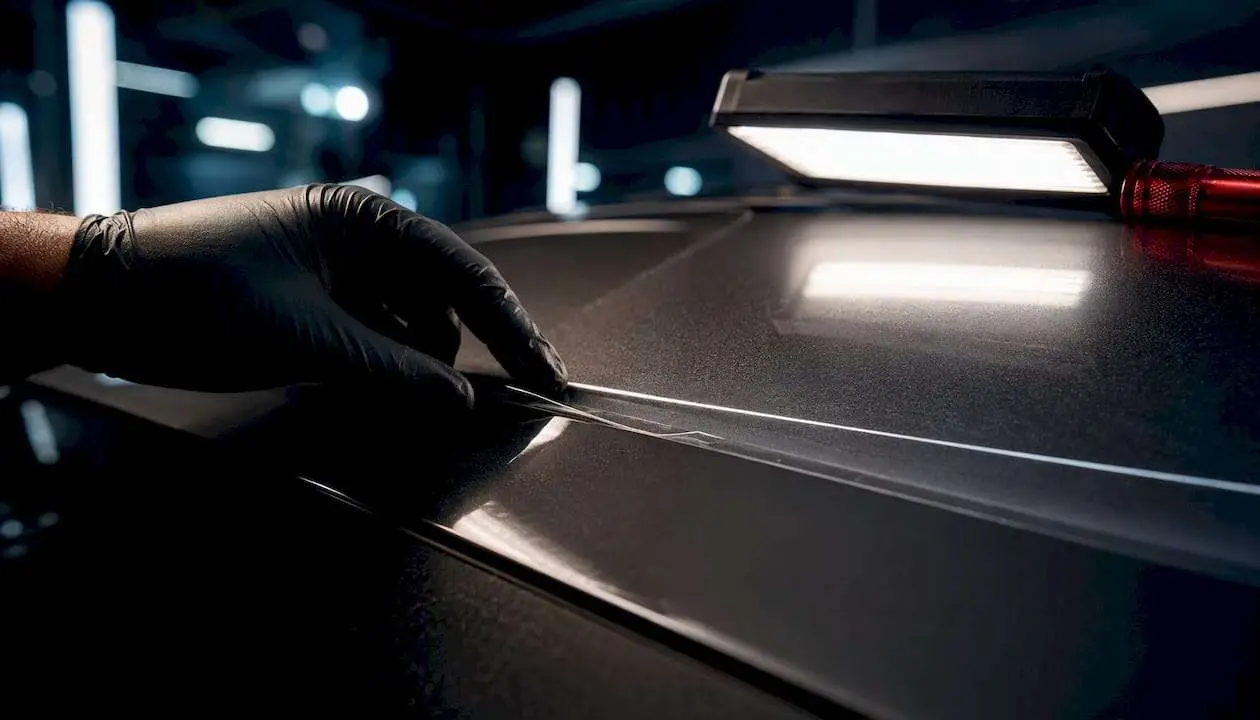
- Look at the edges. Lifting, curling, or a visible seam where the film meets the paint signals adhesive failure, not just cosmetic aging.
- Inspect for bubbling or delamination. Air pockets or cloudy patches under the surface mean moisture or contamination got trapped, and that section won’t self-heal.
- Look for crazing or spiderweb cracking, especially over curved panels like mirrors and bumpers. This is a sign the film has lost flexibility.
- Test the self-healing function. Run a fingernail lightly across a swirl mark and apply warm water or sun exposure. If light scratches stay put instead of disappearing, the topcoat is done.
- Check for permanent staining from bug splatter, tree sap, or bird droppings that won’t lift with normal washing.
A single damaged panel usually calls for a spot repair. Widespread yellowing, edge lift across multiple panels, or total loss of self-healing points toward a full or partial rewrap instead.
How to Extend PPF’s Lifespan With Better Maintenance
Most film doesn’t fail from age. It fails from bad washing habits.
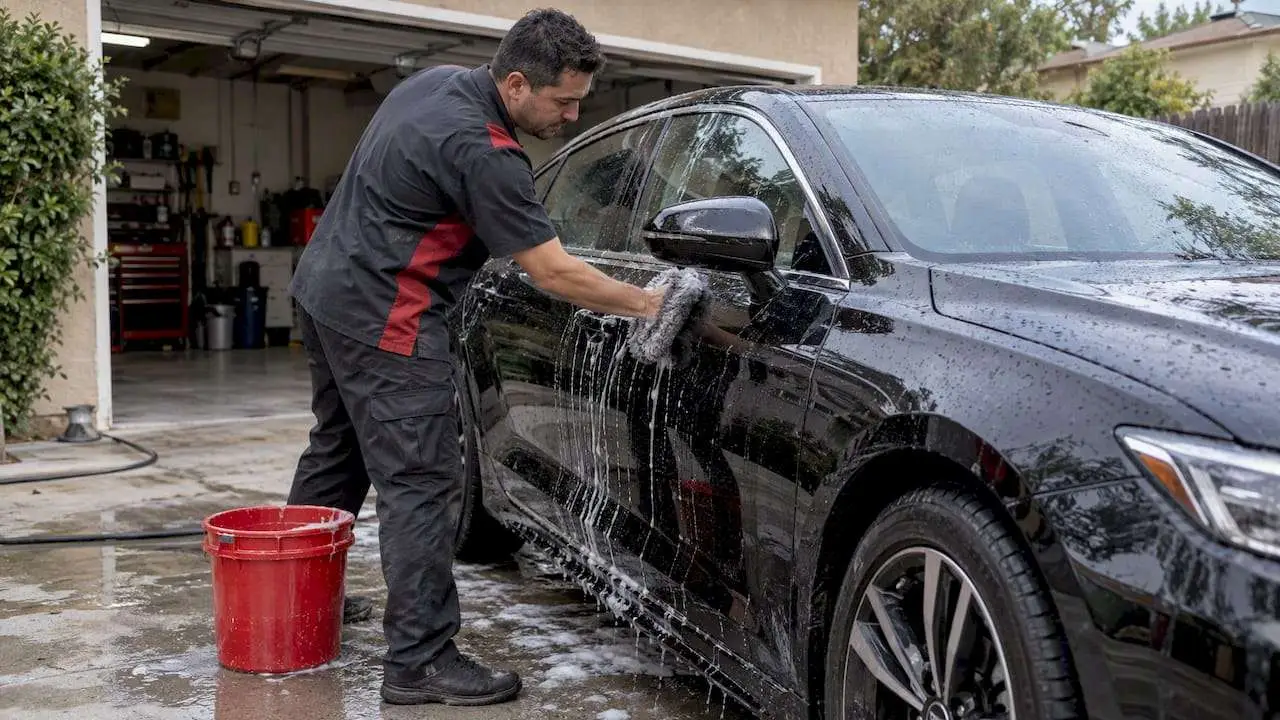
Stick to the two-bucket method with a pH-neutral car shampoo and a clean microfiber wash mitt. Skip automatic car washes with spinning brushes. They grind grit into the film surface and wear down the topcoat faster than sun exposure ever will. Solvent-based cleaners and anything with high alcohol content can also strip the protective layer over time, so read labels before spraying anything on the film.
A few habits go a long way:
- Rinse off bird droppings, bug splatter, and tree sap within a day or two. These are acidic and will etch or stain film if left to bake in the sun.
- Keep pressure washers at least a foot away from film edges. Direct high-pressure streams at close range can force water under the perimeter and start lifting it.
- Hand dry with a clean microfiber towel instead of letting water spots set.
- Inspect the film every 3 to 6 months, focusing on high-impact zones like the front bumper and hood edge.
Adding a ceramic topcoat over PPF is worth considering if you want extra protection. Professional installers report it can extend effective film lifespan by roughly 2 to 3 years by improving hydrophobicity and adding another layer of UV resistance, based on findings from Obsidian Auto. The tradeoff is cost and the need for periodic reapplication, since the ceramic layer itself wears faster than the film underneath it.
Pro Tip: Keep a phone folder of quarterly photos of your PPF, taken in the same lighting each time. It makes spotting gradual yellowing or edge lift far easier than relying on memory.
What Does a PPF Warranty Actually Cover?
Warranties are narrower than most owners assume, and reading the fine print now saves an argument later.
Manufacturer warranties typically cover defects in the film itself, like premature yellowing, cracking, or delamination that happens without any external cause. They do not cover cosmetic wear from daily driving, rock chip penetration, or chemical staining, because PPF Pros’ own warranty guidance makes clear that kind of damage is the film doing exactly what it was designed to do: taking the hit so your paint doesn’t.
Installer warranties are separate and cover workmanship, things like edge lift caused by a bad application or contamination trapped during install. A few practical steps matter here:
- Keep your install invoice and any paperwork the shop gave you at the time of service.
- Photograph any suspected defect as soon as you notice it, with a date stamp if possible.
- Contact the installer or manufacturer before the issue spreads to additional panels.
Film that’s past its warranty window is often still protecting your paint. Cosmetic aging doesn’t mean the film has stopped doing its job, it just means it’s not going to look brand new anymore.
How Do Installers Decide Repair vs. Replace?
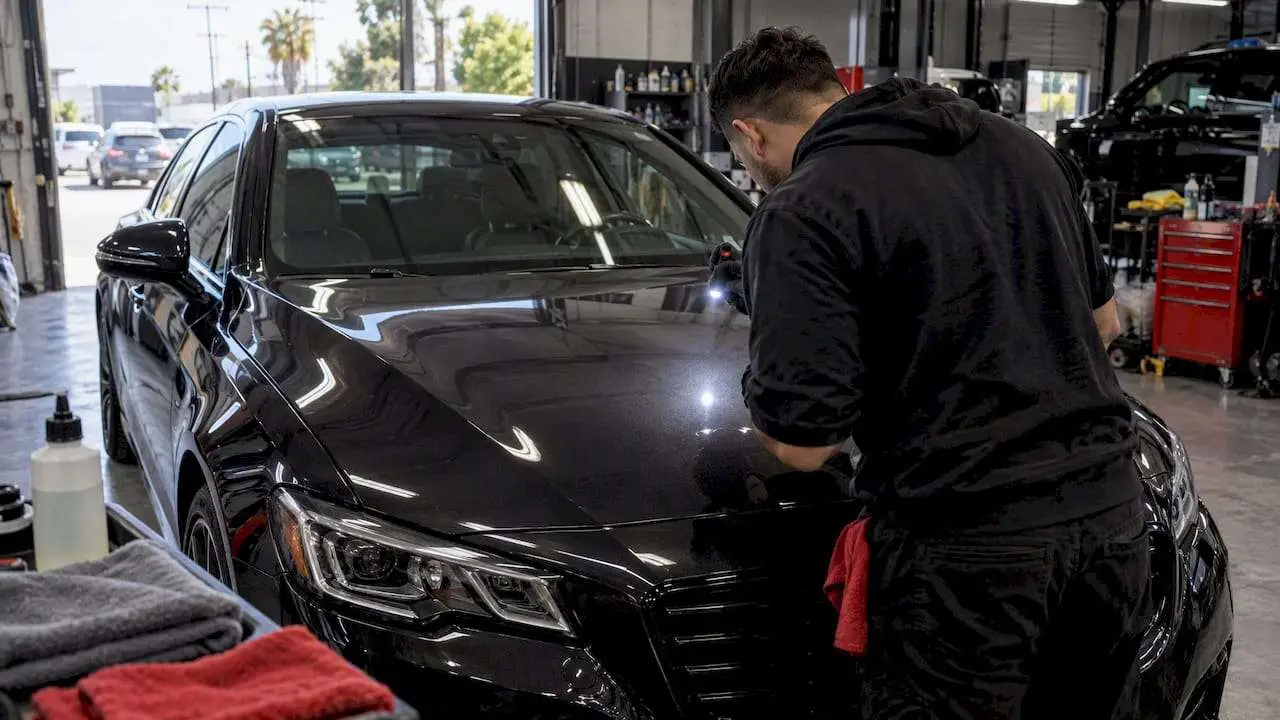
PPF Pros is an XPEL authorized installer in North Hollywood with a 4.9-star customer rating, and the shop’s evaluation process looks at more than surface appearance. Technicians check edge adhesion, look for adhesive residue left behind from prior repairs, test gloss uniformity across panels, and run a self-heal test on the most exposed sections.
The general rule of thumb: if damage is isolated to one or two panels with the rest of the film intact, a spot repair makes sense. If yellowing, cracking, or adhesion failure spans multiple panels, a full or partial rewrap is usually the more cost-effective call. Bring photos of the affected areas, your install date, and any warranty paperwork to get the most accurate assessment.
Which Lifespan Guidance Fits Your Situation?
Daily commuters logging highway miles should expect front-end wear serious enough to warrant a panel repair somewhere around year 5 to 7, with full replacement planning by year 7 or 8. Garage-kept weekend cars are a different story entirely. Premium film on a low-mileage car can realistically stretch past 10 years with a check-in every 3 to 4 years rather than constant monitoring.
Coastal and winter-salt drivers sit at the other end. Plan for earlier replacement and watch edge lift and staining closely, since salt exposure stresses adhesive bonds faster than almost anything else on this list.
— Jake
Ready to Get Your PPF Inspected?
If your film is showing yellowing, edge lift, or you’re just not sure how many years it has left, a hands-on inspection beats guessing every time. A reputable shop offering XPEL authorized evaluations inspects edge adhesion, gloss uniformity, and self-heal performance panel by panel, then advises whether a spot repair or a full rewrap is needed.
Bring photos of any problem areas, your original install date, and warranty paperwork if you have it, and the shop can usually give you a same-day quote. Options range from a Partial Front or Full Front repair to a complete Full Vehicle rewrap, and many owners pair a fresh install with a ceramic coating add-on to stretch the next round of protection further. A Full Front package runs $2,199, and Full Vehicle coverage starts at $4,500. Reach out through the site to book an inspection and get a straight answer on what your film needs next.
Sources
This guide draws on manufacturer data sheets, installer technical write-ups, and PPF Pros’ own warranty documentation for lifespan and coverage guidance.
- How Long Does Paint Protection Film Last? | Atlanta Tint Lab
- How Long Does PPF Last? Lifespan & Factors | The Detailing Gang
FAQ
How Often Do You Need to Replace PPF?
Most owners replace PPF somewhere between 3 and 10 years depending on film quality, with premium self-healing film often reaching 7 to 10 years under good care. Replacement timing depends more on visible condition, yellowing, edge lift, or cracking, than on a fixed calendar date.
What Are the Negatives of PPF?
PPF requires more careful washing than bare paint, since spinning brushes and harsh solvents can degrade the topcoat faster than normal wear. It also isn’t invisible up close, and poor installation can leave visible seams or trapped contamination that shorten its useful life, an issue The Detailing Gang points to as the biggest variable in real-world durability.
What Happens to PPF After 10 Years?
Film left on past the 10 year mark, especially economy or mid-range products, typically shows yellowing, reduced clarity, and a loss of self-healing ability. The film can still be providing some physical protection against rock chips, but its warranty coverage has almost certainly expired and cosmetic appearance usually calls for a rewrap.
Can PPF Last 20 Years?
It’s uncommon, but not impossible under near-ideal conditions: a garage-kept car, premium TPU film, minimal UV exposure, and a strict maintenance routine. Most manufacturer performance guarantees only extend to about 10 years, so anything beyond that is outperforming its rated lifespan rather than meeting an expected standard.