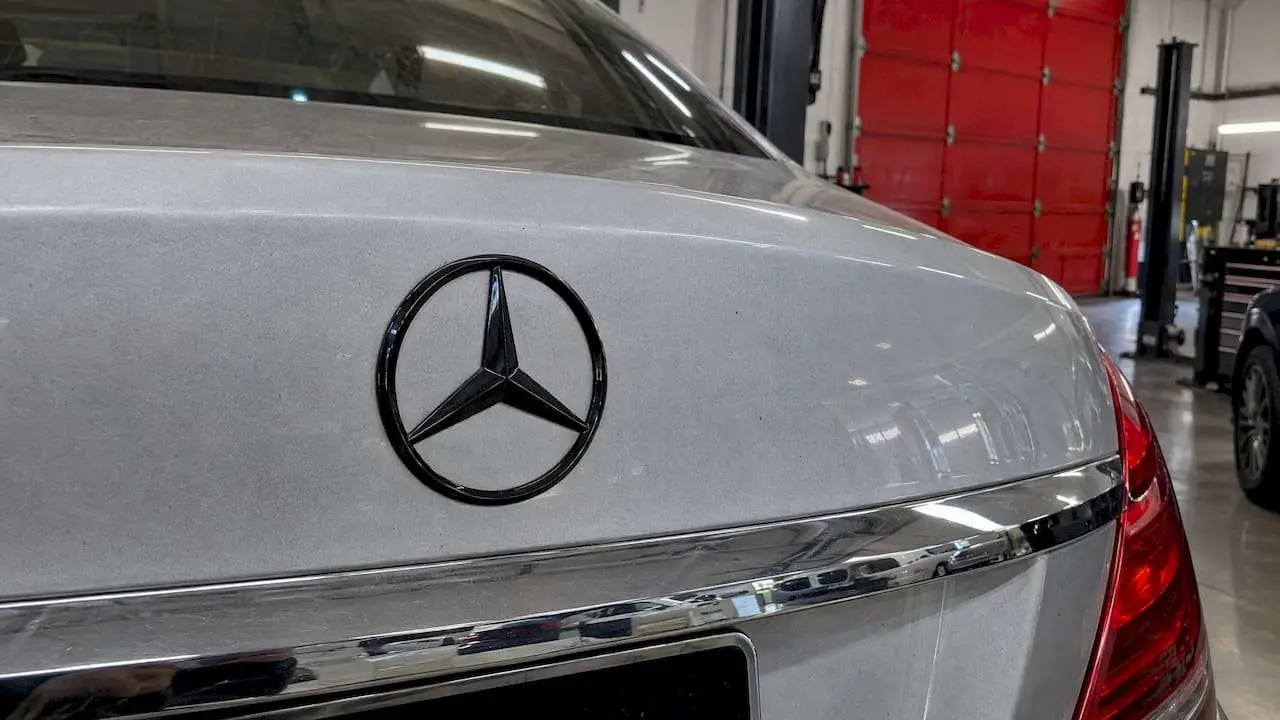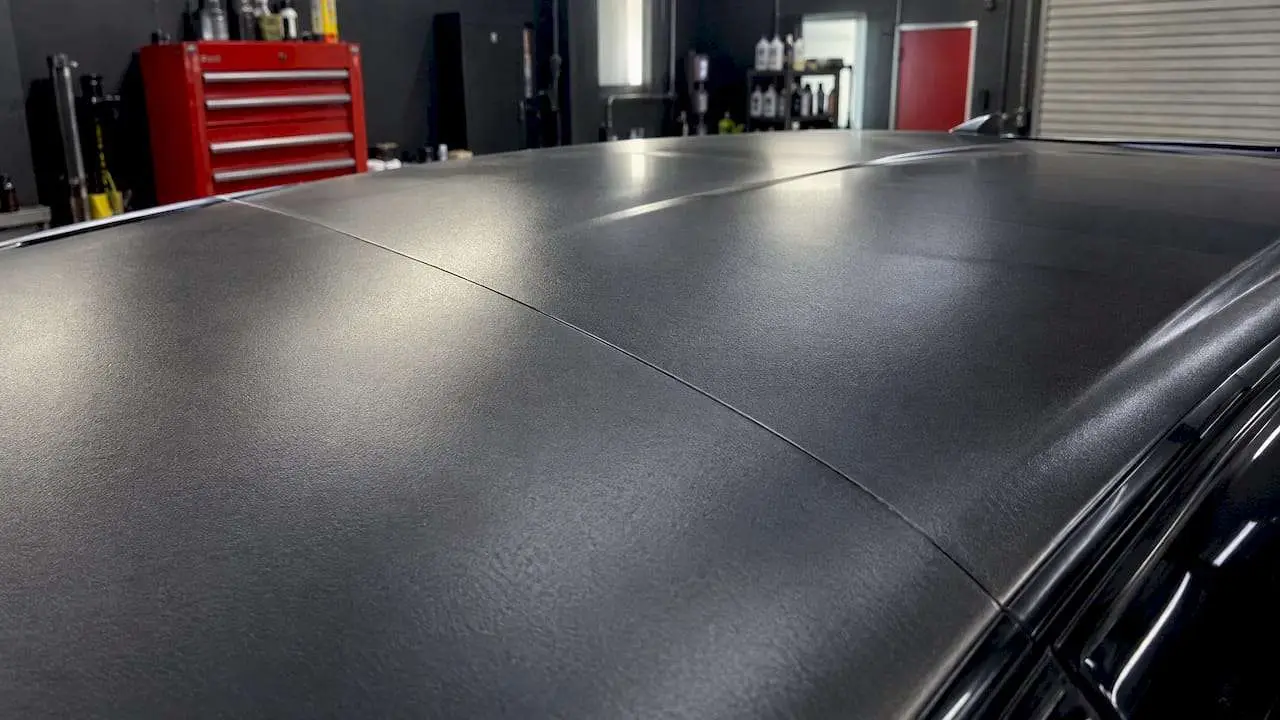

PPF orange peel is usually the film magnifying texture that was already in your factory clearcoat, not texture the film created. 3M’s own guidance says high-gloss films magnify existing paint defects. Check the panel under raking light and compare it to an unwrapped panel. If the texture looks heavy, or you see debris or adhesive marks, ask your installer to inspect it.
TL;DR:
- Compare wrapped and uncovered panels under angled light; matching dimples point to factory paint, while raised dots, cloudy pockets, or lifted edges suggest installation issues.
- Choose satin or matte film only if you accept its altered look; ceramic top coats reduce water spotting but do not hide deep texture.
- Minor haze or cloudy pockets may clear during the days after installation as adhesive cures, but trapped debris and lifted edges will not resolve on their own.
- Before high gloss installation, ask for inspection and a test spot; heavy texture may need paint correction, which removes clearcoat and belongs in a shop.
- If installed film leaves texture unacceptable, have a shop remove it, correct the paint, and reinstall rather than trying to level the surface through film.
Table of Contents
- 1. What orange peel means on paint and under PPF
- 2. Why PPF can make orange peel more visible
- 3. How film finishes change what you see
- 4. Installation and environment factors that affect texture
- 5. How to tell normal orange peel from an installation defect
- 6. Options to reduce or fix visible orange peel
- 7. Care steps that keep the finish looking its best
- 8. A realistic view of protection versus a perfect mirror finish
- 9. How we handle inspection, correction, and finish choice
- FAQ
- Sources
1. What orange peel means on paint and under PPF
Orange peel is the dimpled, bumpy texture you can see in a clearcoat, named for its resemblance to citrus skin. PPG describes it as an uneven texture in the coating, and the usual causes at the factory are uneven clear application and flash times that were too short or too long between coats.
PPF is a uniform, transparent layer. It follows the surface underneath it, so it can reveal or magnify texture that was already there rather than create new texture.
Owners tend to notice it in a few situations:
- Dark paint colors, where reflections are crisp and nothing hides the surface
- Raking light, such as low morning or evening sun across a hood
- LED strips and garage lighting that stretch into long reflections
- Side-by-side comparison with a panel that was repainted or never covered
If the dimpling is also on your bumper cover or an uncovered fender, that is a strong sign it came from the factory.
2. Why PPF can make orange peel more visible
3M’s installation FAQ states the point plainly: the film does not create orange peel, but high-gloss films can magnify paint defects, including heavy orange peel, and the company recommends professional paint correction before installation when it is present.
The takeaway: 3M states that high-gloss film magnifies existing paint defects, and it recommends correcting heavy orange peel before the film goes on. The film is a lens, so the paint underneath needs to be in the shape you want to see.
The optics explain why. Bare clearcoat scatters a little light at its microscopic edges, and a thin layer of dust or wax can soften that further. A clear, glossy film sits on top and leaves a smoother, more uniform specular reflection. The reflection of a straight line, like a roofline or a light bar, then bends visibly across every ridge and dip in the paint below.
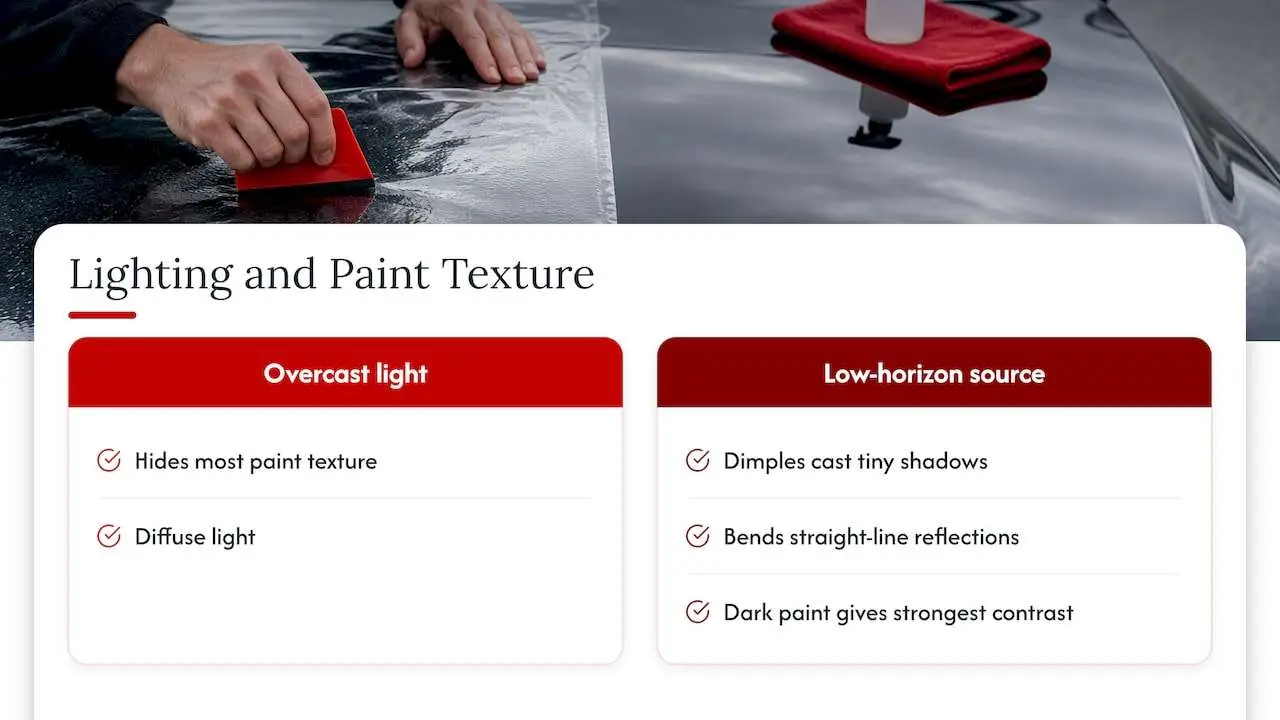
Lighting does the rest. A flat overcast sky hides almost everything. A single point source low on the horizon makes each bump cast a tiny shadow and bend the reflection, and dark colors give you the strongest contrast. That is why a car can look fine in the shop under diffuse light and show texture in your driveway at sunset.
Responsibility follows from this. A shop can tell you before the install how your paint will read under film and whether correction is worth doing. Film itself is not the cause of the dimpling.
3. How film finishes change what you see
Finish choice is the biggest lever you control after the paint itself.
- High-gloss film: The most faithful to the paint underneath, which also means it shows texture the most. If you want a mirror look and your paint is smooth, this is the usual pick.
- Satin or matte (stealth) films: These scatter reflections, so the eye has fewer crisp lines to bend. Texture is much less noticeable, but the car looks different, and color can read flatter or deeper depending on the shade.
- Hydrophobic top coats: These change how water beads and how light reads the surface slightly, and they cut down on water spotting. They do not remove or hide deep orange peel.
Matte and stealth finishes are a styling decision first. Choosing one only to hide texture means accepting the trade-off in how the car looks overall. If you are undecided, ask your installer to lay a sample of each over a test panel and look at it in daylight, not just under shop lights.
A top coat or ceramic layer over the film can brighten the shine, but it follows the same surface contour as the film beneath it.
4. Installation and environment factors that affect texture
Installation does not create orange peel, but it can leave marks that look like it. A few installer-controlled variables matter most.
- Preparation: 3M advises applying film to a like-new finish, so washing, decontamination, and correcting defects come first.
- Slip and tack solutions: The 3M installer guide gives a baseline of 2 ml of slip agent per 32 oz of water, plus guidance on installation gel and tack ratios. Mixing it wrong can leave hazy patches or slow adhesion.
- Trapped debris and moisture: Grit under the film shows up as small raised dots. Leftover solution can leave cloudy pockets that clear as the adhesive cures.
- Temperature and airflow: A dusty or cold bay changes how fast the adhesive grabs and how many particles settle on the panel.
A thorough inspection and decontamination wash before install catches contamination that would otherwise be sealed under the film. Our walkthrough of the PPF installation process also shows when adhesive settling is normal.
Pro Tip: Ask your installer to show you the panel under their inspection light before the film goes on, so you both agree on the starting point.
5. How to tell normal orange peel from an installation defect
Run through this checklist before you call the shop:
- Compare a wrapped panel with a nearby unwrapped panel or a painted bumper. If both show the same dimpling, it is the paint.
- Look at the panel under raking light from several angles, not just straight on.
- Look for small raised dots (trapped debris), cloudy patches (moisture or solution), or lines at edges that look like drying marks.
- Photograph the area from three angles in the same lighting, with a wide shot showing the whole panel.
- Note the date of the install and how long ago you washed the car.
Timing matters. Cloudy pockets and minor haze in the first days after install often clear as the adhesive cures, so a small mark immediately after the job is not necessarily a defect. Debris dots and lifted edges do not clear on their own. When you contact the shop, send consistent photos, describe the lighting, and include the unwrapped-panel comparison.
6. Options to reduce or fix visible orange peel
Realistic fixes depend on whether the film is already on or still to come.
- Correct the paint before installing: 3M recommends professional paint correction before high-gloss film when heavy orange peel is present. Read our guide to paint correction before PPF for what shops fix and what to ask.
- Machine polishing and wet sanding: These level the clearcoat surface, and PPG notes that polishing or compounding can reduce orange peel in coatings. Because they remove clearcoat, they are shop jobs, not DIY work, and they are not done on top of film.
- Switch finishes: A satin or stealth film masks texture better than gloss, at the cost of a different look.
- Accept it: Many owners decide that mild magnified texture is a fair trade for rock-chip protection.
If the film is already installed and the texture bothers you, the cleanest route is usually removal, correction, and reinstall rather than trying to fix it in place.
7. Care steps that keep the finish looking its best
Maintenance will not level the clearcoat, but it keeps the surface looking clean and sharp.
- Wash regularly with a pH-neutral, PPF-safe cleaner and a soft mitt.
- Avoid abrasive pads and solvent cleaners that can dull or damage the film.
- Decontaminate when the surface feels rough after washing, because bonded grit makes any texture look worse.
- Consider a ceramic or hydrophobic top coat to cut water spotting. Our notes on ceramic coating on PPF cover when it helps and when it will not change texture.
- Bring the car back to the shop for raised dots, lifted edges, or haze that persists, rather than picking at it.
Pro Tip: Wash in shade and dry with a clean microfiber towel, since water spots baked on in sun are the quickest way to make a smooth finish look rough.
8. A realistic view of protection versus a perfect mirror finish
In my view, protection and a flawless mirror finish can pull against each other, and owners are better served when that trade-off is said out loud before the job. Ask for a pre-install inspection and a test spot, and photograph any concern in consistent light to show your installer. Most people I would advise accept the trade for long-term protection, and a good shop can tell you whether correction is worth the cost.
— Jake
9. How we handle inspection, correction, and finish choice
We start with an inspection and, when your paint calls for it, correction before the film goes on, so magnified orange peel is dealt with at the source. We can lay a test spot so you see the finish before committing. Our options for this work include:
Book an inspection through our paint protection film page and ask for a test spot.
FAQ
Does PPF cover or hide orange peel?
No. PPF does not fill or level the paint, and a high-gloss film can make existing orange peel more noticeable. A satin or matte finish masks it better, and correcting the paint before installation is the more direct route.
How do I fix orange peel on a car clearcoat?
Machine polishing, compounding, or wet sanding by a professional can level the surface, and PPG notes that polishing reduces orange peel. These steps remove clearcoat, so they are best left to a shop, and they are done before film is applied.
Does an XPEL film have orange peel?
The film itself is not the source of the dimpling. As with any high-gloss film, it follows your paint, so existing orange peel can show through. Ask your installer for a test spot so you can judge it on your own car.
Can PPF be peeled off if I don’t like the look?
Yes, PPF is designed to be removable by a shop. If you decide to correct the paint underneath, removing the film first and reinstalling after correction is the cleanest approach.