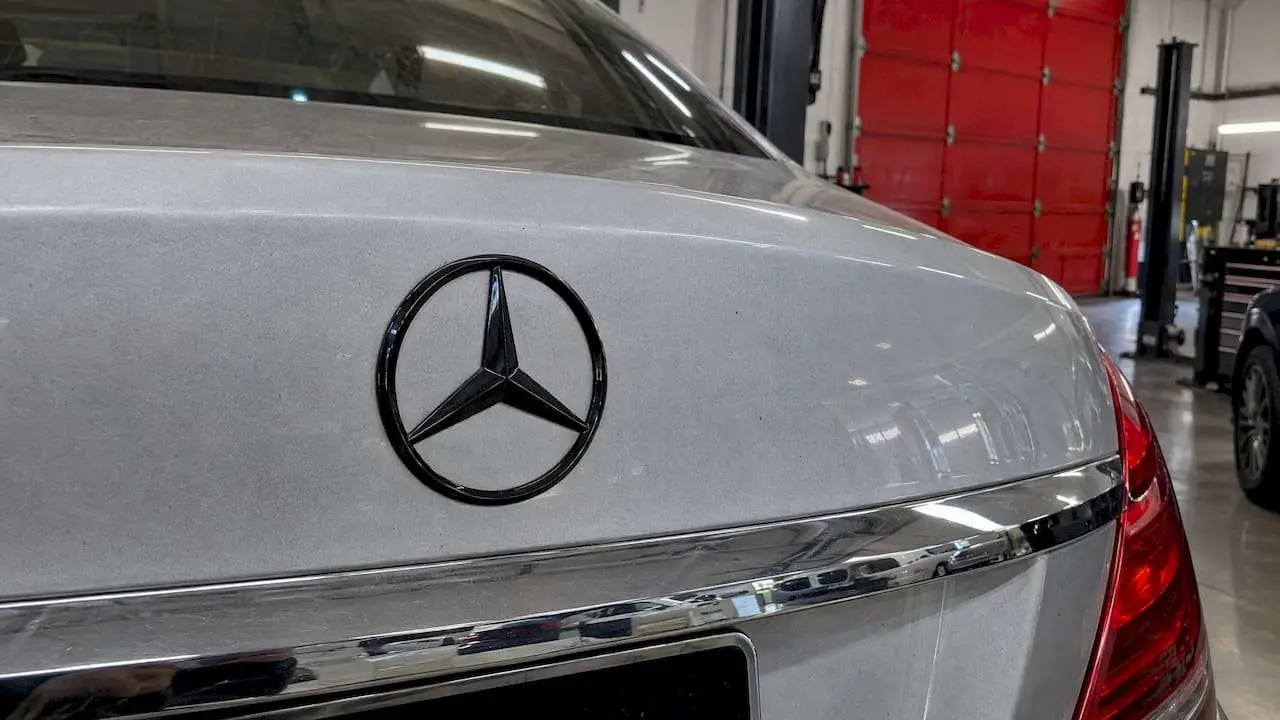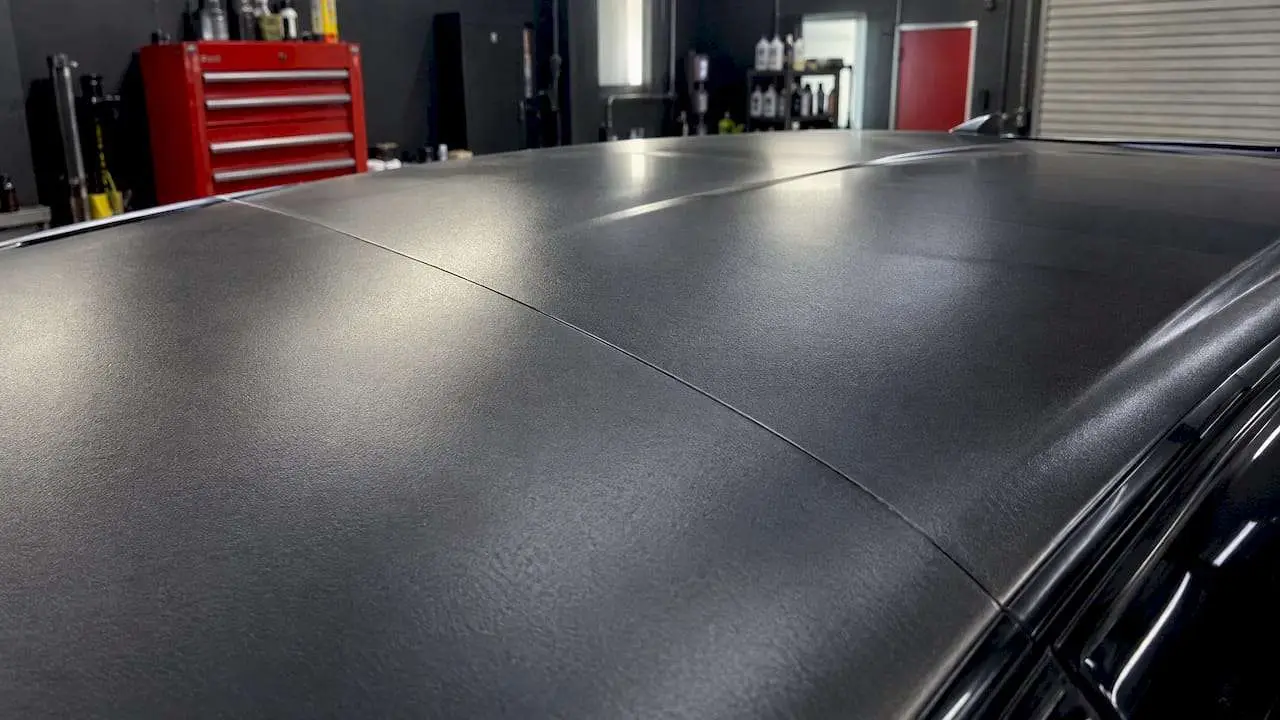
The main vinyl wrap finishes are gloss, satin, matte, metallic and pearl, chrome, and textured films such as carbon fiber and brushed metal. Gloss looks closest to fresh paint. Satin sits in the middle, with a soft sheen. Matte is flat and shows the least shine. Chrome is a mirror and the most delicate. Which one is right depends on the look you want and how much care you will give it. This guide covers how each finish looks on a car, how it behaves day to day, and how to choose.
TL;DR
- Gloss is the closest match to new paint and the easiest finish to live with. It also shows fingerprints and fine swirls most readily.
- Satin is a soft-sheen compromise. It hides much of the dust and smudging that gloss shows while keeping a rich color.
- Matte is flat and modern, but it needs its own cleaning method. Wax and polish are not for it.
- Chrome and specialty films look dramatic but demand hand washing, careful installation and realistic expectations.
- Always view a physical sample on your own car in sun, shade and at night before you commit.
Table of Contents
- What a wrap finish actually is
- Gloss: the paint-like finish
- Satin: the best of both
- Matte: flat, modern and demanding in a different way
- Metallic and pearl: depth from flakes
- Chrome: the delicate showpiece
- Textured finishes: carbon fiber, brushed metal and more
- How finish affects care and lifespan
- How to choose your finish
- Wrap or paint?
- Perspective: what we tell owners in the shop
- Book a wrap in Los Angeles
- FAQ
- Sources
What a wrap finish actually is
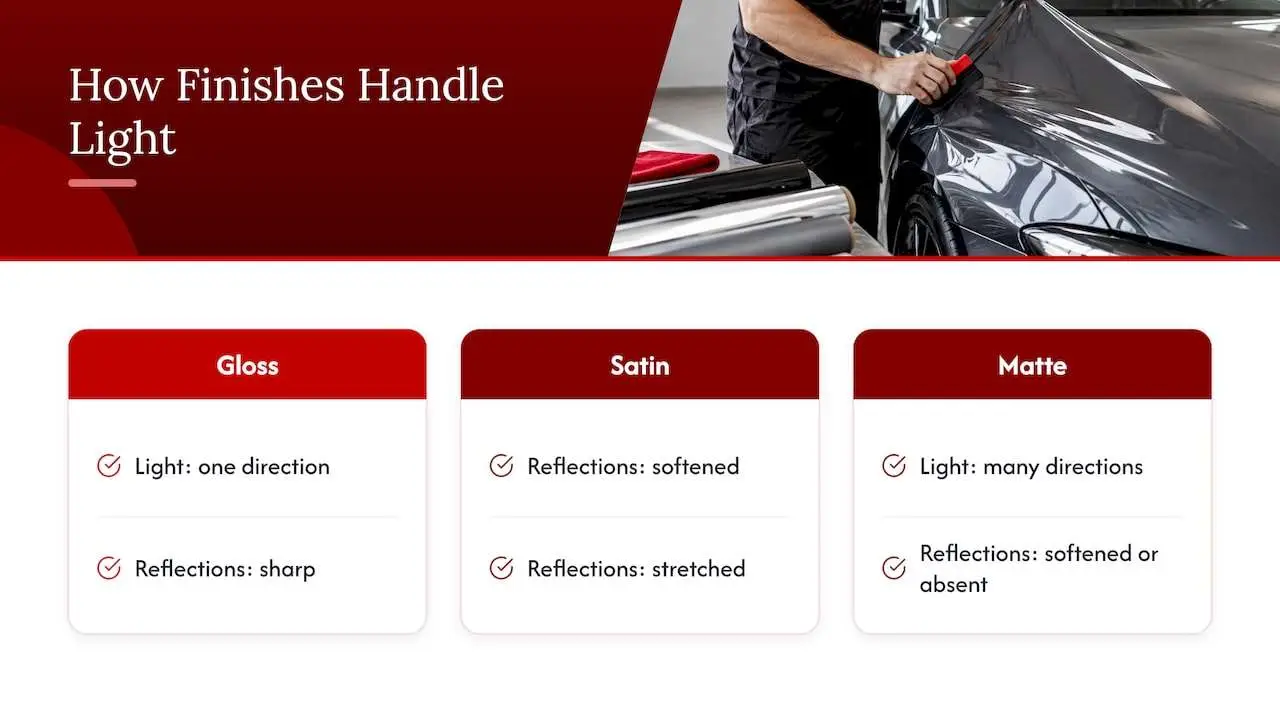
A vinyl wrap is a thin film with a colored layer and a surface texture. The finish is how that top surface handles light. A smooth, glossy surface reflects light in one direction, so you see sharp reflections. A slightly roughened surface scatters light in many directions, which softens or removes the reflections. That is the whole difference between gloss, satin and matte.
Specialty finishes go further. Metallic and pearl films carry flakes that sparkle in sunlight. Textured films emboss a pattern into the surface. Color-shifting films change hue with the viewing angle. Major film makers sell most of these. For example, one manufacturer’s 2080 wrap film line comes in gloss, high gloss, satin, matte, iridescent, metallic, pearl and textured finishes, including carbon fiber and brushed options.
Gloss: the paint-like finish
Gloss is the default choice for a color change. It is closest to new paint and the easiest to look after, which is why it suits a factory-fresh look in a new color. Retail film sellers describe gloss as bright and distinctive, and one lists eight-year outdoor durability for its gloss films. Treat that as a rated figure under typical conditions, not a promise. Real life in Los Angeles sun, freeway grit and street parking will shorten or lengthen it.
Where gloss shines: Deep colors, daily drivers and anyone who wants the wrap to be mistaken for a repaint.
Where it is harder: Dark gloss colors, black in particular, show fingerprints, dust and wash marks the way dark paint does. Fine swirls from careless washing are more visible under direct sun.
Gloss has one real maintenance advantage. Installer guidance for one popular film line lists car wax among recommended products for smooth and gloss films, which is not true of matte. If you like the ritual of waxing a car, gloss lets you keep it.
Satin: the best of both
Satin has a medium shine. It reflects some light, but the reflections are soft and stretched out instead of sharp. Body lines read clearly, because the sheen rolls across curves and highlights them, yet the surface does not look mirror-glossy.
Most owners who ask us to settle “matte or gloss” end up choosing satin. It looks expensive and a little unusual without being as stark as matte. Many satin and matte films are rated for around seven years of outdoor life by at least one seller, a shade below gloss.
We have written a direct comparison of gloss versus satin wraps that looks at shine against visible swirls, which is the trade-off most people feel when they stand next to a car in the sun.
Satin also includes some of the most popular color-shifting films. A color-swap series such as ColorFlow from Avery Dennison pairs its color change with a satin finish. If you are considering a flip or chameleon look, our color change wrap checklist walks through what to confirm before you order.
Matte: flat, modern and demanding in a different way
Matte has the least shine and a flat appearance. It gives a new look without the shininess of other finishes. On a Tesla or a sports car, matte gray, matte black and matte army green tend to look aggressive and clean at once.
Matte versus gloss in the real world
The two finishes fail in different ways, which is what most owners need to know.
| Gloss | Matte | |
|---|---|---|
| Look | Sharp reflections, like paint | Flat, no reflections |
| Fingerprints and oils | Visible, especially on dark colors | Show as shiny patches that need removing correctly |
| Fine swirls | Visible in direct sun | Largely hidden, but you cannot polish them out |
| Waxing | Allowed on smooth and gloss films | Not suited to matte films |
| Best for | Factory-fresh color change | Stealth, modern look |
The row on fingerprints needs explanation. Gloss shows oily marks as smudges on a reflective surface. Matte films hide light dust but pick up oils that leave shiny spots. For fingerprints on matte films, one film maker advises wiping with a clean lint-free towel soaked in 70% isopropyl alcohol and 30% water, then drying the surface.
The other matte rule: do not polish or rub hard to fix a shiny spot. You flatten the texture, and a matte surface cannot be re-textured. Anything that adds gloss, including wax and many quick detailers, is the wrong product.
Metallic and pearl: depth from flakes
Metallic films contain fine metal flakes that catch light. Pearl films use a different particle that shifts between tones. Both come in gloss and satin bases, so “metallic” describes the color effect and not the surface sheen.
These finishes are forgiving. The flake pattern hides dust and tiny defects better than a flat solid color does, and a metallic gray or deep blue photographs well. They are an excellent choice for a daily driver where you want a color change but not a constant polishing habit. A good installer will also check that panels are wrapped in the same direction, since flake alignment can look different from panel to panel on poorly planned jobs.
Chrome: the delicate showpiece
Chrome has a mirror-like shine and is the most delicate finish, and hand washing is recommended. The film itself is technical. One manufacturer’s data on a gloss silver chrome film warns that the mirror finish can become cloudy if it is overheated or overstretched. In plain terms, chrome leaves almost no room for installer error. Heat and stretching are what installers use to make film follow curves, so chrome is best on flatter panels or in small doses.

A full chrome car draws attention and costs more to install and to keep looking right. Many owners get the effect they want from accents: mirror caps, a roof, a spoiler or trim. If what you really want is blacked-out trim in place of factory chrome, that is a different job, and our guide to chrome delete wrap options compares DIY, professional and paint routes.
Textured finishes: carbon fiber, brushed metal and more
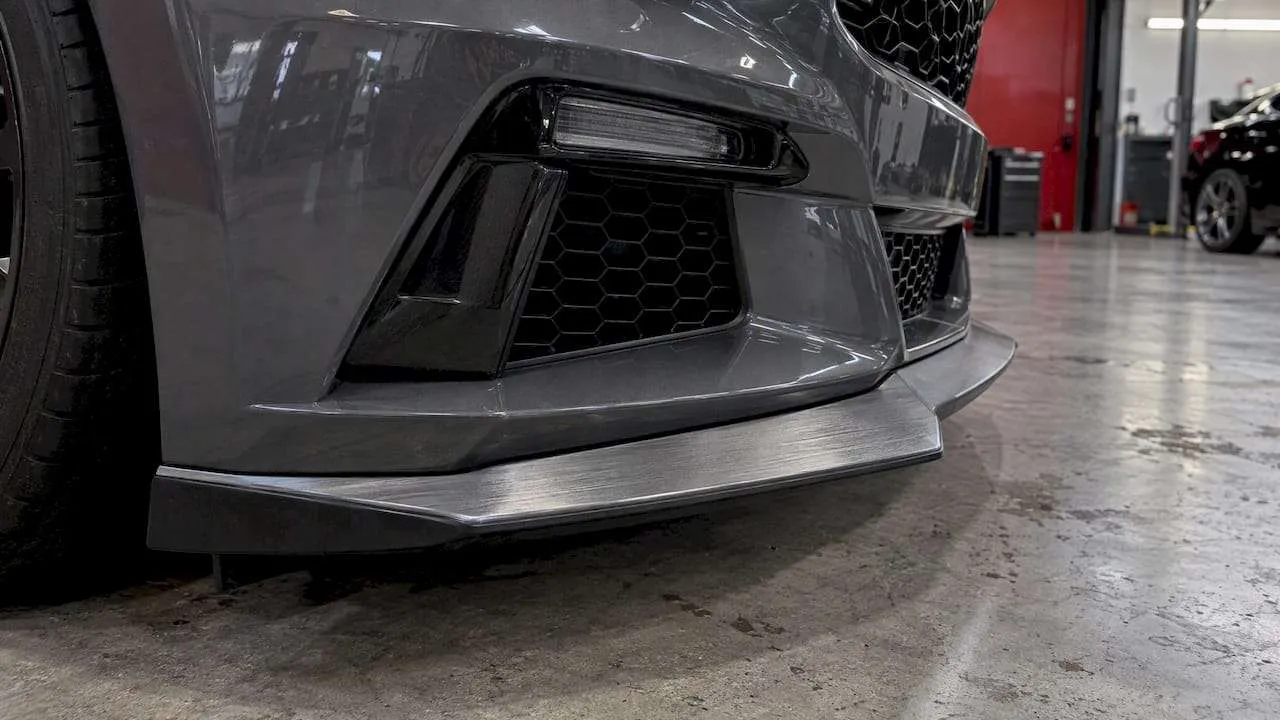
Textured films carry a physical pattern. Carbon fiber, brushed metal and rugged grain are the most common. Avery Dennison’s SW900 line includes Carbon Fiber, Brushed Metallic and Rugged textures.
Textures work best as accents: a hood, roof, mirror caps, interior trim or a lower splitter. They are rarely used for whole cars because the pattern can look busy at full scale and the film is stiffer around deep recesses. They do hide fingerprints well, because the pattern breaks up reflections.
How finish affects care and lifespan
The finish changes the cleaning method more than the cleaning schedule. Across all finishes, the same habits apply, and the film maker’s own maintenance guide names them:
- Hand wash when possible, and avoid brush-style car washes. Hand washing, prompt cleaning of contaminants and avoiding brush washes all help prevent damage.
- Wipe fuel spills off immediately.
- Park in a garage or shade when you can. Covered storage protects film from heat and UV exposure, and in LA sun that matters.
One detail favors smooth finishes. According to the same FAQ, most mild surface scratches on that film line can disappear in sunlight on warm days or with heat, while deeper scratches mean replacing the panel’s film. That is a useful reminder that a wrap is replaceable by panel, unlike paint.
For day-to-day washing, our own vinyl wrap maintenance guide explains the waiting period after installation before the first wash. If you own a BMW, there is a BMW-specific wash guide too.
Ceramic coating can add easier cleaning, but not on every film. Before you coat a wrap, read why you should check the technical data sheet first, because a wrong product can put your warranty at risk.
How to choose your finish
Use these questions in order.
- What do you want people to notice? If it is the color, choose gloss or satin. If it is the stance and lines, choose satin or matte. If it is attention at any cost, choose chrome or color-shift.
- How will you wash the car? If you hand wash and like detailing, any finish works. If you use quick drive-through washes, gloss or metallic is the most forgiving, and you should switch to hand washing for matte and chrome.
- What color is it? Dark colors show marks more in gloss. Light colors in satin are among the easiest to live with.
- Where is it parked? Outdoor parking in strong sun shortens the life of any film. Think about shade and covers.
- Is it a whole car or an accent? Chrome and textures often make more sense as accents.
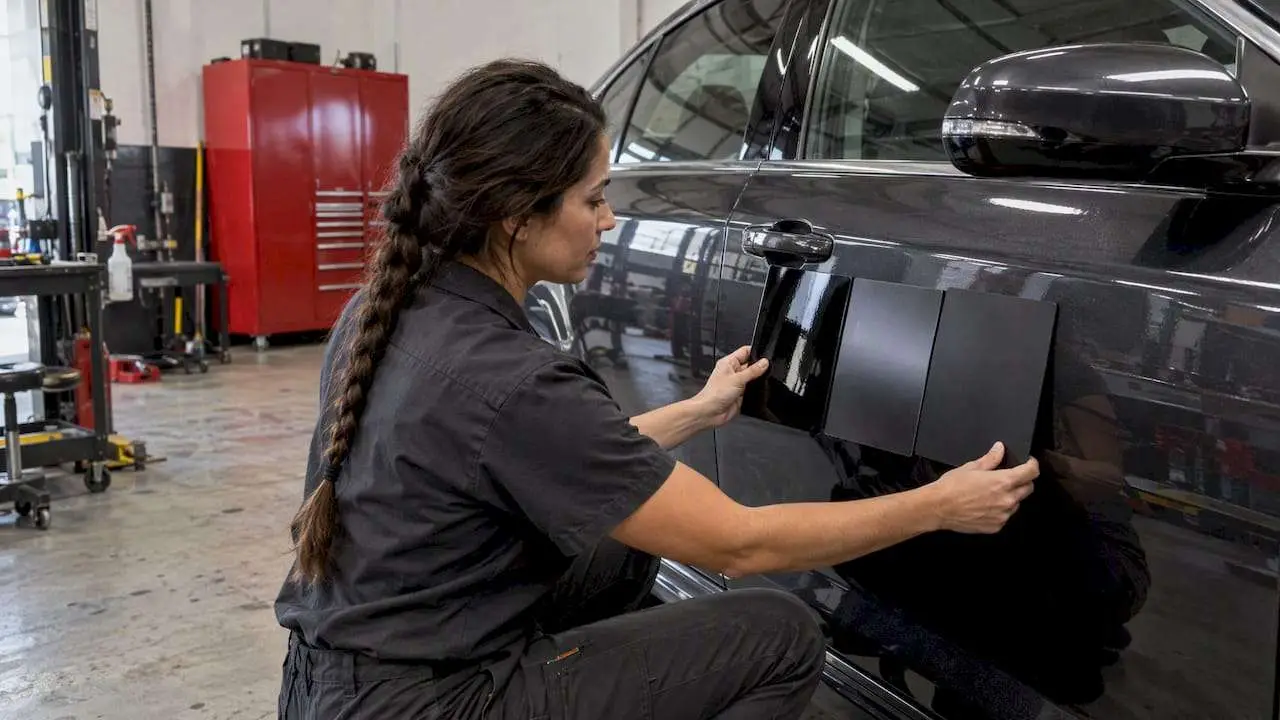
Then test before you buy. Pick a finish by its look and the care time you can give it, order a small sample (around 25 cm) and put it on the car, then see it in sun, in shade and at night. Another guide suggests holding samples against the paint, wheels, trim and panels of your own vehicle. A color that looks perfect on a small swatch indoors can look completely different on a large hood outdoors.
Our wrap options and color consultation page is a good starting point if you want to see what we can install. We also install the Inozetek super gloss line for owners who want depth beyond standard gloss.
Wrap or paint?
Finish is one of the main reasons people compare a wrap with a repaint. A wrap gives you matte, satin, chrome or textured results that are hard or very costly to get in paint, and it can be removed later. Paint is permanent and best when the original surface is failing. If you are weighing the two, we put the decision into a vinyl wrap versus paint guide. And when it is time to go back to stock, our wrap removal cost page lays out what to expect.
Perspective: what we tell owners in the shop
We install wraps and paint protection film every week in North Hollywood, so the same finish questions come up repeatedly. Our advice is simple.
Most people pick a finish from a photo and regret it for one reason: the photo was lit by a studio. Cars live in parking garages, under street lights and in direct sun, and a finish changes its personality in each. That is why we put samples on the car first.
If you want one safe recommendation, satin in a mid-tone color is the finish that gives most owners the highest happiness with the lowest fuss. If you want a paint-like result, go gloss and accept that you will wash it by hand. If you want matte, accept the special cleaning rules. And if you want chrome, keep it to accents unless you really love the upkeep.
The film matters, but the installation matters just as much. Clean alignment, wrapped edges and careful heat control decide whether a wrap lasts or lifts, and that is where we spend our time.
— Jake
Book a wrap in Los Angeles
Our full color change wrap starts from $2,800, and we also offer ceramic coating, chrome delete and paint protection film for owners who want protection with their new look. You can see the details on our vinyl wraps page, then bring your car in so we can hold real samples against it.
If you want protection under or alongside your wrap, see our paint protection film services, or contact us on our home page for a quote. We reply the same day.
FAQ
Is matte or gloss wrap better?
Neither is better in general. Gloss looks closest to paint and allows waxing, but shows fingerprints and swirls more. Matte hides swirls and looks modern, but needs the correct cleaning method and cannot be polished. Satin is the usual middle choice.
Which vinyl wrap finish is easiest to maintain?
Gloss is generally described as the easiest to look after, and satin is a close second. Chrome is the most delicate, and film makers recommend hand washing it. All finishes last longer with hand washing and shade parking.
How long do different vinyl wrap finishes last?
Sellers rate gloss films at around eight years outdoors and many satin and matte films at around seven, and one brand rates its films for three years. Actual life depends on sun exposure, washing habits and installation quality, so ask your installer for the specific film’s rating.
Can I put ceramic coating on a matte wrap?
Only with a product the film maker and coating maker both approve for that surface. Gloss-enhancing coatings can change a matte look. Read the technical data sheet and ask your installer before you coat.
Should I order a sample before choosing a finish?
Yes. A sample of about 25 cm placed on the car and checked in sun, shade and at night tells you more than any photo. It is the cheapest way to avoid a color you will not like on the whole car.
Sources
- 3M Wrap Film Series 2080, product page
- 3M Wrap Film Series 2080 maintenance FAQs
- 3M 2080-GC451 gloss silver chrome product bulletin
- Avery Dennison ColorFlow Series data sheet
- Avery Dennison SW900 Supreme Wrapping Film data sheet
- How to choose a car wrap colour and finish
- Vinyl wrap finishes guide
- Gloss vs matte vs satin vinyl wrap guide