A professional full vinyl wrap on a Tesla typically runs in the range of a few thousand dollars, while clear paint protection film costs more, often significantly higher for full coverage. Colored PPF, which blends a finish change with heavy protection, sits at the top of that range. The exact number depends on your model, the film brand, and how much of the car you cover, and the model-by-model breakdown below fills in the specifics.
TL;DR:
- Painted protection films, especially colored PPF, can reach prices over $7,000 and provide both aesthetic changes and impact resistance.
- Regional labor rates, paint correction needs, and the material brand mainly influence the final price of a Tesla wrap or film.
- DIY wrapping is cheaper upfront but often results in imperfections that require costly rework by professionals, who include warranties and precise fitting.
- For leased Teslas, it is crucial to get written permission and understand removal policies to avoid unexpected charges at lease end.
Table of Contents
- How Much Does a Tesla Wrap Cost by Model?
- Vinyl vs. Clear PPF vs. Colored PPF: What’s the Real Difference?
- What Drives the Final Price on Your Quote?
- Is DIY Wrapping Cheaper Than Hiring a Pro?
- How Does a Shop Like PPF Pros Handle a Tesla Wrap Quote?
- What Actually Matters When You’re Budgeting for a Wrap
- Get a Straight Answer on Your Tesla’s Wrap or PPF Cost
- Sources
How Much Does a Tesla Wrap Cost by Model?
Price scales with body size, panel complexity, and how much disassembly a shop needs to do around cameras, sensors, and door handles. A Model 3 wrap is the cheapest entry point in the Tesla lineup; a Cybertruck is the most expensive, partly because its flat stainless panels need extra prep before film will bond correctly.
Here’s what full professional vinyl wraps typically cost across the current Tesla lineup, based on aggregated 2026 shop pricing:
| Model | Full Vinyl Wrap Cost | Typical Install Time |
|---|---|---|
| Model 3 | $2,500–$4,500 | 2–3 days |
| Model Y | $2,800–$5,000 | 2–3 days |
| Model S | $3,200–$5,500 | 2–4 days |
| Model X | $3,500–$6,500 | 3–4 days |
| Cybertruck | $3,400–$6,000+ | 3–5 days |
Tesla itself sells factory-branded vinyl wraps for the Model 3 and Model Y at around $4,000, with the Cybertruck wrap priced at $4,500, after the company dropped its earlier PPF-based wrap offering in favor of cheaper vinyl. That move signals something worth noting: Tesla is optimizing for lower-cost color changes, not maximum protection, so if durability matters more to you than price, an independent PPF shop is still the better route.
You don’t have to wrap the whole car to get a meaningful change. Partial wraps are popular for a reason: they cost less and target the panels that take the most abuse.
- Hood or roof wraps generally cost several hundred dollars, depending on finish
- Front-end PPF covering parts like bumper and mirrors costs over a thousand dollars
- Chrome delete services typically cost several hundred dollars depending on vehicle and detail scope
Partial wraps on the hood, roof, or front end are a smart way to test a color before committing to a full car, or to protect the zones that catch the most rock chips without paying for coverage you don’t need.
Vinyl vs. Clear PPF vs. Colored PPF: What’s the Real Difference?
The material you choose determines both what you’re protecting against and how long the job lasts. Here’s the breakdown:
- Standard vinyl wrap: 3 to 5 mil thick, lasts 3 to 7 years, costs $2,500–$5,000 for a full professional install. Best for a cosmetic change; offers minimal impact protection.
- Clear PPF: 8 to 10 mil thick, self-healing top coat, lasts 7 to 10+ years, costs $3,500–$10,000+ depending on coverage. Built to absorb rock chips and road debris without changing the paint’s appearance.
- Colored PPF: Combines a color change with PPF-level protection. Expect $4,500–$7,000+ for full coverage.
Colored PPF typically runs $4,500 to $7,000 or more for a full vehicle, and it’s priced that high because it delivers both the cosmetic change of vinyl and the impact resistance of PPF in one product. That’s a meaningfully thicker film than standard vinyl, and it shows up in both the price and how long the finish holds up against gravel, bugs, and parking-lot dings.
Finish choice adds its own premium on top of the base material. Matte, satin, and metallic finishes typically add a modest surcharge over gloss vinyl. Color-shift and chrome-style films sit higher still, often adding several hundred dollars because they’re harder to work with and less forgiving of installer error. If you want a matte finish specifically, understanding how to maintain a matte paint job before you commit matters, since matte film shows fingerprints and swirl marks that gloss hides.

What Drives the Final Price on Your Quote?
Two Tesla owners can get wildly different quotes for what sounds like the same job. The gap usually comes down to five factors:
- Material brand. Premium films like 3M, Avery Dennison, and Inozetek cost more than off-brand rolls, but they also hold color and gloss longer.
- Paint correction. If your paint has swirl marks, oxidation, or old wax residue, most shops won’t wrap over it. Expect this to add $300 to $800 before the wrap even starts.
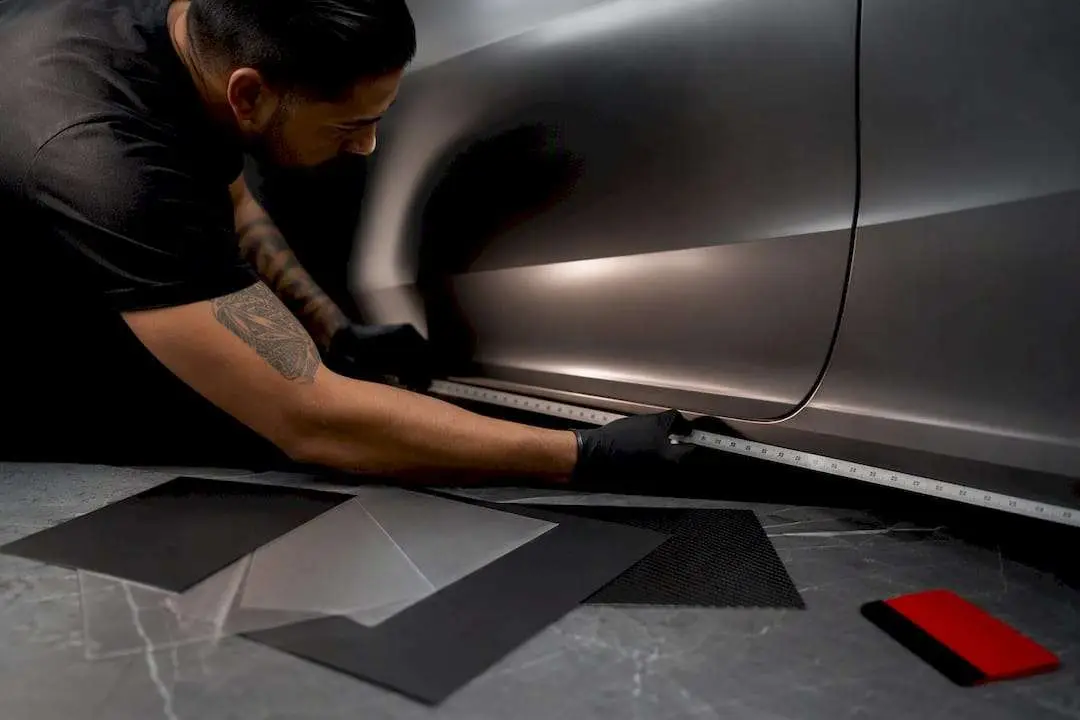
- Disassembly and sensor handling. Teslas have door handles, cameras, and sensors built into panels that need careful removal and reinstallation, which adds labor hours a simpler car wouldn’t require.
- Custom work. Graphics, texture finishes, and chrome deletes add $400 to $1,500 or more on top of a standard wrap.
- Regional labor rates. A shop in a high cost-of-living market will simply charge more per hour than one in a smaller city.
Pro Tip: Ask for a written, itemized quote before you book. If “paint correction” and “removal fee” aren’t listed as separate line items, ask why, because those two costs are where most surprise bills come from.
Is DIY Wrapping Cheaper Than Hiring a Pro?
On paper, yes. DIY vinyl rolls typically cost $500 to $1,800, depending on the film brand and how much car you’re covering. Add a heat gun, squeegees, and a few practice panels, and you’re still well under professional pricing.
The catch is what happens when it goes wrong, and for first-timers, it usually does. Bubbles, stretched seams, and overcut edges are the norm, not the exception, and fixing them often means buying more film than you budgeted for or paying a shop to redo the job anyway. That erases most of the savings.
Professional installs cost more because they include:
- Vehicle-specific fit templates that account for Tesla’s curved panels
- Proper handling of door handles, cameras, and other embedded sensors
- Installer warranties on the work itself
- A finish that actually lasts the film’s rated lifespan
A full professional vinyl job typically takes 1 to 3 days. A full PPF install can run 2 to 5 days, depending on how much of the car you’re covering and whether paint correction is needed first.
How Does a Shop Like PPF Pros Handle a Tesla Wrap Quote?
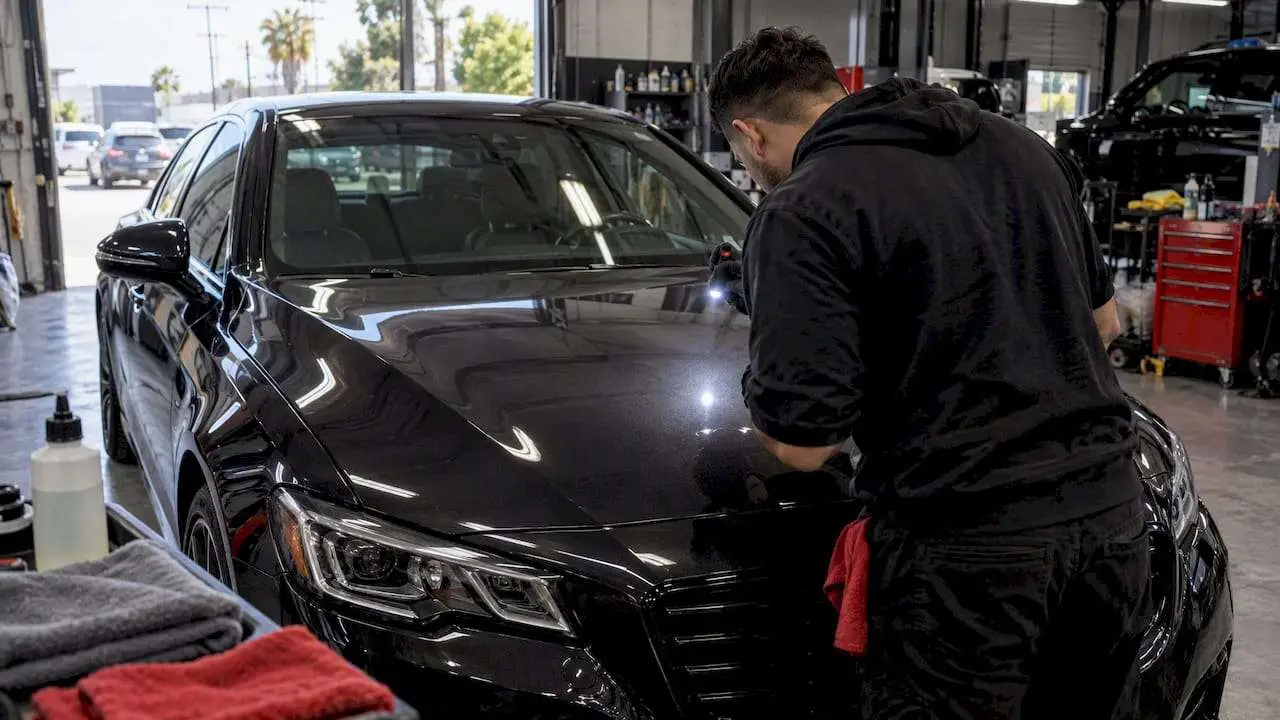
A shop that works on Teslas regularly follows a consistent process: inspect the paint, correct any surface issues, help you pick the material, disassemble the panels that need it, install the film, then run a quality check before handoff. PPF Pros in North Hollywood offers XPEL Authorized PPF, 3M and Avery Dennison vinyl wraps, ceramic coating, and chrome delete, often bundled together for owners who want both a finish change and long-term protection.
Before you sign off on any quote, ask these questions:
- What film brand are you using, and what’s the warranty term?
- Is paint correction included, or billed separately if needed?
- What’s your removal cost if I want the wrap off later?
- How do you handle disassembly around cameras and sensors?
Pro Tip: If you’re leasing your Tesla, get the shop’s removal policy in writing and check your lease terms first. Most lessors expect the car back in original condition, and an undocumented wrap can turn into a return-day fee you didn’t see coming.
What Actually Matters When You’re Budgeting for a Wrap
Most pricing guides treat “Tesla wrap cost” as a single number, and that’s the first mistake. The real question isn’t “what does a wrap cost,” it’s “what am I actually buying?” A $2,800 vinyl wrap and a $5,500 clear PPF job solve completely different problems. One changes how the car looks. The other keeps rock chips off your paint for a decade. Comparing them on price alone misses the point.

The conventional advice to “get three quotes and pick the middle one” also falls short, because it ignores that the cheapest quote is often cheap for a reason: cheaper film, no paint correction, and no plan for sensor handling. The quote that includes those line items isn’t padded, it’s honest.
If you’re buying new or recently leased, prioritize protection over cosmetics unless you’re set on a color change. Tesla’s factory paint is notably thin, and PPF addresses that directly. Wrap for style if that’s the goal, but don’t skip the paint correction question just to save $400 up front, because that’s usually the corner that costs the most to fix later.
— Jake
Get a Straight Answer on Your Tesla’s Wrap or PPF Cost
Reading price ranges online only gets you so far. Your exact quote depends on your Tesla’s panel condition, the finish you want, and whether you’re prioritizing looks or long-term protection, and that’s where an actual inspection beats another guide.
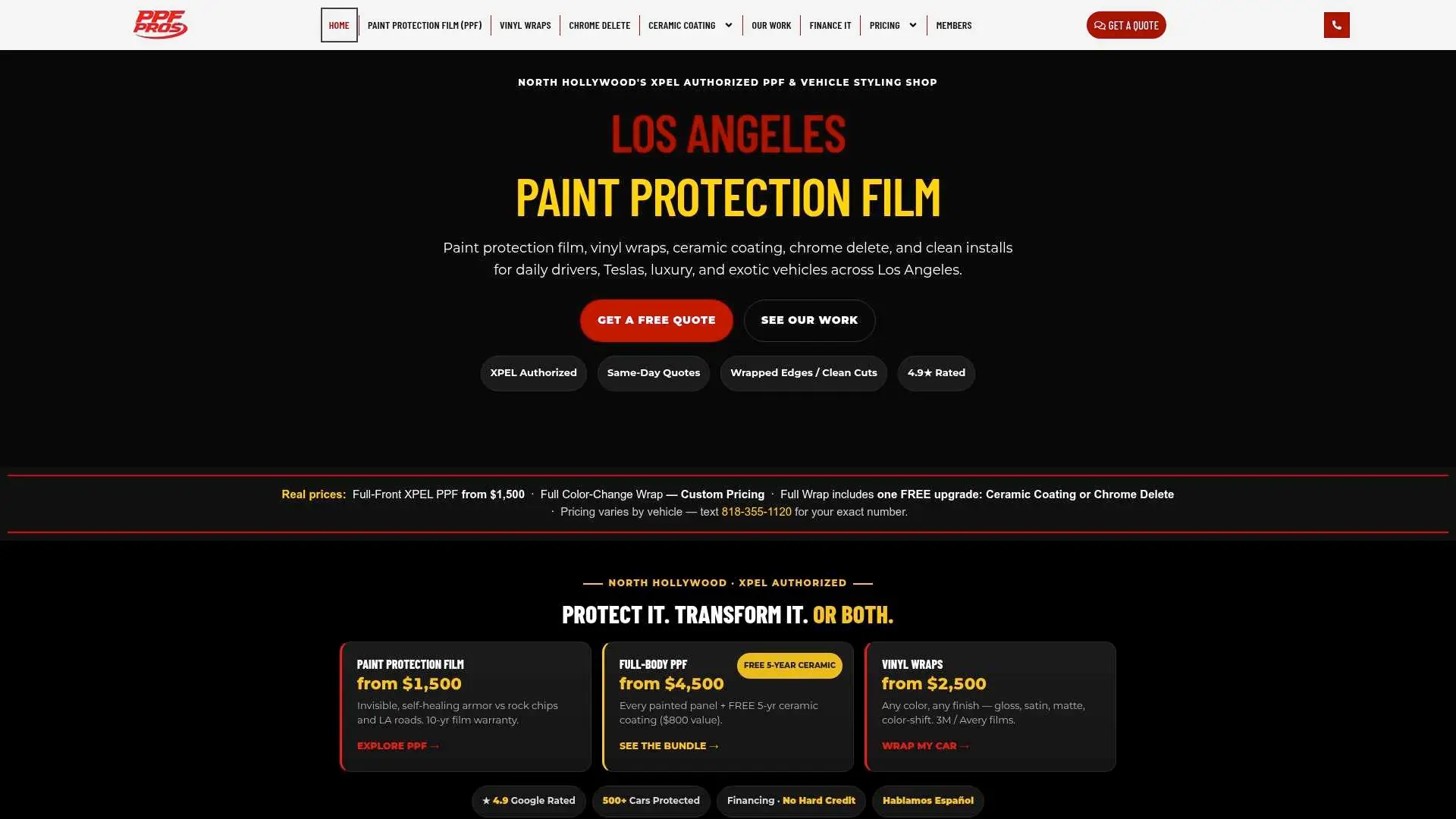
A shop in North Hollywood offers both options under one roof: authorized PPF for owners who want the paint protected first, and vinyl wraps for owners chasing a specific color or finish. Because both services run out of the same shop, you can also combine them, protection underneath, color on top, without coordinating between separate installers. The installers walk you through material choice, paint correction needs, and sensor handling before any panel comes off the car, so the quote you get matches the job you actually receive. If you’re ready to see what your Tesla’s wrap or PPF would cost, book a quote for paint protection film and get a price based on your car, not a national average.
Sources
- Tesla drops prices of its wraps for the Model 3, Model Y and Cybertruck
- Can you customize a leased car?
- Tesla Wrap Guide 2026: Costs, Colors, PPF vs Vinyl & How to Find a Shop