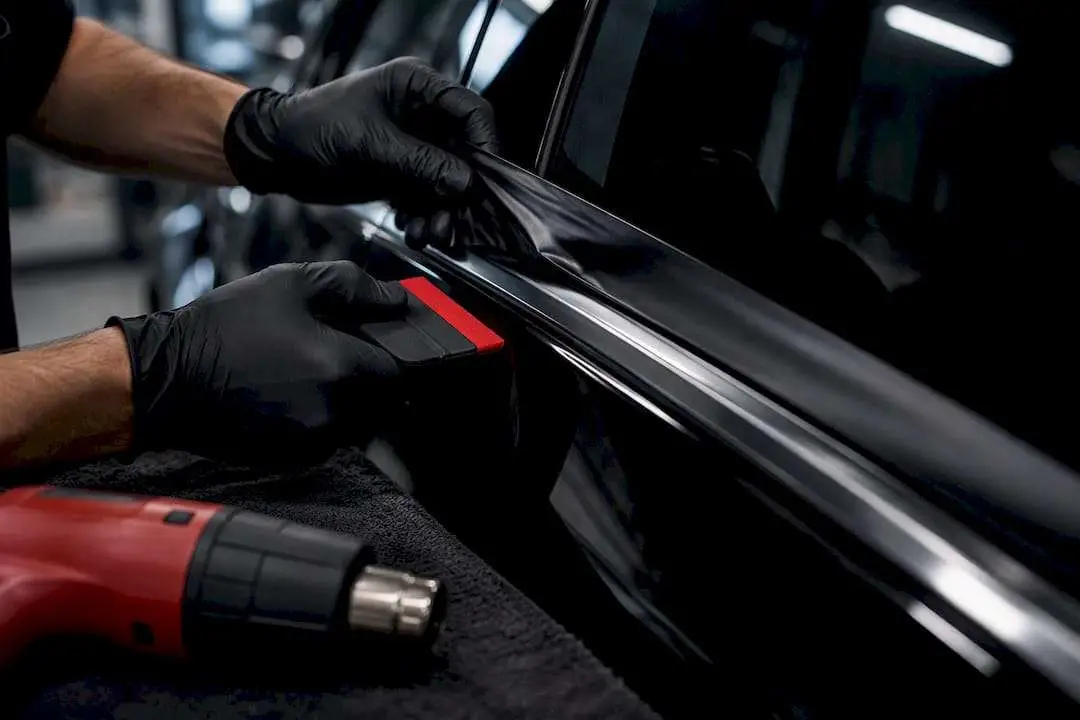
For most owners, the best route is a professional vinyl or PPF chrome delete: it holds up longer, comes with warranty support, and leaves clean edges around mirrors and window trim. DIY kits work fine for small accents like door handles or badges. Permanent paint or coating suits owners who never plan to go back to chrome. For anything with tight channels or curved trim, check manufacturer guidance first and lean on a professional installer.
TL;DR:
- Professional vinyl or PPF wraps yield longer-lasting results with cleaner edges and warranty support, especially on curved or complex trim shapes.
- Not all vinyl films perform equally on chrome; 3M 2080 and Avery Dennison Conform Chrome are preferred for durability and removability, with specific heat and stretch limits.
- DIY kits are suitable for small, flat pieces but risk visible mistakes and lifting on curves or tight channels, requiring careful surface prep and application technique.
- Quality vinyl wraps can last several years with proper maintenance, including gentle washing and avoiding abrasive cleaners, while cheaper options tend to fade or lift sooner.
- Irreversible paint coatings are best for owners certain they want a permanent style change, since removing or restoring factory chrome involves replacing the affected parts.
Table of Contents
- DIY kits, pro wraps, or permanent paint: which one fits?
- Which films and finishes actually hold up on chrome?
- How do you actually apply a chrome delete wrap yourself?
- What does a chrome delete cost, and how long does it last?
- What should you check before you wrap or paint over chrome?
- How a professional shop approaches a chrome delete
- Which route actually makes sense for your car
- Get a chrome delete done right the first time
- Where to check film specs and warranty details
- Sources
- FAQ
DIY kits, pro wraps, or permanent paint: which one fits?
The three routes solve the same problem differently, and the right pick depends on how much risk, time, and permanence you’re comfortable with.
DIY trim kits are the cheapest entry point. They typically include precut vinyl strips, a squeegee, and sometimes a small heat tool, and they work best on flat or gently curved pieces like door handles, mirror caps, or badge surrounds. The catch is that window trim, especially anything with tight curves or A-pillar channels, punishes small mistakes: bubbles, lifted edges, and whitened film are common on a first attempt.
Professional vinyl or PPF installs cost more but solve the problems DIY kits create. A trained installer works with wider rolls, avoids seams in visible areas, and knows how much heat a given film can take before it discolors. Most reputable shops also stand behind the install with some form of warranty, which matters if the wrap lifts or fades early.
Permanent paint or coatings, like specialty blackout products, remove the guesswork around edges and adhesion, but they are a one-way decision. Once chrome trim is painted over, restoring the factory chrome look usually means replacing the part.
- DIY kits: lowest upfront cost, best for small flat trim pieces, higher risk of visible mistakes on curves.
- Professional vinyl or PPF: higher cost, cleanest edges, warranty backing, better fit for full trim packages or complex shapes.
- Permanent paint or coating: irreversible, more labor-intensive to apply, appeals to owners who want a permanent style change rather than a removable one.
Which films and finishes actually hold up on chrome?
Not all vinyl behaves the same way on chrome, and picking the wrong film for the job is where most DIY chrome deletes go wrong.
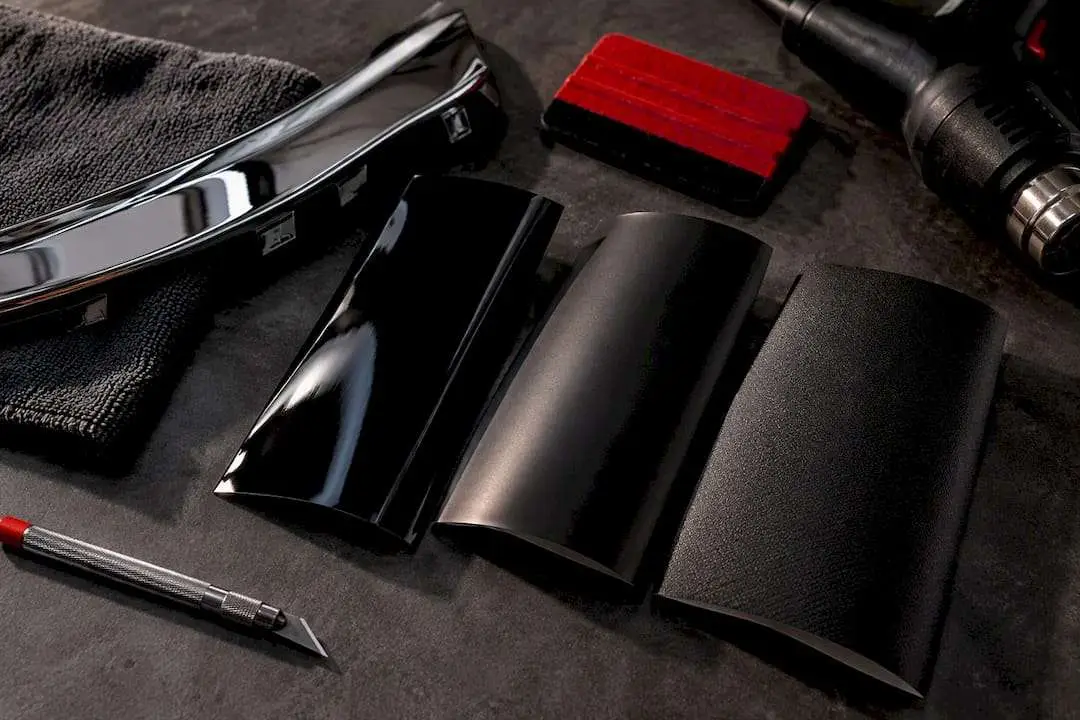
3M™ Wrap Film Series 2080 is the film most professional installers reach for on trim and full-panel work. It uses a pressure-activated adhesive system designed for repositioning during application, and gloss versions carry a protective film layer that has to be handled correctly during installation, including removal before any post-heating step.
Avery Dennison’s Conform Chrome (SF100 series) is built specifically for chrome accent work, but the product data sheet warns that excessive heat or overstretching can cause whitening or discoloration, and it documents specific substrate and removability limits. Chrome films generally have lower vapor permeability than standard cast vinyl, which is why installers avoid using them over fresh paint or certain plastics where trapped moisture can cause bubbling.
Dark smoke rolls, sold under names like LightWrap, give a tinted rather than fully blacked-out look and are popular for tail lights and window trim where owners want depth without going full matte black. Blackout coatings such as Rust-Oleum’s Blackout Chrome kit and the KBS Black-Out paint system take a different approach entirely: brush or spray application instead of film, with heat resistance and dry times specified on the technical sheet rather than a peel-and-stick process.
- Gloss finishes match factory chrome shine most closely but show swirl marks and fingerprints fastest.
- Satin splits the difference, hiding minor surface imperfections while still reflecting light.
- Matte hides the most flaws but requires more careful cleaning since abrasive pads dull the texture unevenly.
Chrome films need less heat and less stretch than standard vinyl. Avery Dennison’s application cautions explain why overheating or overstretching a metallic film permanently changes its finish in a way that isn’t covered by warranty.
How do you actually apply a chrome delete wrap yourself?
Window trim and narrow moldings are the most common DIY chrome delete projects, and they reward patience over speed.
- Inspect the trim and surrounding paint for chips, swirl marks, or rust before starting, since any of these will show through gloss film.
- If the car was just painted or detailed, wait for the surface to fully cure and off-gas before applying anything.
- Clean the trim with soap and water, then wipe it down with isopropyl alcohol to remove wax and residue.
- Measure the piece and pre-cut the vinyl with margin to spare, then tack it into position dry before committing to the final placement.
- Apply the film using a heat gun on a low, even setting, working slowly to avoid the whitening that comes from concentrated heat on chrome-specific films.
- Trim and tuck the edges, remove the protective film layer before post-heating on 3M 2080 gloss films, and do a final heat pass to set the edges.
Pro Tip: Keep the heat gun moving constantly and test on a hidden section of trim first, since chrome films whiten faster than standard cast vinyl.
Stop and call a professional if you find deep paint chips, complex trim channels with tight radii, or old adhesive residue that won’t lift cleanly. Those conditions are exactly what manufacturer guidance points to when it recommends professional installers for anything beyond flat, simple panels.
What does a chrome delete cost, and how long does it last?
Price and lifespan track each other closely here: cheaper materials and rushed installs tend to fail sooner.
- Precut DIY kits and narrow trim rolls sit at the low end of the retail market, with wider professional-grade rolls running up to 60 inches for seam-free coverage on larger panels.
- Professional installs vary based on how much trim is covered, from a partial front treatment to a full-vehicle chrome delete, with pricing typically quoted after inspection.
- Quality vinyl chrome delete wraps can last several years depending on film choice and how much sun and weather exposure the vehicle sees.
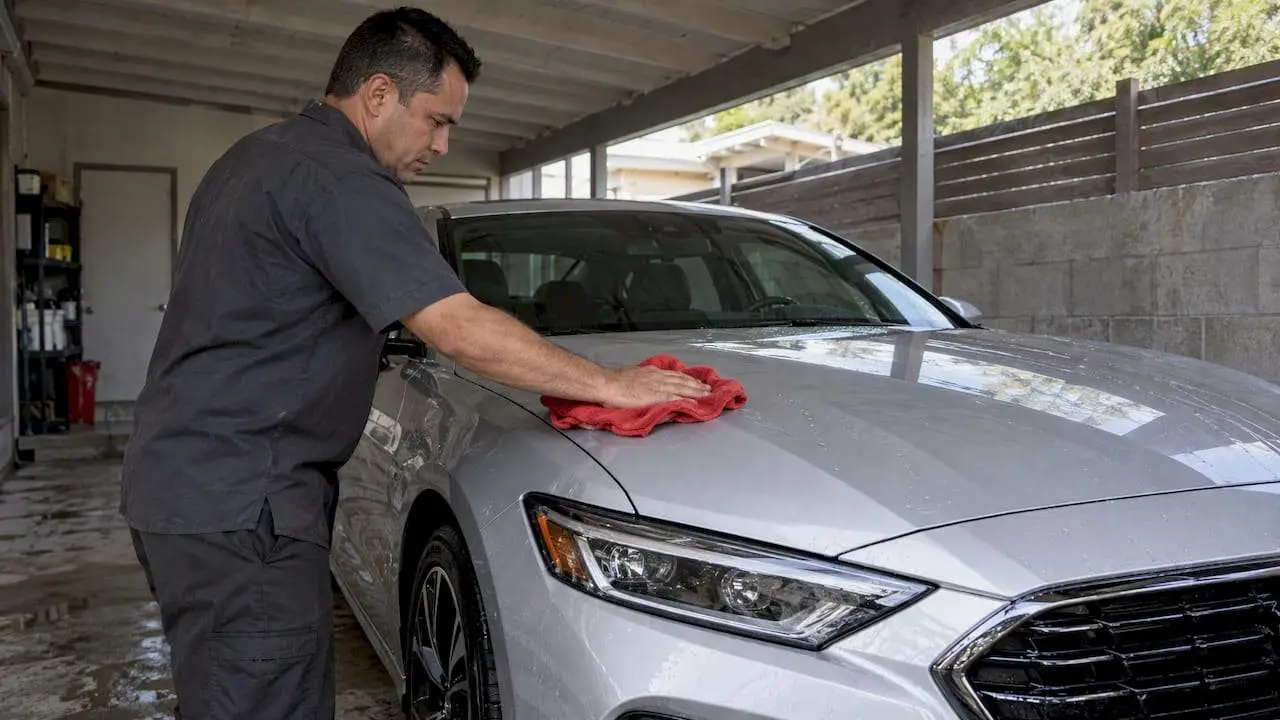
- Gentle hand washing and avoiding abrasive cleaners or automated brush washes extends the life of both DIY and professional wraps, and a ceramic coating applied carefully around wrap edges can help protect the seam line.
Vehicle wraps that reach the higher end of their expected lifespan usually get there through consistent maintenance rather than luck, a point echoed in general wrap longevity guidance covering care routines that stretch a wrap’s usable years.
What should you check before you wrap or paint over chrome?
A few minutes of prep avoids most of the paint damage and warranty headaches that come with chrome delete projects.
- Correct any paint chips, rust spots, or swirl marks before wrapping, since 3M recommends paint correction first because high-gloss film magnifies whatever is underneath it.
- Confirm your installer is authorized for the film you’re using: manufacturer warranty language supports damage-free removal only when products are applied and removed within specified guidelines and warranty periods.
- Ask about removal windows before committing, since aged paint or improperly cured clear coat can pull away when film is removed later.
- Check local regulations on tinted or reflective trim coverings before wrapping headlights or tail lights, since rules vary by location and vehicle type.
Warranty support and damage-free removal depend on following the manufacturer’s application and removal guidelines within the stated period, according to 3M’s own warranty documentation for the 2080 film series.
How a professional shop approaches a chrome delete
Shops that handle chrome deletes daily treat the job differently from a weekend DIY attempt, mostly around prep and material selection.
PPF Pros is a vehicle styling shop in North Hollywood that works on paint protection film, vinyl wraps, ceramic coatings, and chrome deletes, and offers XPEL Authorized PPF alongside its wrap services. That authorization matters because it ties material choice to a documented process rather than guesswork.
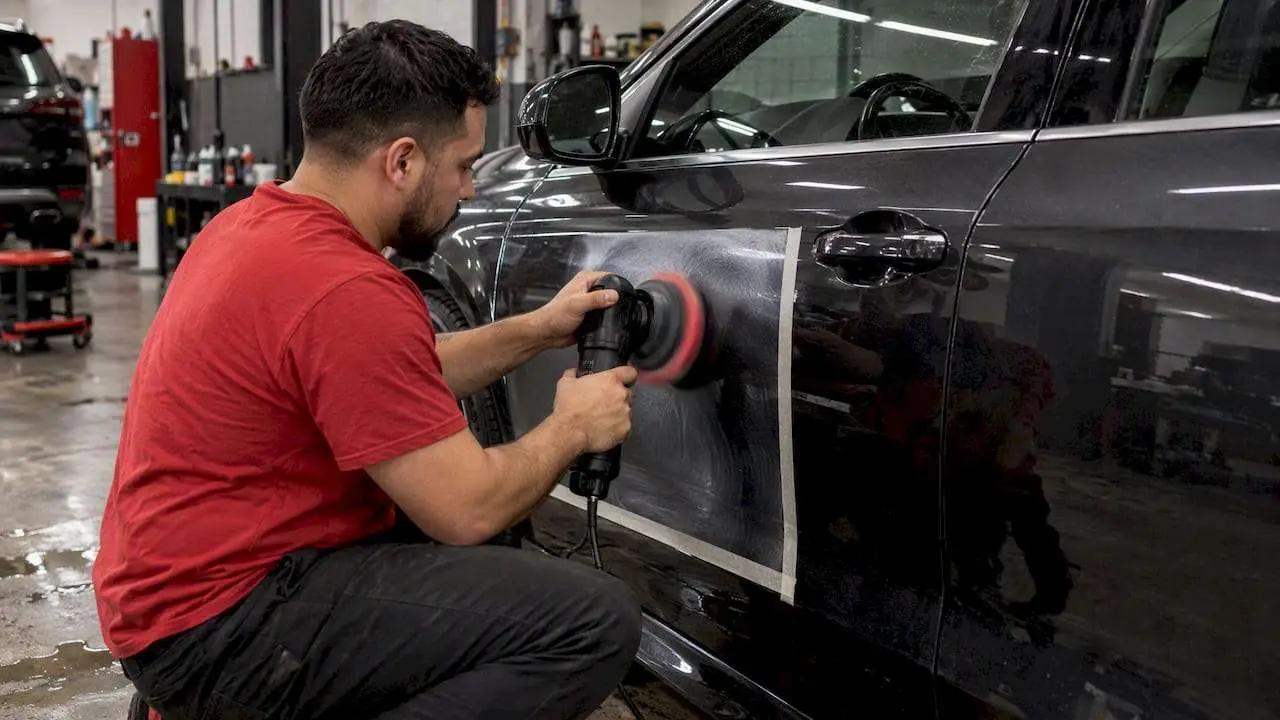
- Paint correction happens before any film goes on, catching chips or swirl marks that would otherwise show through gloss vinyl.
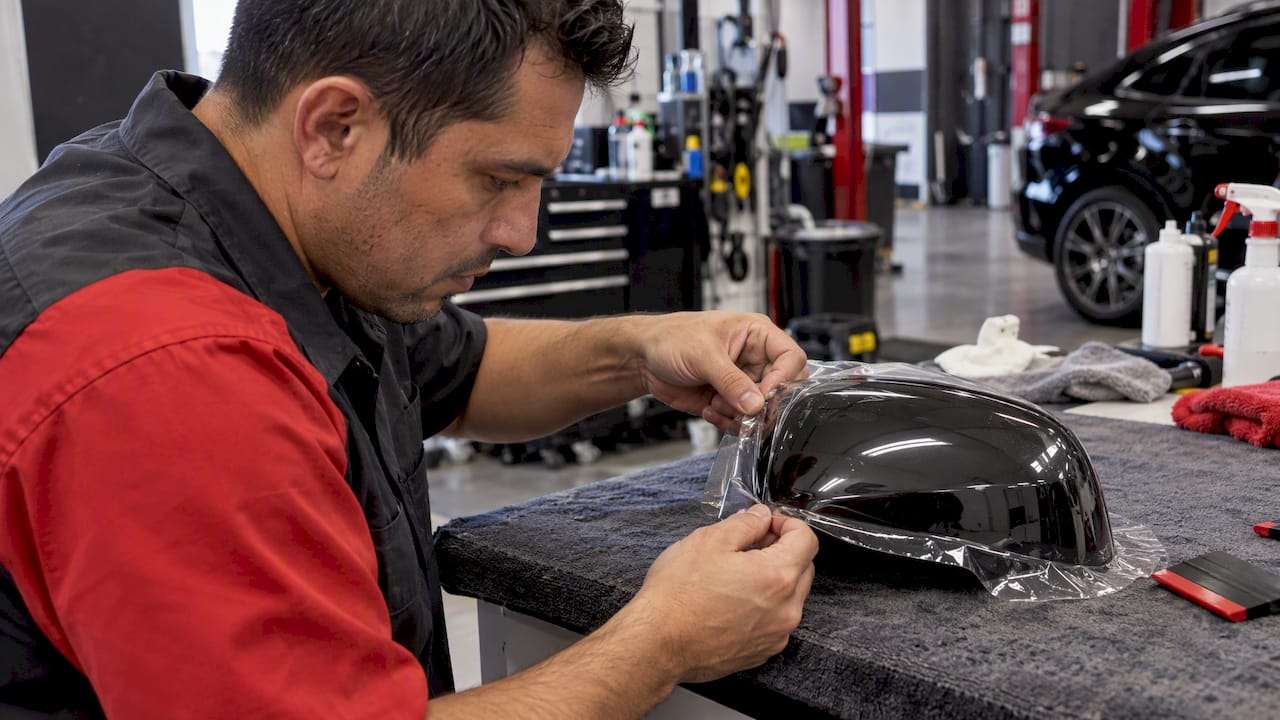
- Edges get wrapped and tucked rather than left cut and exposed, which is where most amateur installs start lifting first.
- Material choice depends on the trim shape: tight curves call for more forgiving films than flat panels.
- Every install includes an inspection step and a conversation about what the warranty does and doesn’t cover.
Which route actually makes sense for your car
If you’re working on a single flat accent piece and you’re comfortable redoing it if it goes wrong, a DIY kit is a reasonable bet. Anyone dealing with full window trim, curved moldings, or a car they plan to keep for years should lean toward a professional vinyl or PPF install, since the cost difference tends to buy real durability and edge quality rather than just convenience. Permanent paint or coating makes sense only when you’re certain you never want the chrome look back.
The trade-off comes down to three things: cost, permanence, and paint risk. DIY kits cost less but carry the most risk to trim and paint if it’s done wrong. Professional installs cost more but reduce that risk substantially and add a warranty safety net. For owners who want the finish quality without the guesswork, booking a professional install is the simpler path.
— Jake
Get a chrome delete done right the first time
Skipping the trial and error of a DIY kit means skipping the risk of whitened film, lifted edges, and a redo project. A professional vehicle styling shop handles chrome delete work alongside PPF and vinyl wrap installs, using premium materials and installers who wrap edges cleanly instead of leaving raw cut lines.
- Every job starts with an inspection of your trim and paint condition before any material is quoted.
- You’ll get a straightforward quote and material options for your specific trim, whether it’s a partial front treatment or a full chrome delete.
- Warranty details are discussed upfront so you know exactly what’s covered before the work starts.
Explore the shop’s chrome delete and detailing services or check full vehicle and partial front PPF options if you’re weighing a chrome delete alongside broader paint protection for a Full Vehicle package starting at $4,500. For a full color change wrap that includes trim work, pricing starts at $2,800 through the vinyl wraps service page.
Where to check film specs and warranty details
For exact application steps and warranty terms, go straight to the source.
- 3M™ Wrap Film Series 2080 and its product bulletin cover installation and warranty specifics.
- Avery Dennison’s Conform Chrome data sheet lists substrate and heat limits.
- Always confirm current specs with an authorized installer before starting a project.
Sources
- 3M™ Wrap Film Series 2080 | 3M United States
- 3M™ Wrap Film Series 2080 – Product bulletin / FAQ
- Avery Dennison SF100 Conform Chrome series product data sheet
- KBS Black-Out paint (product info)
FAQ
How much does a vinyl wrap chrome delete cost?
Cost depends heavily on how much trim is covered and whether you go DIY or professional, with professional quotes typically issued after an inspection of the specific vehicle. PPF Pros offers chrome delete services with pricing available on request through its service page.
Is chrome wrap illegal?
Wrapping chrome trim itself is generally not restricted, but rules on tinting or covering headlights, tail lights, or reflective surfaces vary by location. Check your local vehicle code before wrapping any lighting component, since reflective and lighting regulations differ by jurisdiction.
How long does chrome delete wrap last?
A quality vinyl chrome delete wrap can hold up well for years depending on the film used and how much sun and weather exposure the vehicle gets, with proper installation and gentle washing extending that life. Cheaper kits or rushed installs tend to show lifting and fading sooner, especially around edges and curves.
What is the best vinyl wrap for chrome delete?
3M™ Wrap Film Series 2080 and Avery Dennison’s Conform Chrome series are the two materials most professional installers reach for on chrome trim, each with specific heat and stretch limits documented by the manufacturer. The right choice depends on the trim’s shape and how much curve or channel detail the piece has.
Should I DIY a chrome delete or hire a professional?
Small, flat trim pieces like handles or badges are reasonable DIY projects for anyone comfortable with a heat gun and some patience. Full window trim, curved moldings, or vehicles with existing paint imperfections are better handled by a professional installer who can correct the paint first and back the work with a warranty.