The single best thing you can do for paint protection film is wash it gently by hand about every two weeks and treat spots the moment they appear. Skip abrasive automatic car washes, keep pressure-washer streams away from film edges, wait at least 48 hours and up to 72 hours after installation before any wash, and get a professional check once a year.
TL;DR:
- Use two buckets with neutral pH shampoo and rinse water, wash cool panels in the shade, then dry immediately with a blower or clean microfiber towel.
- If you use a pressure washer, choose a fan pattern of at least 40 degrees, stay 3 feet away, and avoid edges and seams.
- Remove bird droppings or bug residue the same day; soften each spot with hot, soapy water for one or two minutes before lifting gently.
- Light scratches often heal on their own within 20 to 30 minutes at room temperature, while deep cuts and lifted edges need professional attention.
Table of Contents
- How to wash your car without damaging the film
- Mistakes that shorten the life of your film
- Using a pressure washer or touchless wash without lifting edges
- Getting bird droppings, tar, and sap off without staining the film
- How self-healing works, and when it won’t fix the damage
- A simple maintenance schedule you can actually stick to
- What installers actually check during a maintenance visit
- What I’d prioritize if you only have time for the basics
- Keep your film protected with a scheduled PPF checkup
- FAQ
- Sources
How to wash your car without damaging the film
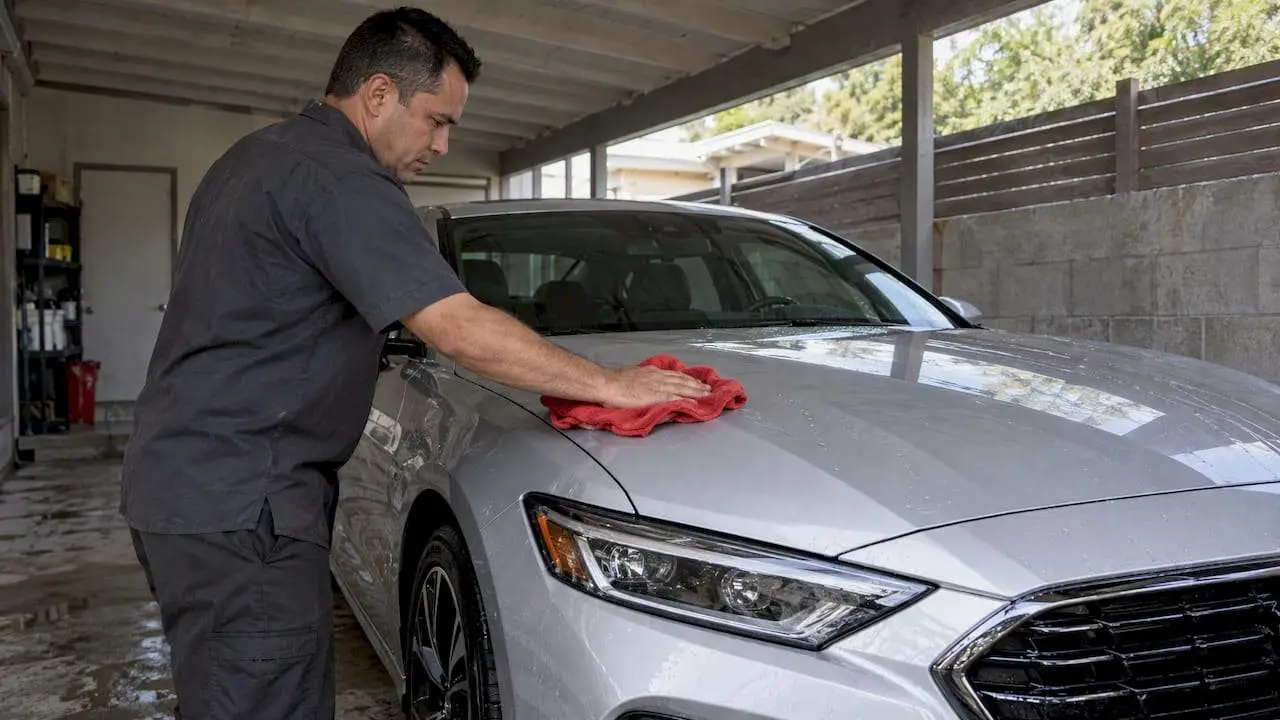
Hand washing is the backbone of real ppf care, and the method matters as much as the frequency. XPEL recommends washing about every two weeks, or roughly every 600 miles, to keep contaminants from building up on the film’s surface and dulling its optical clarity.
Here’s the routine that protects both the film and its hydrophobic topcoat:
- Fill two buckets: one with pH-neutral car shampoo and water, the other plain rinse water.
- Rinse the entire car first to knock off loose grit before any mitt touches the paint.
- Wash one panel at a time, top to bottom, dunking the mitt in the rinse bucket between passes.
- Rinse each panel immediately after washing it rather than letting soap dry on the film.
- Dry right away with an electric air blower or a plush, clean microfiber towel.
Work in the shade, and let the car cool down first if it has been sitting in the sun. Hot panels make soap dry too fast, which leaves streaks and water spots that are harder to pull off film than off bare paint.
Drying matters more with PPF than most owners expect. Letting water air-dry invites mineral spotting that can etch into the topcoat over time, so a quick pass with a blower or a dedicated microfiber towel after every wash is worth the extra five minutes.
Every three to six months, follow a wash with a PPF-safe ceramic boost or sealant. This refreshes the hydrophobic layer that makes water bead and roll off, which in turn makes the next wash faster and reduces the grime that sticks to the surface between cleanings. A ceramic coating layered over PPF can extend that slick, easy-clean feel even further.
Pro Tip: Keep a dedicated mitt and microfiber towels just for the wrapped panels. Reusing towels from other cleaning jobs is a common way grit gets reintroduced to the film.
Mistakes that shorten the life of your film
Most PPF damage traces back to a handful of avoidable habits. Knowing what not to do matters as much as knowing the right wash technique.
- Skip brush-style automatic car washes. The spinning bristles dull the film’s gloss and can catch on edges, lifting them over time.
- Avoid strongly alkaline or acidic cleaners, petroleum-based solvents, and polishes with dyes, since they can stain or soften the film’s topcoat.
- Never scrub aggressively or use abrasive pads. Gentle pressure with a soft mitt removes dirt without grinding it into the surface.
- Leave bubbles or lifted edges alone rather than picking at them. Picking tends to tear the film further and turns a small fix into a bigger repair.
- Don’t wash the car at all for the first 48 to 72 hours after installation, since the adhesive needs that window to cure fully, as 3M’s product care guidance notes.
Patience in that first window pays off. Rushing a wash before the adhesive sets is one of the most common reasons installers see early edge lift.
Using a pressure washer or touchless wash without lifting edges
A pressure washer isn’t off limits, but settings matter. XPEL’s guidance calls for a spray pattern of at least 40 degrees and a standoff distance of at least 3 feet (1 meter) from the film, with the nozzle kept well away from edges and seams. A tight, concentrated stream aimed at an edge can force water underneath the film and cause it to lift, which is one of the most common failures installers trace back to improper washing.
If you use a pressure washer at home:
- Choose a wide fan tip, never a pinpoint or turbo nozzle.
- Stay at least 3 feet back and keep the wand moving.
- Avoid aiming directly at door jambs, hood edges, or mirror caps.
- Skip high-heat settings, since hot water can soften adhesive over time.
Touchless car washes are a reasonable fallback when you’re short on time, since they avoid the brushes that scratch film. Hand washing still comes out ahead for clarity and gloss, but a touchless wash beats skipping a cleaning altogether when contaminants are piling up.
Getting bird droppings, tar, and sap off without staining the film
Acidic contaminants are the fastest way to damage a clear topcoat, so speed matters more than technique here. 3M’s FAQ guidance points to a soak-and-lift approach as the safest first move.
- Soak the spot with hot, soapy water for a minute or two to soften it before touching it.
- Lift the softened residue gently with a soft microfiber towel instead of scraping or wiping hard.
- For stubborn tar or tree sap, use a dedicated PPF-safe film cleaner, or 99% isopropyl alcohol applied sparingly and with light pressure.
- Run a fine detailing clay bar over the area afterward if fallout feels embedded, keeping the surface well lubricated to avoid marring.
Waiting even a day to deal with bird droppings or bug splatter raises the risk of etching into the topcoat, since the acids in both start working on contact. Catching stains the same day they land is the cheapest insurance you have against permanent marks.
How self-healing works, and when it won’t fix the damage
Light surface scratches are the scenario where PPF’s self-healing topcoat actually shows its value. According to XPEL’s product care page, shallow marks often disappear on their own within 20 to 30 minutes at room temperature, and warm water around 120°F speeds that process along.
- Light swirl marks and fine scratches: usually self-heal with time or warm water.
- Deep cuts that go through the topcoat: will not self-heal and need professional repair.
- Edge lift or adhesive failure: never a self-healing issue, and picking at it only makes things worse.
Warm tap water or a kettle-filled bucket is a safe way to help a scratch heal. A heat gun is riskier in untrained hands, since too much direct heat can soften adhesive or warp the film instead of just activating the topcoat.
Pro Tip: If a mark is still visible after a warm-water treatment and a day’s wait, stop trying home fixes and send photos to your installer instead.
A simple maintenance schedule you can actually stick to
Boiling PPF care down to a calendar makes it easier to follow without thinking twice. The first 30 days set the tone for how the film performs for years, since that’s when the adhesive fully cures and the topcoat settles in.
- Days 1 to 3: no washing at all while the adhesive cures.
- Every 2 weeks or about 600 miles: hand wash with pH-neutral soap and a soft mitt.
- After every wash: dry immediately with a blower or microfiber towel to prevent hard-water spots.
- Every 3 to 6 months: apply a PPF-safe ceramic boost to refresh the hydrophobic layer.
- Once a year: book a professional inspection to check for edge lift, staining, and warranty status.
| Interval | Task |
|---|---|
| First 48 to 72 hours | No washing, let adhesive cure |
| Every 2 weeks (~600 miles) | Hand wash, dry immediately |
| Every 3 to 6 months | Apply ceramic boost or sealant |
| Annually | Professional inspection |
Sticking to this cadence keeps grime from building up faster than the film can shed it, which is really what most PPF complaints come down to.
What installers actually check during a maintenance visit
A professional inspection looks past the surface shine for the things an owner might miss: edge adhesion, early signs of lifting, staining under the topcoat, and overall seam integrity. Installers often use authorized film, which matters at inspection time because warranty terms are tied to documented, authorized work.
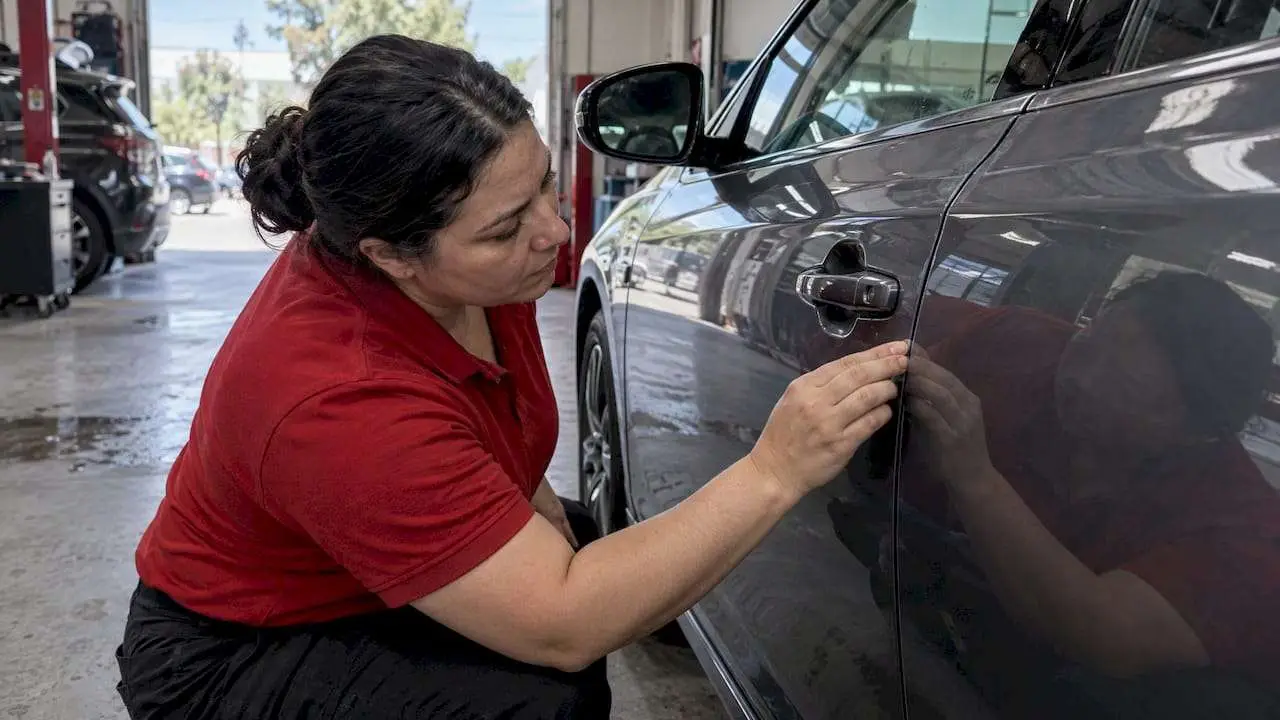
Most full installs take one to five days depending on coverage, and that same window is a good reference point for how long film needs before its first wash. After that, a yearly check is the rhythm most owners and installers settle into, catching small issues like a lifting corner before they turn into a full panel replacement.
Environmental exposure plays a real role here too. Cars that sit outside in direct sun or near heavy road salt and pollution tend to need closer attention at each inspection, since UV exposure and airborne contaminants put more stress on both the adhesive and the topcoat over time.
What I’d prioritize if you only have time for the basics
If you’re not going to follow every rule perfectly, prioritize three things: get acidic contaminants off the car fast, dry the film after every wash, and don’t skip the annual inspection. Those three habits prevent the damage that’s hardest to reverse.
Everything else, the two-bucket method, the ceramic boosts, the pressure-washer angles, matters for keeping the film looking its best. But etching from bird droppings and water spots from air-drying are the two things I see cause permanent marks on film that was otherwise in great shape. Handle those two and you’re ahead of most owners.
— Jake
Keep your film protected with a scheduled PPF checkup
Staying on top of washing and spot treatment goes a long way, but an annual professional inspection catches the issues a home routine can’t, like adhesive wear hidden under an edge or early staining that hasn’t surfaced yet. Yearly inspection and maintenance visits can be scheduled to check adhesion, seams, and topcoat condition on vehicles.
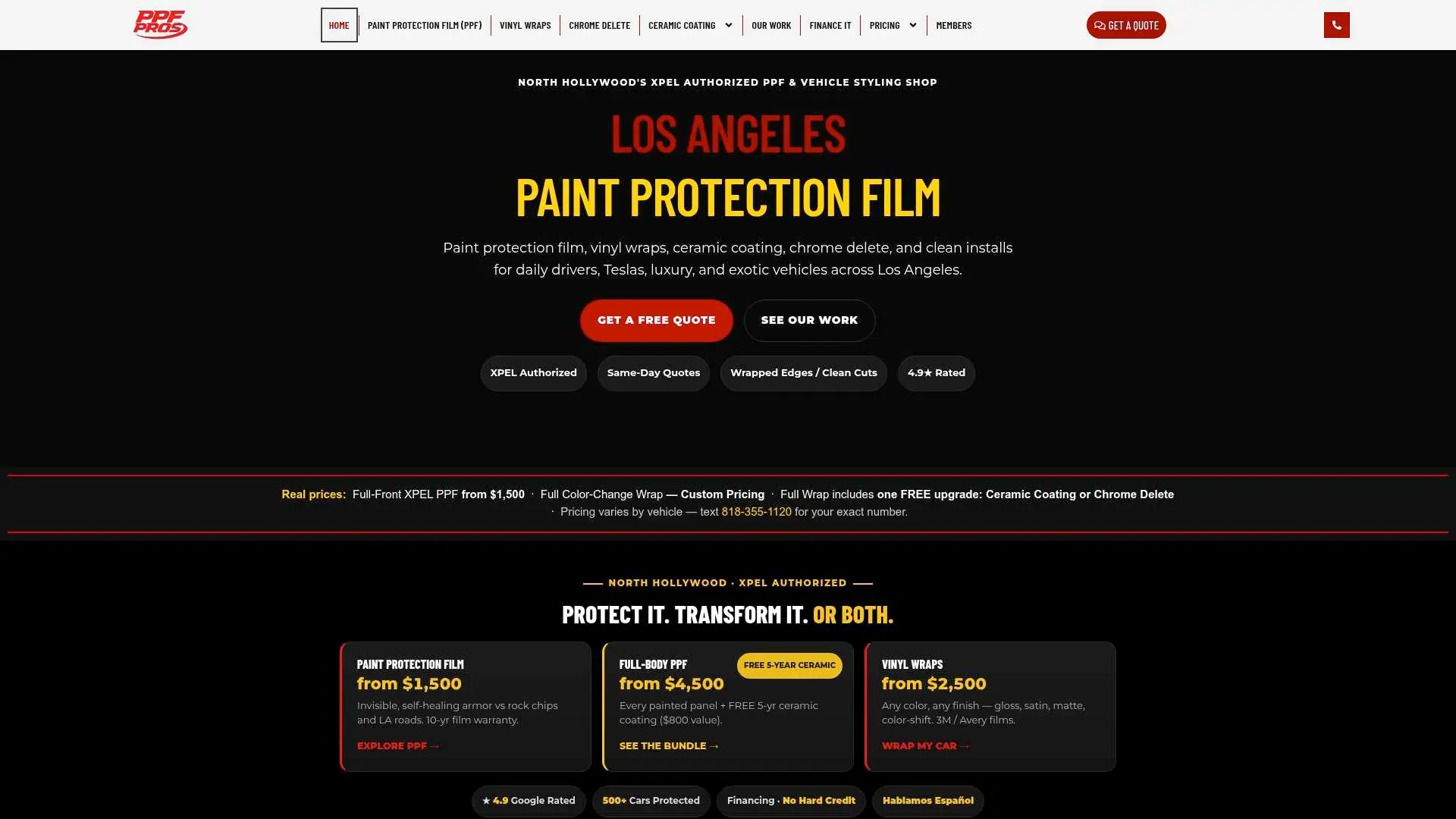
Between inspections, we offer a few ways to extend what your film and finish can handle:
- A ceramic boost applied every few months to keep the hydrophobic topcoat performing like new.
- Full Front or Full Vehicle PPF coverage if you’re extending protection to new panels.
- Ceramic coating layered on top for added gloss and easier cleanup between washes.
For hand-wash technique between visits, the step-by-step two-bucket method guide from Diamondbrite pairs well with the products we recommend for PPF-safe care.
Ready for a checkup or a new install? Get a quote or book an inspection and we’ll walk you through pricing for your coverage.
FAQ
What maintenance does PPF require?
PPF needs regular hand washing about every two weeks, prompt spot treatment for bird droppings and bug splatter, and a yearly professional inspection, according to XPEL’s care guidance. Beyond that, a ceramic boost every three to six months keeps the hydrophobic topcoat working at its best.
Do you need to maintain PPF?
Yes, PPF still needs routine washing and care even though it protects the paint underneath it. Skipping maintenance lets contaminants sit on the film longer, which raises the risk of staining or etching into the topcoat.
Is PPF hard to maintain?
PPF is not hard to maintain, but it does require hand washing with pH-neutral soap rather than automatic brush car washes, which XPEL warns can scratch or damage the film. Once the routine becomes habit, it takes no more effort than washing bare paint.
Can PPF go through a car wash?
Brush-style automatic car washes should be avoided since the spinning brushes can dull the film and lift edges over time. Touchless car washes are a safer alternative when hand washing isn’t possible, though hand washing still gives the best results for clarity and longevity.
Sources
- XPEL Product Care Instructions – XPEL Help Center
- 3M product care guide for paint protection film (PDF)