Yes. Protect a new car early after proper prep: wash, decontaminate, correct any dealer swirls, then apply wax, sealant, ceramic coating, or paint protection film. Skip the outdated “wait 90 days” advice. Prep comes before protection, not a calendar.
TL;DR:
- Proper preparation should be completed before protection application, with washing, decontamination, and correction done in the correct sequence, not based on age or time.
- Using a two-bucket method, iron removal, and clay decontamination is essential to remove embedded contaminants that routine dealership washes often miss.
- Applying protection such as ceramic coatings or PPF before correcting flaws can lock in defects and cause adhesion issues, making repairs more difficult later.
- Combining impact zone PPF with a ceramic coating over the entire vehicle is now a common approach for long-term protection, with costs increasing based on coverage area and correction needs.
- Always verify a shop’s certification, inspect their portfolio, and request written warranties and scope of work before committing to a new-car detailing service.
Table of Contents
- What a New Car Detailing Service Includes
- When to Detail a New Car and How Soon for Protection
- Prep Sequence and the Right Order for Protection
- Protection Options Explained: Wax, Sealant, Ceramic Coating, and PPF
- What Drives the Cost of a New-Car Detail
- How to Pick a Professional Detailer for a New Car
- PPF Pros Perspective: Our First-30-Days Approach
- How Ppfprosla Handles New-Car Protection
- Sources
- FAQ
What a New Car Detailing Service Includes
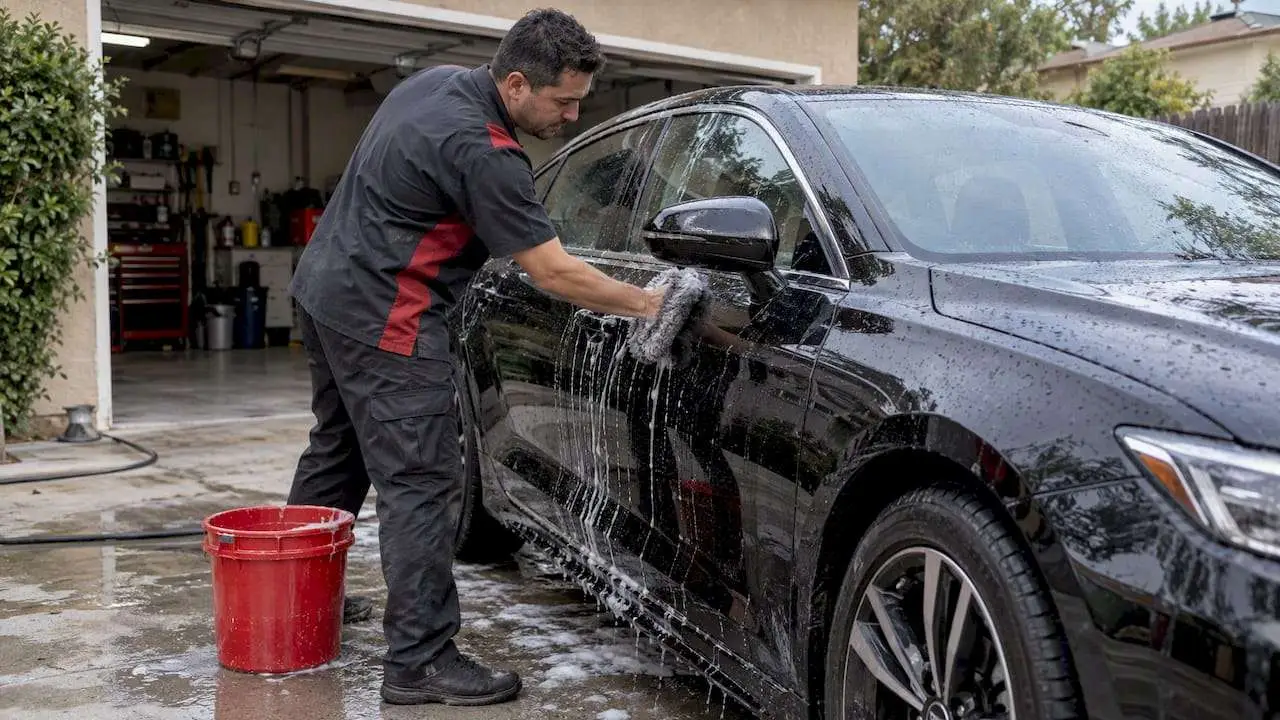
A real new-car detail is not just a rinse and a vacuum. It starts outside with a safe two-bucket hand wash, a wheel and tire cleaning pass, and iron removal to strip out the brake dust and rail dust that clings to factory paint during transport. Clay decontamination follows, pulling out embedded contaminants a wash alone can’t touch, which matters because dealership prep washes are usually quick spray-and-buff jobs focused on shine, not on removing what’s actually stuck to the paint according to Kelly Kleen Auto Detailing.
Paint correction only enters the picture if the inspection turns up dealer lot swirls or transport scuffs, and it always happens before any protection goes on. Sealing in a swirl mark just locks in the flaw.
Inside, expect a full vacuum, steam or extraction cleaning on carpets and mats, leather conditioning if applicable, and UV protectant on the dash and trim.
A shop worth paying should hand you:
- A written scope of work, not a verbal promise
- Before and after photos of each panel
- A final inspection under proper lighting to catch anything missed
- Confirmation of which products were used on leather, plastic, and glass
When to Detail a New Car and How Soon for Protection
Factory clear coat is baked on at the plant and typically cures fast, so the old rule about waiting 60 to 90 days before waxing or coating a new car is largely outdated advice built around older single-stage paint systems, not the waterborne base coat and clearcoat setups most manufacturers use now, according to Chemical Guys.
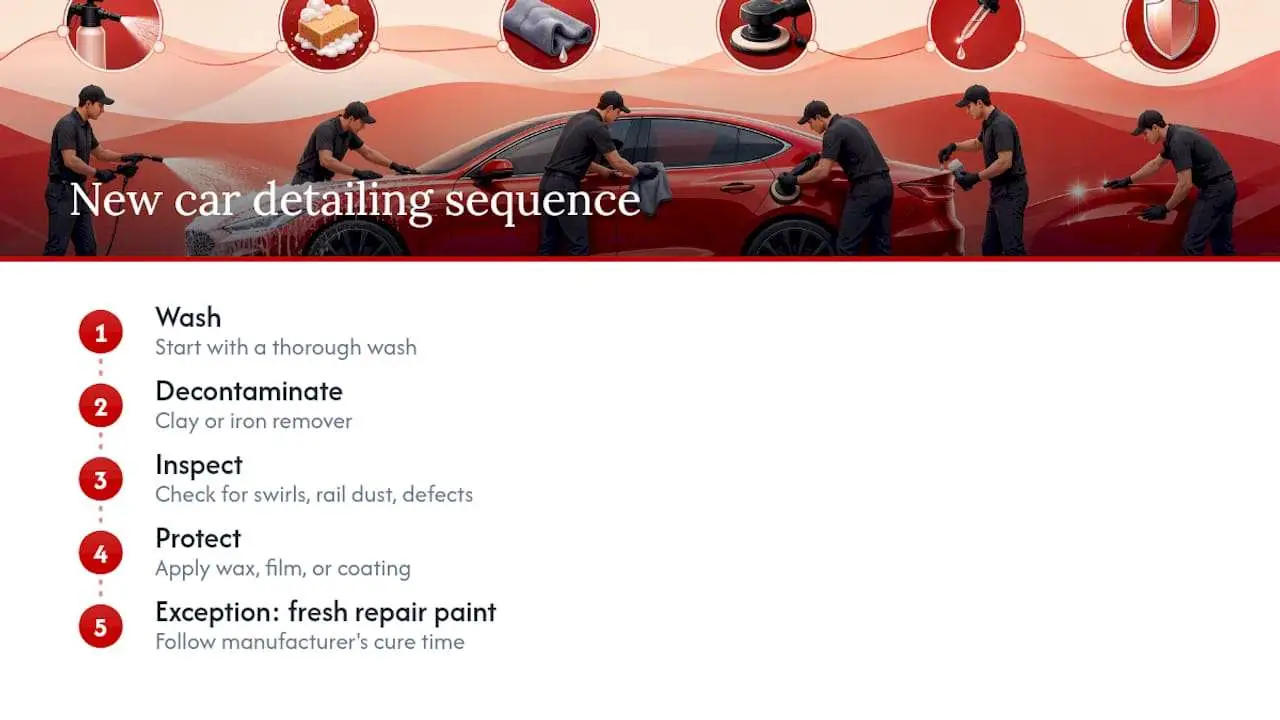
What actually matters is sequence, not the calendar. Wash first, decontaminate second, inspect third. Never seal a swirl or a patch of rail dust under wax or film. There’s one real exception: if the car has fresh body-shop paint from an accident repair or a factory touch-up, follow the manufacturer’s specified cure time before any correction or protection work begins.
Prep Sequence and the Right Order for Protection
Skipping steps or doing them out of order is the single biggest way new-car protection jobs fail. The order matters because each stage sets up the next.
- Wash using a two-bucket method to avoid dragging grit across the paint.
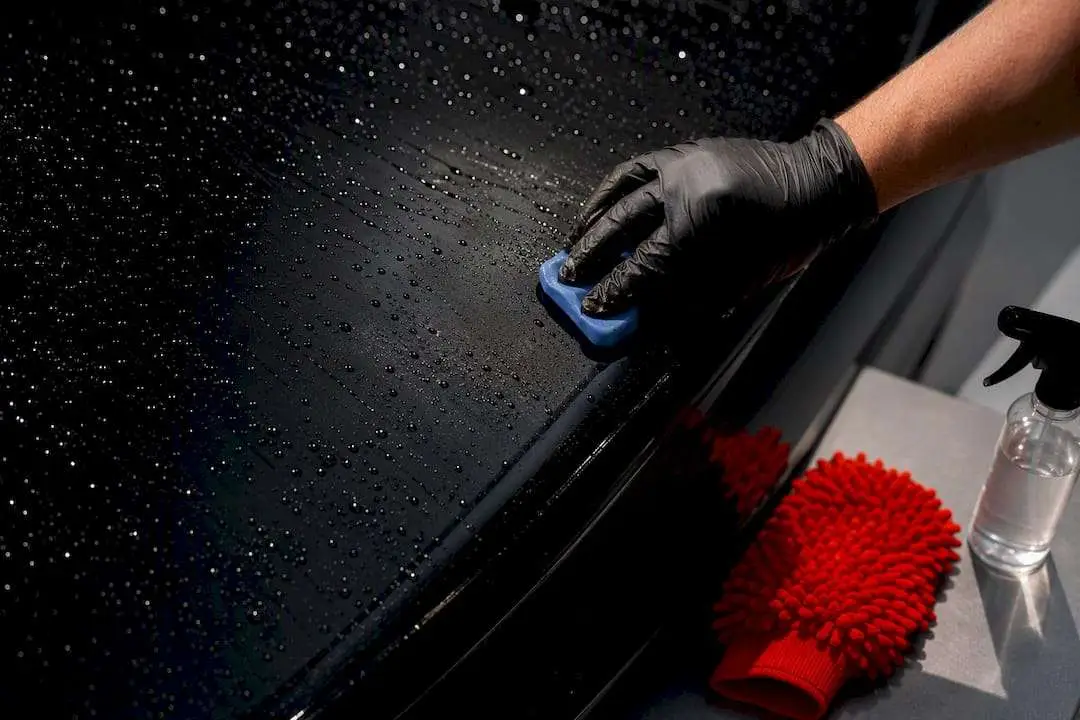
- Decontaminate with iron removal spray and clay to strip bonded contaminants a wash won’t lift.
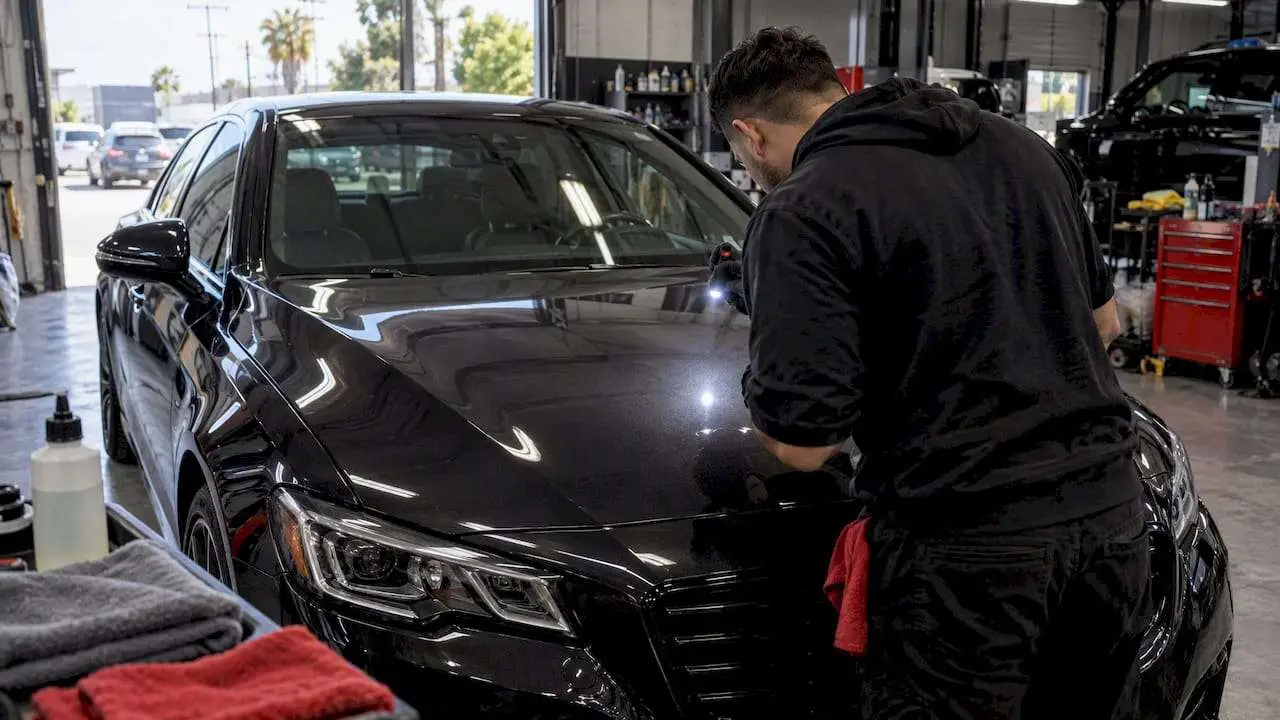
- Inspect under raking light for swirls, scratches, or orange peel.
- Correct with light polishing only where the inspection found real defects.
- Install film on impact zones like the front bumper, hood, mirrors, and rocker panels.
- Apply ceramic coating or sealant over the film and the remaining painted surfaces for uniform gloss.
Correction has to happen before film or coating goes on, not after. A shop that seals in swirl marks under a coating has locked in a flaw that’s now far harder to fix, since polishing through a cured coating means redoing the whole job. Film also needs to sit on corrected, contaminant-free paint. Applying coating first and film second risks adhesion problems for the wrap, a detail most car owners never think to ask about according to Obsidian Auto.
Pro Tip: Ask your shop whether they decontaminate before or after their initial walk-around inspection. If they clay first and inspect after, they’re doing it backwards and might miss defects hiding under grime.
Mobile detailers handle the wash, decontamination, and interior work fine in a driveway. PPF installation and ceramic coating application need a controlled shop bay with proper lighting and no dust, wind, or bugs landing on wet film.
Protection Options Explained: Wax, Sealant, Ceramic Coating, and PPF
Each protection method solves a different problem, and most new-car owners end up combining two or three.
- Carnauba wax adds warmth and depth to paint but breaks down in 4 to 8 weeks, making it a short-term cosmetic layer more than real protection.
- Synthetic sealants last several months and offer better chemical resistance than wax, at a similar price point.
- Ceramic coatings bond to the clear coat and can last one to five years depending on the product tier, adding strong UV resistance, easier washing, and better gloss retention, though they still need regular maintenance washes to perform.
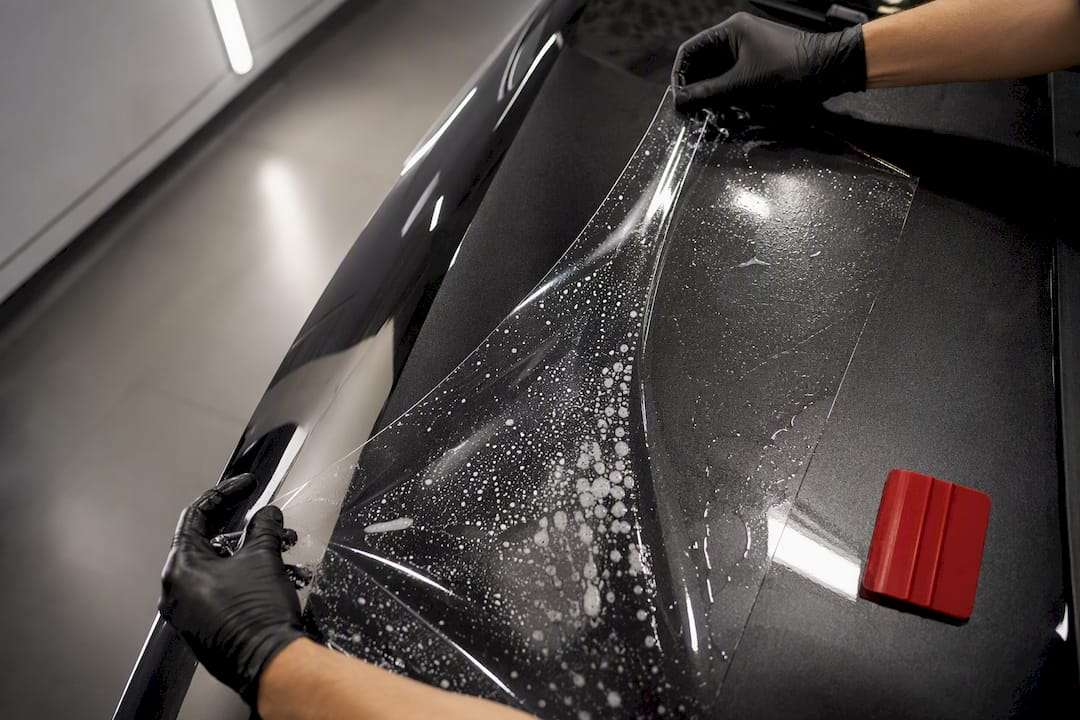
- Paint protection film is the only option built for impact protection. It absorbs rock chips and road debris on the hood, bumper, mirrors, and rocker panels rather than just resisting chemicals or UV.
Combining PPF on impact zones with a ceramic coating over the film and surrounding panels is increasingly the standard approach for new cars. Maintain the routine with proper wash technique and pH-neutral soap, since maintaining a coated finish properly extends its lifespan far more than the coating alone.
What Drives the Cost of a New-Car Detail
A basic new-car prep package (wash, clay decontamination, and a coat of sealant or wax) sits at the low end of the pricing scale. Add paint correction, and the price climbs based on how many hours it takes to fix swirls across the whole car. Ceramic coating adds another jump, and PPF is the biggest cost driver of all since it’s priced by coverage area and requires far more install time than any other service.
Several factors swing your quote: vehicle size, how much correction the paint actually needs, how much of the body gets filmed, the materials the shop uses, and even shop location and technician experience. New-vehicle detail packages at specialty shops commonly bundle decontamination and wheel care as the base, with coating or film offered as an upgrade tier according to Pristine Detailing, and pricing varies widely across the industry depending on what’s included according to Carfax.
Always ask for a written price breakdown by task, plus the warranty terms on any coating or film before you sign off.
How to Pick a Professional Detailer for a New Car
Not every shop that calls itself a detailer does decontamination and correction the right way. Vet before you book.
- Ask if they’re a certified installer for the film brand they use (an XPEL authorization, for example, signals real training).
- Request an in-shop portfolio of before-and-after photos on similar vehicles.
- Confirm the warranty terms on coatings and PPF in writing, not verbally.
- Ask exactly what decontamination steps happen before correction or protection.
- Ask how long cure time takes before the car can get wet or drive in rain.
Red flags: a shop that skips decontamination, gives a vague scope of work, or claims it can coat your car “instantly” with no correction step first. That’s a shortcut that shows up as swirls trapped under a coating six months later.
PPF Pros Perspective: Our First-30-Days Approach
We inspect and decontaminate every new car before touching anything else, then install film on impact zones and finish with a ceramic coating for even gloss across the vehicle. Dealer swirls and rail dust show up on delivery more often than owners expect. Premium materials and precision installation only pay off when the prep underneath them is right. Ask any shop, including ours, for a written scope, photos, and a stated warranty before you commit.
— Jake
How Ppfprosla Handles New-Car Protection
Ppfprosla is the alternative to guessing your way through new-car protection: instead of piecing together a wax here and a coating there, you get one shop that handles decontamination, correction, film, and ceramic coating under a single roof with XPEL Authorized materials and a written scope for every job.
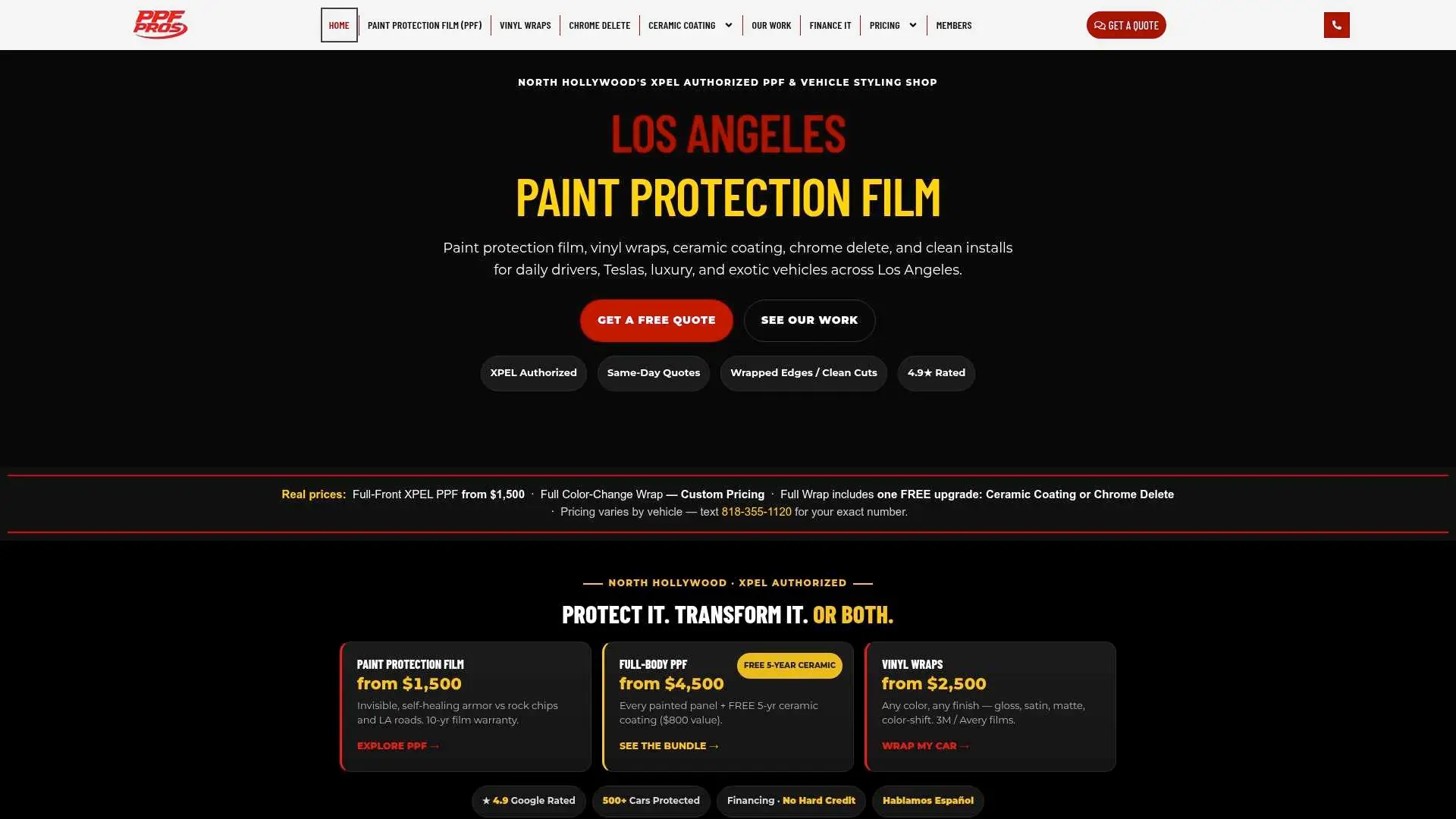
If your car needs impact protection on the nose and mirrors, the Full Front PPF package runs $2,199 one-off. For full-body coverage, Full Vehicle PPF starts from $4,500. If you want the uniform gloss and easier wash routine that comes with a long-term coating, the Ceramic Coating service is priced on request based on your vehicle and coverage needs.
Bring your new car in for an inspection before you decide on anything. Ask to see the shop bay, request a before-and-after portfolio, and get the warranty terms on paper. Then book your prep and protection as one job instead of three separate appointments.
Sources
- Should You Wax A Brand New Car? What Detailers Recommend | Chemical Guys
- New Car Detailing Checklist: What to Do in Your First 30 Days – Car Detox
- New Car Paint Protection Checklist | Obsidian Auto
- New Vehicle Detailing | Pristine Detailing | Allentown, PA
FAQ
Is It Worth Detailing a New Car?
Yes. New cars carry transport contaminants like rail dust and dealer wash swirls that a proper detail removes before they get sealed under wax or coating, according to Car Detox. Skipping it means those flaws stay locked in for years.
How Much Does a Full Car Detail Usually Cost?
Pricing varies widely depending on vehicle size, correction time, and what protection you add, since a basic wash-and-wax prep costs far less than a job that includes ceramic coating or PPF according to Carfax. A written breakdown by task is the only reliable way to compare quotes between shops.
How Much Should You Tip on a $200 Car Detail?
Tipping norms vary by region and shop, and there’s no universal standard rate for detailing the way there is for restaurant service. Many owners tip a customary amount for exceptional work, but check with the shop directly since some detailers build gratuity policies into their pricing.
Should You Wax a New Car Right Away?
You can protect factory paint shortly after delivery once it’s properly washed and decontaminated. There’s no need to wait 60 to 90 days, since that advice applies to older single-stage paint systems rather than the baked clear coats on most cars today, according to Chemical Guys.
What Does PPF Pros Include in a New-Car Detail?
Ppfprosla handles decontamination, correction if needed, and offers Full Front or Full Vehicle PPF alongside ceramic coating for long-term protection. Full Front PPF is priced at $2,199 one-off, and current pricing for other services is available on the PPF Pros site.