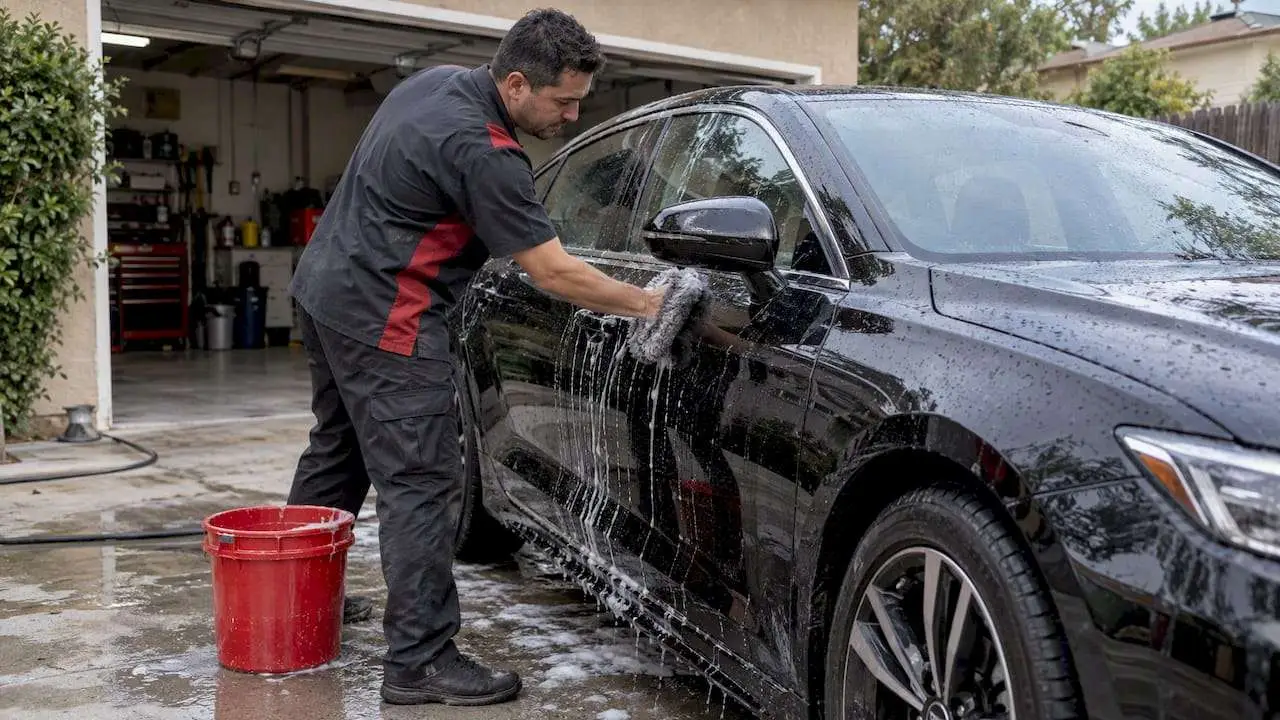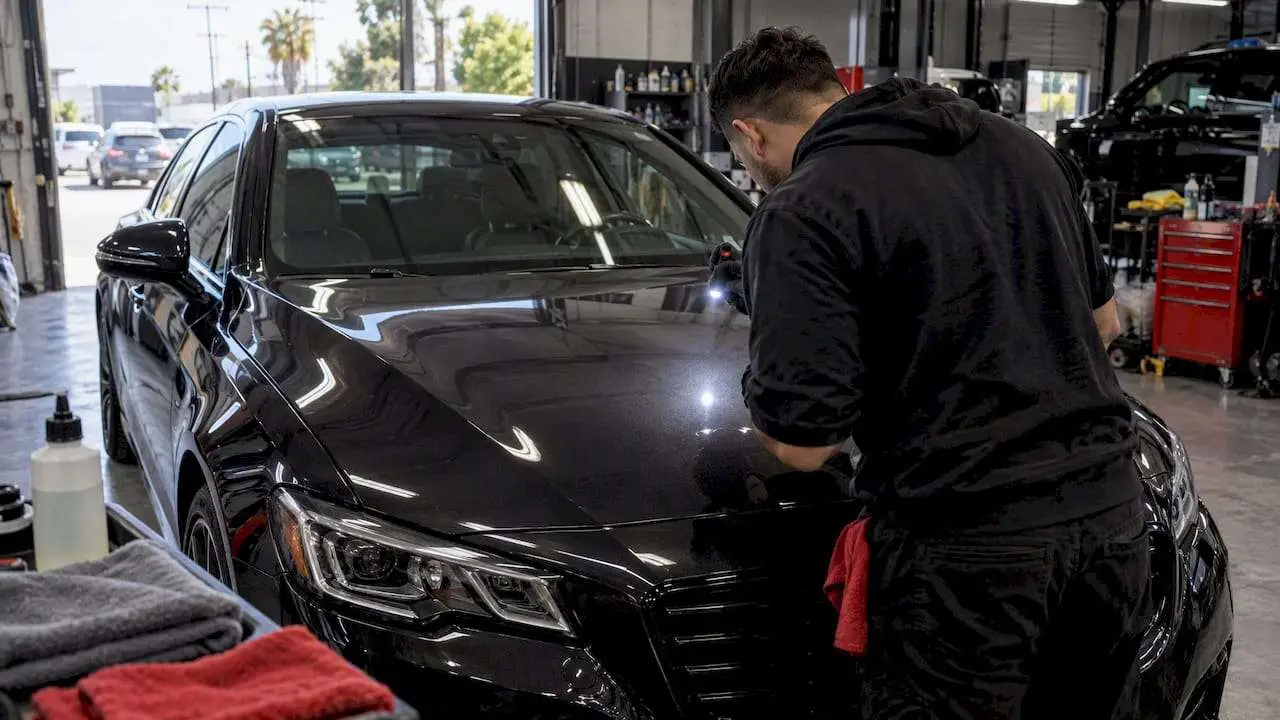

Most drivers who want a color change and plan to keep their car three to seven years come out ahead with a vinyl wrap. It’s reversible, faster to install, and opens up finishes paint can’t touch. Paint still wins when you want permanence: a quality repaint runs 10 to 15-plus years before it needs real attention, while even a premium wrap tops out around 5 to 7 years.
TL;DR:
- Vinyl wraps cost around $2,000 for basic colors and specialty finishes increase the price significantly, whereas repaint costs depend on bodywork needed and can be higher overall.
- Wraps typically last 5 to 7 years, with premium films potentially exceeding that, while quality paint can last 10 to 15 years or more before fading or peeling occurs.
- Wraps can be installed in 3 to 5 days and easily replaced or repaired on individual panels, unlike repainting which takes 3 to 6 weeks and requires blending or repainting entire areas.
- Wrap finishes excel at chrome, color-shift, matte, or custom graphics, but paint offers greater depth, gloss, and flawless coverage on complex curves for show-quality results.
- Proper maintenance for wraps involves gentle hand washing and avoiding automatic brushes, while paint requires regular waxing and occasional correction to maintain optimal appearance.
Table of Contents
- Vinyl Wrap vs Paint: Cost, Lifespan, and Turnaround at a Glance
- What Does Vinyl Wrap vs Paint Actually Cost?
- How Long Does a Wrap Really Last Compared to Paint?
- Which Finishes Look Better in Wrap vs Paint?
- When Should You Choose Paint Over a Wrap?
- How Do You Maintain a Wrap vs a Painted Car?
- Wrap or Paint? A Quick Decision Checklist
- What Installers Actually Check Before Recommending a Wrap
- What Does Repairing or Touching Up Each Option Cost?
- A Shop-Backed Take on Wrap vs Paint
- Ready for a Professional Opinion? Here’s What PPF Pros Offers
- Sources
- FAQ
Vinyl Wrap vs Paint: Cost, Lifespan, and Turnaround at a Glance
The two options split cleanly once you line them up against the factors that actually drive a decision.
- Cost: Wraps often start around $2,000 and climb with specialty film. Quality repaints usually cost more once you factor in prep and clear coat.
- Lifespan: Wraps typically last 5 to 7 years; paint holds up 10 to 15-plus years.
- Turnaround: A full wrap takes about 3 to 5 days; a proper repaint takes 3 to 6 weeks with prep and curing.
- Finishes: Wraps deliver chrome, color-shift, and matte finishes paint can’t easily replicate. Paint delivers depth and gloss that hold up better up close.
- Maintenance: Wraps need gentler washing; paint tolerates more aggressive correction over time.
- Reversibility: Wraps peel off and restore factory paint underneath. Paint is permanent once applied.
Climate and installer skill swing every one of these numbers, sometimes by years on either side.
What Does Vinyl Wrap vs Paint Actually Cost?
Wrap pricing depends on film brand, finish complexity, and how much of the car gets covered. A basic single-color wrap on a sedan lands in the low thousands, but specialty finishes like chrome or color-shift push the price up substantially because the film itself costs more and takes longer to install around curves and door jambs. Repaint pricing depends on how much bodywork is required before color goes on: sanding, priming, base coat, and clear coat all add labor hours, and a color-matched, multi-stage finish costs more than a single-stage job.
Here’s where costs hide:
- Paint correction before wrapping. Swirls or oxidation under a wrap show through, so shops often recommend paint correction first.
- Removal costs. Pulling an old wrap before a re-wrap or repaint adds labor, especially on films left on past their rated lifespan.
- Panel repairs after an incident. A scraped bumper under a wrap still needs the panel fixed before new film goes on.
Cheap wrap jobs and bargain paint jobs fail the same way: thin film or thin clear coat gives up early, usually within a year or two.
How Long Does a Wrap Really Last Compared to Paint?
A well-installed vinyl wrap holds its color and finish for about 5 to 7 years under normal driving conditions, and premium films can stretch past that with careful upkeep. Quality paint, by contrast, commonly runs 10 to 15 years or more before clear coat failure or noticeable fading sets in.
Statistic snapshot: Wrap lifespan averages 5 to 7 years; quality paint averages 10 to 15-plus years, roughly double.
Exposure changes both numbers. Horizontal panels like the hood and roof take the most UV and fade or lift faster than vertical panels like doors. High UV or high altitude accelerates wrap degradation, which is why installers in sun-heavy regions often push higher-grade film and a ceramic topcoat rather than the standard grade. When damage happens, a wrap panel gets re-wrapped at a fraction of what a full repanel repaint costs, while a deep paint scratch often means blending into adjacent panels to avoid a visible line.
Which Finishes Look Better in Wrap vs Paint?
Vinyl handles effects that would take a specialty paint booth and a lot of money to pull off in liquid form. It excels at:
- Chrome and mirror finishes
- Color-shift and pearlescent effects
- Printed or custom graphics
- Brushed metal and satin textures
- Matte and flat colors without the maintenance headaches of matte paint
Paint still leads where depth and flawlessness matter most: layered custom paint jobs, show-quality clear coat with real optical depth, and flawless coverage across compound curves where film has to stretch and could show tension lines. A common middle path is painting the base color and wrapping accents, stripes, or a roof. That combination needs the paint fully cured before any film goes down, since fresh paint can trap solvents under vinyl.
When Should You Choose Paint Over a Wrap?
Paint is the right call when the vehicle itself needs work before any finish goes on. Rust, dents, or failing clear coat all require bodywork first, and wrap only hides those problems temporarily. If you’re keeping the car for a decade or more, or restoring a classic, paint’s permanence and depth make more sense than committing to multiple wrap cycles over that span. Insurance-driven repairs also point toward paint by default: most collision claims are settled with a repaint of the damaged panel, not a wrap, since insurers standardize on factory-finish restoration rather than film.
How Do You Maintain a Wrap vs a Painted Car?
Wraps and paint both survive longer with the right wash habits, but the rules aren’t identical.
- Wraps: Skip automatic brush car washes; the bristles lift edges over time. Hand wash or use a touchless wash, keep pressure washers at a safe distance and angle, and stick to pH-neutral soap.
- Paint: Wax or seal every few months, and save aggressive polishing compounds for real correction work, not routine cleaning.
- Both: A ceramic coating adds a sacrificial layer that resists UV and swirl marks, extending the life of whichever finish sits underneath. Regular reapplication and proper aftercare keep that protection working as intended.
The fastest way to kill a wrap early is leaving it on well past its rated lifespan, since old film gets brittle and harder to remove cleanly.
Wrap or Paint? A Quick Decision Checklist
- How long will you own the car? Under 7 years and want a change, lean wrap. Over 10 years or keeping it for good, lean paint.
- What look do you want? Chrome, matte, or graphics point to wrap. Deep, layered gloss points to paint.
- What’s the current paint condition? Rust or heavy oxidation means repair the body first, then decide between wrap and paint.
- What’s your budget and downtime tolerance? Wraps generally cost less upfront and finish in days; a quality repaint costs more and takes weeks.
What Installers Actually Check Before Recommending a Wrap
Before quoting a wrap, a competent installer checks paint adhesion, hunts for soft spots in the clear coat, and flags any prior repairs that might not hold film well. Ask what film brand they’re running. Names like 3M and Avery Dennison, and factory-authorized programs like XPEL, signal the shop is working with material backed by real warranties, not unbranded film off a roll.
Pro Tip: Ask your installer about post-heat technique on stretched panels. Manufacturer specs from Avery Dennison detail exact temperature and timing for this step, and skipping it is the most common reason wraps develop “return memory,” where stretched film slowly pulls back from edges months later.

What Does Repairing or Touching Up Each Option Cost?
Wrap repairs are usually cheaper and faster because film is modular. A scratched or peeling panel gets re-wrapped on its own without touching the rest of the vehicle, and most shops price that per panel rather than per job. A single door or fender re-wrap is a same-day fix in most cases, and because the factory paint sits protected underneath, there’s nothing to blend or match. That’s the real advantage of reversibility: damage to the wrap rarely means damage to the car itself.

Paint touch-ups are trickier. Small chips can sometimes be handled with a matched touch-up pen, but anything beyond a pinpoint scratch usually needs a professional blend into surrounding panels to avoid a visible color or texture mismatch, especially with metallic or pearl finishes. That blending work adds labor hours beyond just the damaged area, since a painter has to feather the new coat into old paint that’s already faded slightly from UV exposure. Deep scratches that hit primer or bare metal also risk rust if they sit unrepaired, which turns a simple touch-up into a bigger bodywork job. In both cases, the type of damage and how quickly you get it fixed matters more than which finish you originally chose. A wrap scuffed and repaired promptly costs far less than a paint job left to weather for a season before anyone deals with it.
A Shop-Backed Take on Wrap vs Paint
Most owners overthink this decision. Ask yourself two questions: how long are you keeping the car, and do you want a look paint can’t easily do? That answers it nine times out of ten. Realistic expectations matter more than brand loyalty to either method: a wrap needs gentle washing and a defined shelf life, and paint needs periodic correction to stay sharp. Neither is maintenance-free, and anyone who tells you otherwise is selling something.
— Jake
Ready for a Professional Opinion? Here’s What PPF Pros Offers
Reading about wraps and paint only gets you so far. What actually determines the right call is the condition of your paint right now, and that’s not something you can judge from photos. PPF Pros runs a hands-on inspection before recommending anything, checking for the soft spots, prior repairs, and clear coat issues that decide whether wrap, paint, or a repair job comes first.
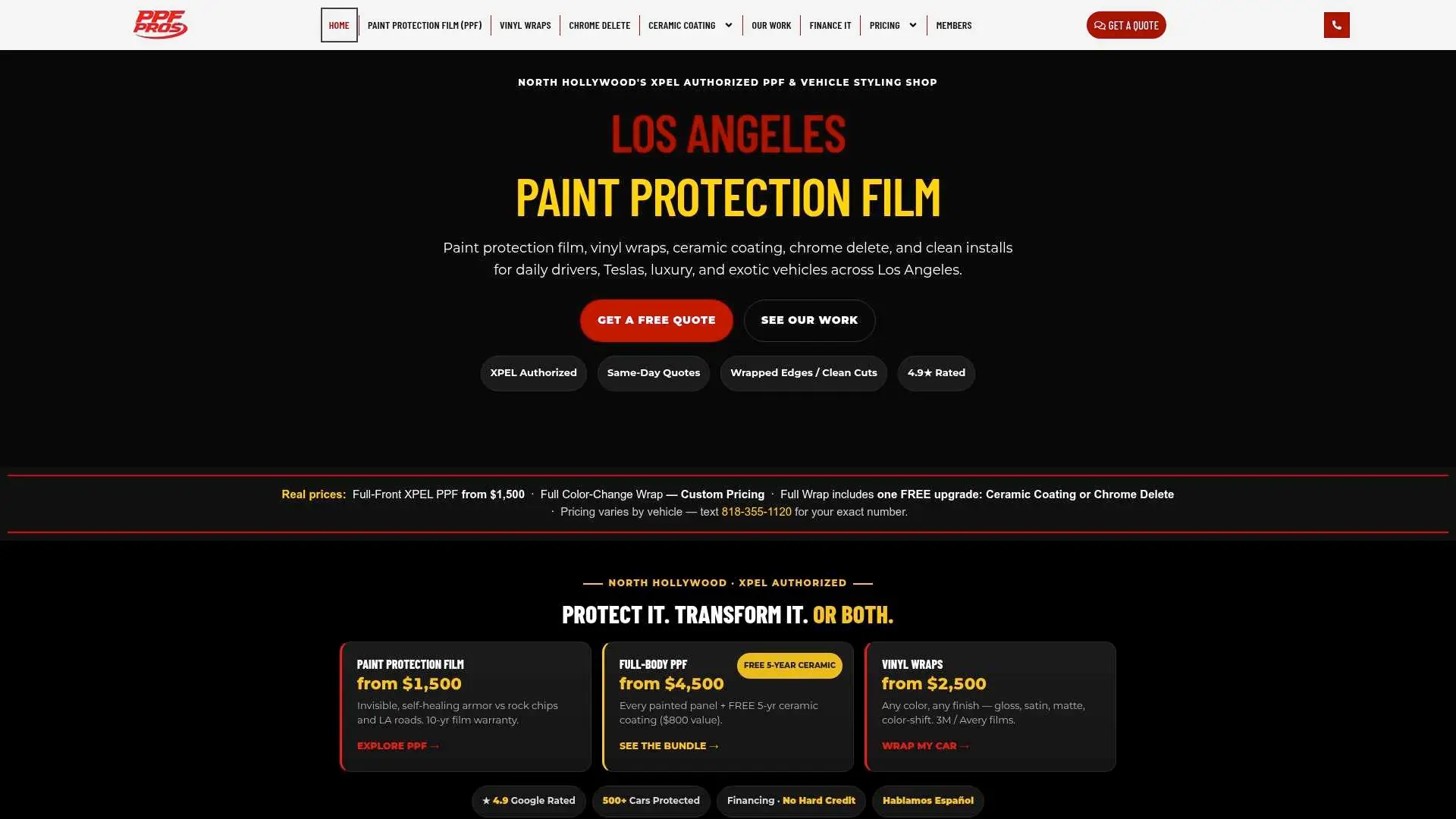
The shop’s vinyl wrap service covers full color changes and specialty finishes using premium film, with the Full Color Change Wrap starting from $2,800. For owners weighing protection alongside style, ceramic coating pairs with either wrap or factory paint to extend the life of whichever finish you land on. If cost is the deciding factor, the Full Front package runs $2,199 and gives you a real number to plan around instead of a guess. Get a free quote and let a real inspection settle the wrap versus paint question for your specific car.
Sources
- Vinyl Wrap vs Paint: Which Is Better for Your Vehicle?
- Vehicle wrap vs paint
- Car Wrap vs. Paint: Which Is Better?
- Car Wrap vs Repaint in 2026: Cost, Durability & Resale Value Compared
FAQ
What Are the Downsides of Vinyl Wrapping a Car?
Wraps require gentler washing, can show edge lifting if installed poorly, and top out around 5 to 7 years before needing replacement. They also won’t hide existing paint damage; problems underneath still need repair first.
Can a Wrapped Car Go Through a Carwash?
Hand washes and touchless carwashes are safe for a wrapped car, but automatic brush washes can lift film edges over time. Stick to pH-neutral soap and keep pressure washers at a safe distance and angle.
Why Do People Get Their Car Wrapped Instead of Painted?
Wraps are reversible, faster to install, and open up finishes like chrome or color-shift that paint struggles to match. They’re also generally the lower upfront cost route for a color change, without touching the factory paint underneath.
Is It Cheaper to Vinyl Wrap or Paint a Car?
Wrapping is usually the more affordable route, with professional wraps often starting around $2,000 versus the higher labor and material costs of a quality multi-stage repaint. PPF Pros lists its Full Color Change Wrap starting from $2,800 for reference.