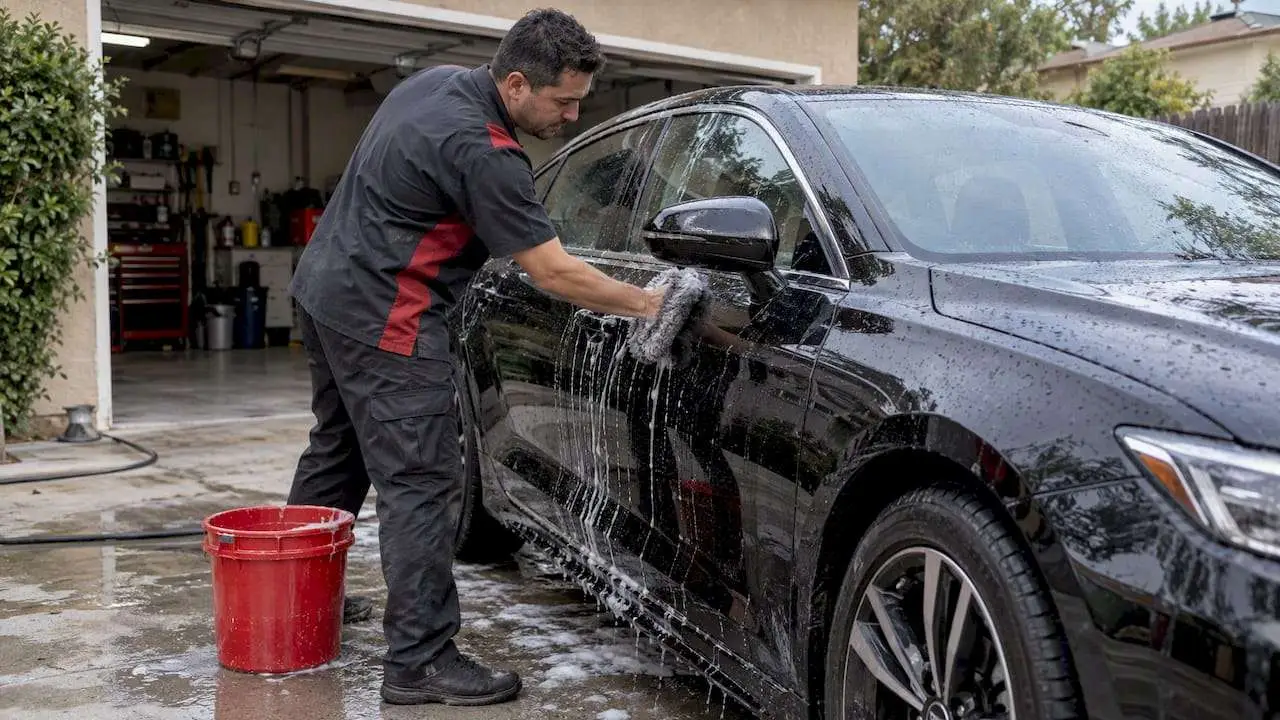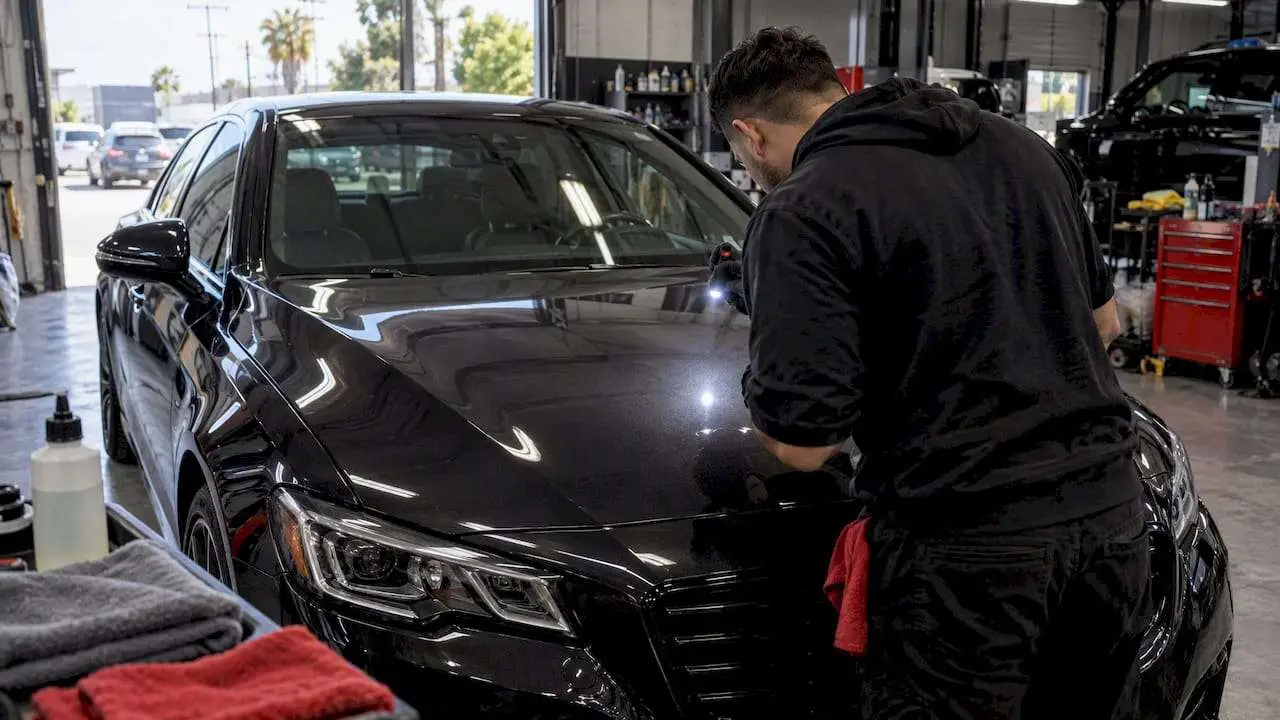

Wheel ceramic coating is worth it for most daily drivers and enthusiasts who deal with heavy brake dust, because it stops that dust from bonding tightly to the finish, and cleaning becomes a rinse instead of a scrub. It is not a shield that blocks dirt from landing. The realistic lifespan varies and is generally time-limited, and prep work, not the product label, decides which end of that range you land on.
TL;DR:
- Ceramic coating significantly reduces brake dust bonding, making cleaning faster and easier, especially on multi-spoke or show wheels.
- Proper prep with iron removers, polishing, and alcohol wipe-downs is critical, as poor preparation leads to early coating failure regardless of product quality.
- Full curing takes several weeks, with best results achieved in a dust-free environment at moderate temperatures; curing speed depends on heat and humidity.
- Lifespan varies from 4–8 months for DIY kits to 12–18 months for professional applications, with track use halving these durations.
- Professional coating installation ensures thorough prep and application, especially for high-value or difficult finishes, reducing failure risks associated with rushed DIY work.
Table of Contents
- What Are the Real Benefits of Ceramic Coating for Wheels?
- What Is Wheel Ceramic Coating, and Will It Work on Your Finish?
- How Do You Prep and Apply Ceramic Coating on Wheels?
- How Long Does Wheel Ceramic Coating Take to Cure?
- How Long Does the Coating Actually Last?
- Should You Coat Your Wheels Yourself or Hire a Pro?
- Why Shops See More Failures From Prep Than From Products
- How PPF Pros Handles Wheel Ceramic Coating in North Hollywood
- Sources
- FAQ
What Are the Real Benefits of Ceramic Coating for Wheels?
Coating changes how dust and grime interact with the wheel surface, not whether they touch it at all. Brake dust still lands on a coated wheel. It just doesn’t fuse to the clear coat or bare alloy the way it does on an untreated surface, since the hydrophobic layer reduces bonding strength so contaminants rinse off with far less scrubbing.
That single mechanism drives several practical wins:
- Faster wash days: a hose and wheel-safe soap replace stiff brushes and acid-based cleaners.
- Chemical resistance against brake dust, road salt, and iron fallout that would otherwise etch bare metal.
- A wet-look shine that holds up between details, especially on gloss or polished finishes.
Coating pays off most on daily drivers with multi-spoke wheels (more surface area for dust to grab), show cars, and anything with an expensive or hard-to-replace finish. It matters less on wheels headed for track duty only, wheels close to replacement anyway, or cars owned by someone who already details weekly and doesn’t mind the scrub.
What Is Wheel Ceramic Coating, and Will It Work on Your Finish?
True ceramic coatings are silicon dioxide (SiO2) based, cross-linking into a hard, glass-like layer that resists heat and chemical attack better than anything else on the market. Hybrid and polymer formulas trade some of that durability for an easier application and a shorter cure window, which fits a driver who wants less maintenance without a full weekend project.
Compatibility depends on the finish underneath:
- Painted and powder-coated wheels: excellent candidates, straightforward prep.
- Gloss black and polished finishes: coating amplifies the shine but shows swirl marks if the surface wasn’t corrected first.
- Matte wheels: need a matte-specific formula, or the coating will add unwanted gloss.
- Chrome: works, but chrome’s own finish is already slick, so gains are smaller.
Wheels run hotter than body panels and take a direct hit from brake dust, which is why wheel-specific or high-temp formulations hold up better than a generic paint coating repurposed for wheels. Calipers need their own high-temp product if you’re coating them too. Never coat brake rotors or pad contact surfaces.
How Do You Prep and Apply Ceramic Coating on Wheels?
Pulling the wheels off the car is the gold standard, since it opens access to the barrels and the backs of the spokes and keeps overspray away from brake components, a point echoed in professional application guidance for wheel-off work. Wheel-on application works fine for a quick refresh on wheels that are already clean and lightly contaminated.
The full prep and application sequence looks like this:
- Wash with a wheel-safe cleaner to strip loose grime and old sealant.
- Apply an iron remover and watch for the purple bleeding reaction that confirms embedded brake dust is dissolving.
- Clay bar any remaining bonded contamination the iron remover didn’t touch.
- Polish out oxidation or swirl marks if the finish needs correction before you lock anything in.
- Wipe the entire surface down with isopropyl alcohol (IPA) to strip oils and residue, since DIY guides consistently flag this step as the one people skip and regret.
- Apply coating to one spoke or section at a time, tracking flash time closely.
- Buff off high spots before the product fully sets, working section by section rather than the whole wheel at once.
Work in a dust-free space, ideally 60 to 80°F with low humidity, and out of direct sunlight, since heat speeds up flash time and can leave streaking. Keep coating off brake rotors, pads, and calipers unless you’re using a dedicated caliper product.
Pro Tip: Balance your wheels and swap to clamp-on weights before coating, not after. Stick-on weights won’t adhere properly to a coated surface, and you’ll be fighting adhesion failures every time one falls off.

How Long Does Wheel Ceramic Coating Take to Cure?
Curing happens in stages, and rushing any of them is the fastest way to ruin a fresh application. Most products are safe for tire remounting after 2 to 4 hours and can handle light water exposure after 24 to 48 hours, timelines confirmed by detailed curing guidance for wheel applications. Full chemical cure, where the coating reaches its final hardness and hydrophobic performance, takes several weeks.
Expect the beading and slickness to actually improve over that curing period rather than peak on day one. Heat speeds curing along; cold and high humidity slow it down and can leave a soft, tacky finish that traps dirt. Avoid harsh chemical washes, road salt exposure, and highway driving with heavy brake use during the first two days.
How Long Does the Coating Actually Last?
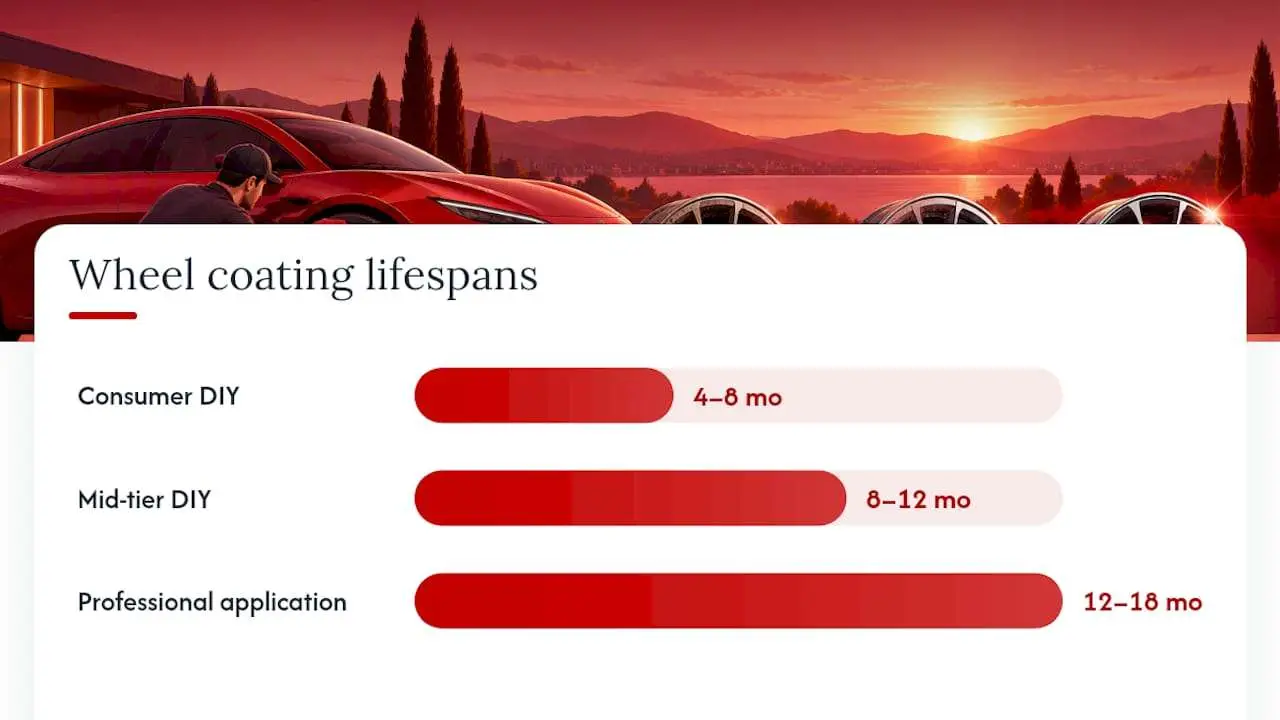
Lifespan splits cleanly by product tier and how the wheels get used. Consumer DIY kits run 4 to 8 months, mid-tier DIY products stretch to 8 to 12 months, and professional-grade applications with proper prep deliver 12 to 18 months of real protection, sometimes longer on a garage-kept car. Track use cuts all of those numbers by roughly 30 to 50 percent, since sustained brake heat breaks down the coating faster than street driving ever will.
A rinse or light wash every two to four weeks, paired with an iron remover treatment every 3 to 6 months, keeps beading strong and matches the maintenance rhythm recommended for protecting alloy wheels with ceramic coatings. A quick detail spray between washes revives hydrophobic behavior without a full reapplication.
Watch for these signs it’s time to redo the coating:
- Water stops beading and starts sheeting flat across the surface.
- Cleaning takes noticeably more scrubbing than it used to.
- Etching, staining, or dull patches show up despite regular washing.
You can find a fuller breakdown of these failure signs and reapplication timing in this guide on coating lifespan.
Should You Coat Your Wheels Yourself or Hire a Pro?
DIY makes sense on newer wheels that are already clean, and for owners willing to follow every prep step without shortcuts. The upfront cost is lower, but you’re trading that savings against a shorter lifespan if any part of the sequence gets rushed.
A professional install earns its price on:
- Dark, matte, or expensive finishes where mistakes are costly to fix.
- Wheels with heavy, long-term brake dust buildup that needs real correction first.
- Barrels and calipers, areas that are difficult to access without pulling wheels.
- Anyone without a dust-free, temperature-controlled space to let the coating cure undisturbed.
If your wheels have swirl marks or oxidation, it’s worth checking whether correction work should happen before coating goes on, since coating locks in whatever condition the surface is in when you apply it.
Why Shops See More Failures From Prep Than From Products
The failure pattern we see most in the shop isn’t a bad product. It’s rushed IPA wipe-downs, skipped iron treatment, or coating applied over lingering oils. Heat cycling from aggressive braking breaks down even solid coatings faster than owners expect, and the products that hold up in real conditions are almost always paired with a thorough prep, not just a premium price tag.
— Jake
How PPF Pros Handles Wheel Ceramic Coating in North Hollywood
If you’d rather skip the flash-time guesswork and the risk of a stick-on weight ruining your first coat, PPF Pros gives you a controlled shop environment that most home garages can’t match. Wheels come off the car, get the full iron-removal and clay treatment, and cure in a dust-free bay instead of your driveway.
Our ceramic coating service covers the same prep sequence outlined above, done by hands that do it daily on daily drivers, Teslas, and exotics alike. Barrels, spokes, and calipers all get proper attention, which is hard to pull off solo without a lift. If you’re weighing coating against a bigger protection package, our PPF and wrap pricing guide breaks down bundled options too. Ready to see what your wheels need? Request a quote through the ceramic coating page and we’ll walk you through prep, timing, and what to expect before your next wash day.
Sources
- The essential guide to applying ceramic coating on wheels
- Ceramic coating for wheels — why it’s worth it, and which products actually hold up
FAQ
Is Ceramic Coating Worth It for Wheels?
Yes, for most drivers dealing with regular brake dust buildup, since it makes cleaning faster and protects against chemical staining. It’s less valuable on track-only wheels or ones close to replacement, where the durability trade-offs don’t pay off as clearly.
Can You Put Ceramic Coating on Rims?
Yes, ceramic coating works on painted, powder-coated, polished, and chrome rims, though matte finishes need a matte-specific formula. Compatibility depends more on picking the right product for the finish than on the rim material itself.
What Is the Best Ceramic Coating for Rims?
Professional-grade, wheel-specific formulas applied with full prep typically deliver 12 to 18 months of protection, outlasting most DIY kits. PPF Pros applies professional-grade coating with a wheel-off process through its ceramic coating service for readers who want that longer window without the DIY learning curve.
What Are the Negatives of Ceramic Coating?
It doesn’t stop brake dust from landing, only from bonding tightly, so wheels still need periodic washing. Coating applied over poor prep can fail early, and heavy track use or aggressive braking shortens its lifespan by roughly 30 to 50 percent compared to street driving.