
Professional wrap removal typically costs $500 to $1,500, with small partials running as low as $300 and heavily aged or oversized vehicles pushing past $2,000. DIY removal costs closer to $50 to $150 in supplies, but the real deciding factor is wrap age and adhesive condition, not price. If your wrap is more than five years old or the film looks brittle and sun-baked, hire a professional. Anything newer, a partial job is often fair game for a careful DIY attempt.
TL;DR:
- Wraps over five years old or with brittle, sun-baked film often require professional removal, which can cost between $500 and $1,500 depending on vehicle size and difficulty.
- The primary cost driver is how long the wrap has been exposed to UV light, with older films needing 50% to 100% more labor to remove.
- DIY removal is feasible for small, recent wraps using basic tools, but high risk of damage increases with wrap age, size, and stubborn adhesive.
- Professional removal typically takes three to five hours for sedans and up to a full day for SUVs or heavily aged wraps, with costs varying accordingly.
- Asking for a fixed labor cap, including adhesive cleanup, and providing photos in advance helps prevent unexpected charges and ensures accurate estimates.
Table of Contents
- How Much Does Wrap Removal Cost by Vehicle Size?
- What Actually Drives the Price Up or Down?
- Should You Remove a Wrap Yourself or Pay a Pro?
- How Long Does Professional Removal Actually Take?
- What to Ask Before You Book a Removal
- What Does a Real Removal Quote Look Like?
- When Is the Cost Worth It?
- Get an Accurate Wrap Removal Quote From Ppfprosla
- Where to Check Manufacturer Removal Guidance
- Sources
- FAQ
How Much Does Wrap Removal Cost by Vehicle Size?
Price scales with surface area and how stubborn the adhesive has become, which is why a shop won’t quote you a number over the phone without asking a few questions first. Regional shop data shows a clear pattern once you break it down by vehicle class and condition.
- Compact cars and small sedans: $400 to $700 standard condition, $700 to $1,000 for aged or difficult removal.
- Mid-size sedans: $500 to $900 standard, $900 to $1,500 when the film is brittle or heavily adhered, according to Perfection Autospa’s regional pricing table.
- SUVs and crossovers: $700 to $1,200 standard, $1,200 to $2,000 difficult.
- Pickup trucks: similar to SUVs, though beds and tonneau covers can add labor if wrapped separately.
- Vans and box trucks: $1,500 and up, largely driven by square footage rather than complexity.
- Partial wraps, like on hood, roof, mirrors, or two-tone accents, typically cost from low to mid hundreds of dollars depending on panel number and trim difficulty.
Printed commercial graphics, the kind used for fleet branding or business vehicles, often cost more to remove than plain color-change films. The ink layer and thicker cast vinyl used for outdoor durability tend to hold adhesive more aggressively, and Yelp’s cost guide notes that regional shops frequently quote commercial jobs at the higher end of their range for this reason. If you’re weighing a rewrap against full removal, it’s worth asking your shop for both numbers, since removing a worn wrap to install a fresh one, like a full color change wrap, sometimes costs less combined than each service billed separately.
What Actually Drives the Price Up or Down?
Two vehicles with the same wrap can cost wildly different amounts to strip, and it almost always comes down to how long the film sat in the sun.
- Age and UV exposure. Plasticizers in vinyl evaporate over roughly five to seven years, and the film turns brittle and starts flaking off in pieces instead of peeling in clean sheets. That single change in behavior is the biggest cost driver in the entire job.
- Film brand and quality. Premium cast vinyls from 3M and Avery Dennison tend to release from paint more predictably than budget films, which sometimes leave a sticky, uneven residue layer.
- Adhesive chemistry and installer choices. Some installers apply primers or edge sealers to keep wrap edges from lifting, and those same products can turn a routine removal into a scraping job.
- Vehicle complexity. Wraps stretched over compound curves, spoilers, and body creases take longer to release cleanly than flat panels.
- Paint and repair history. Older repaints or touch-up work underneath a wrap can react differently to heat and solvents than factory clear coat.
- Climate and storage. Vehicles kept outdoors in sun-heavy regions age faster than garaged ones, even at the same calendar age.
Wraps older than five years often need 50% to 100% more labor than a fresh one, and in extreme cases that gap triples the job time. That single statistic explains most of the price spread you’ll see between two quotes for what looks like the same job on paper.
Should You Remove a Wrap Yourself or Pay a Pro?
DIY removal is genuinely doable for the right wrap, but it’s a narrower window than most owners assume.
- Gather the right tools. A heat gun (not a hair dryer), plastic scrapers, a citrus-based adhesive remover, and a stack of microfiber towels cover most jobs, and the whole kit runs $50 to $150.
- Test a small hidden area first. Manufacturer guidance recommends heating vinyl to roughly 160°F to 200°F, a range hard to hit consistently with consumer tools, which is exactly why uncontrolled heat is the most common DIY failure point.
- Budget your time honestly. A partial wrap might take a few hours on a Saturday; a full wrap can eat an entire weekend for one person working alone.
- Know your risk tolerance. Cracked film, scorched clear coat, and gummy adhesive “bombs” that need industrial solvents are the three most common DIY disasters, and fixing burned paint afterward often costs more than the professional removal would have.
Pro Tip: If your wrap is under one to two years old and you’re only tackling a small partial, like a hood or roof, DIY is reasonable. Anything older, larger, or covering compound curves belongs with a shop that has experience with 3M and Avery Dennison films.
How Long Does Professional Removal Actually Take?
Labor hours depend almost entirely on vehicle size and wrap condition, which is why shops quote hourly rather than flat in most cases. A sedan in good condition might take three to five hours; an SUV with a brittle, sun-damaged wrap can stretch past a full day.
The process itself follows a predictable sequence:
- Inspection to check film condition, edge lifting, and any prior repairs underneath.
- Controlled heating to soften adhesive without overheating the paint, following 3M’s removal procedures.
- Peeling at a low, steady angle to avoid tearing the film into small pieces.
- Adhesive cleanup using solvents matched to the film’s chemistry.
- Surface prep, and optionally paint correction or polish if residue left dulling behind.
Perforated window films, heavy trim, and brittle vinyl that shatters on contact are the usual reasons a job runs long.
What to Ask Before You Book a Removal
A vague quote is how owners end up with a surprise bill, so come to the estimate with specific questions.
- Ask for the hourly rate and whether adhesive cleanup is included, since some shops bill it separately.
- Ask about their paint-correction policy if residue or minor clear-coat dulling turns up during the job.
- Request a labor cap, a maximum price the shop won’t exceed even if the job runs long, which protects you from open-ended hourly billing.
- Ask what warranty, if any, covers their workmanship.
- Send photos of the wrap and mention the film’s age or brand if you know it, since this alone can tighten the estimate before you ever visit the shop.
That cushion covers the adhesive surprises that only show up once the heat gun starts working.
What Does a Real Removal Quote Look Like?
Ppfprosla, an XPEL Authorized shop in North Hollywood, scopes removal jobs the same way manufacturer bulletins recommend: inspect first, quote second. A typical example is a mid-size sedan with a four-year-old color-change wrap, still within the film’s practical working life but old enough that adhesive has started to set.
- The quote includes a visual inspection for edge lifting and clear-coat condition before any heat touches the panel.
- Labor is billed with an optional cap, so the price doesn’t balloon if the job runs longer than expected.
- Adhesive cleanup is part of the base quote, not an upsell.
- Customers who install through Ppfprosla and keep records of the original job often see faster estimates, since the shop already knows the film brand.
- Customers may have the option to add ceramic coating after wrap removal for added paint protection.
When Is the Cost Worth It?
If the wrap is past five years or you’re planning to sell the car, pay for professional removal. A scorched clear coat costs far more to fix than the removal would have.
— Jake
Get an Accurate Wrap Removal Quote From Ppfprosla
If you’ve been comparing DIY heat guns against a shop’s hourly rate, here’s the honest tradeoff: DIY saves money upfront but puts your clear coat at risk, while a shop quote with a labor cap gives you a fixed ceiling and adhesive cleanup baked in. Ppfprosla builds every removal estimate around that same structure, whether the job is a straightforward partial or a wrap that’s aged past its warranty life.
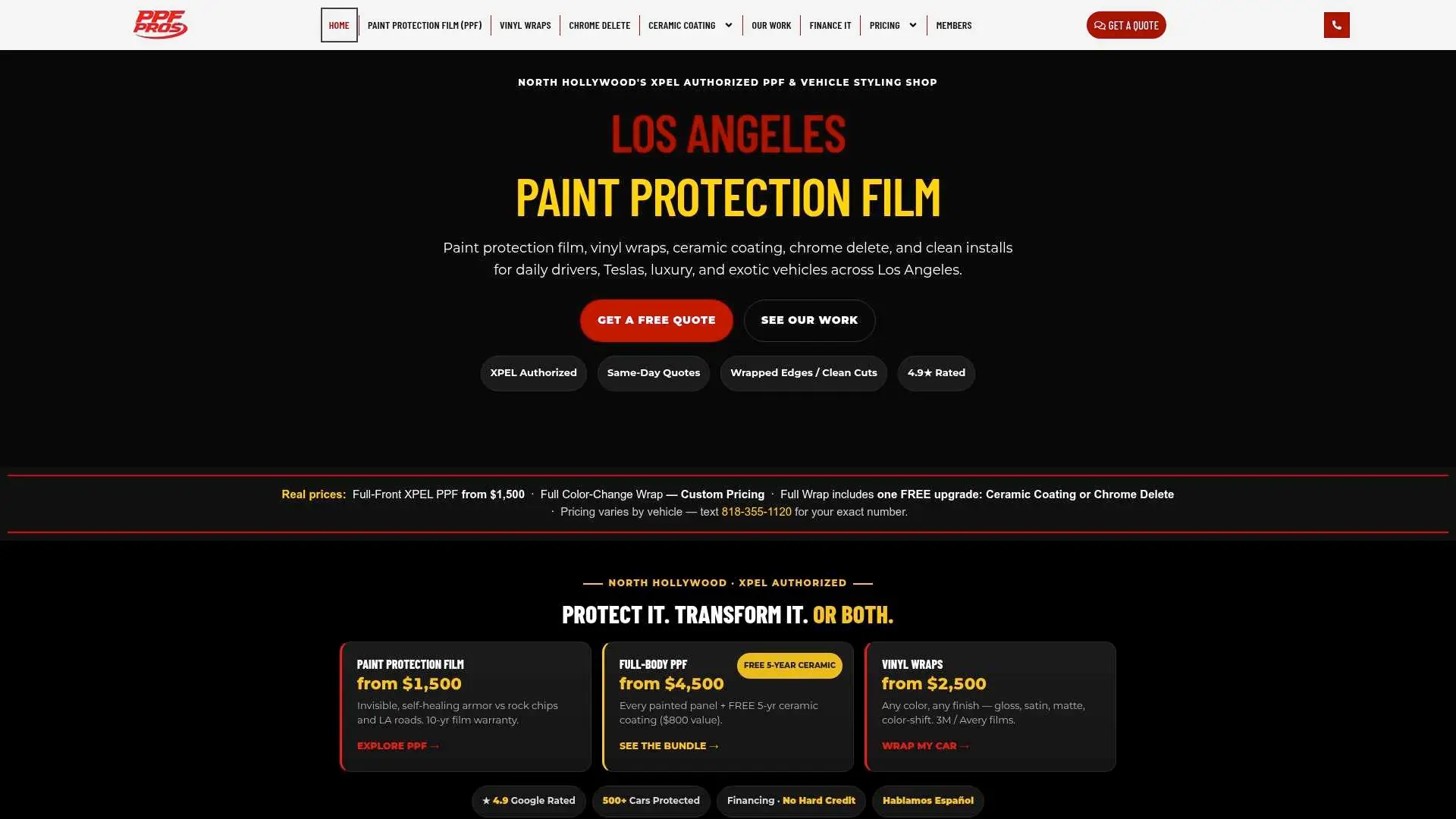
The shop’s full front PPF and wrap pricing page breaks down what removal and reinstallation cost side by side, so you’re not guessing which route makes more sense. If you’re removing a wrap to switch to something new, a full color change wrap starts at $2,800, and if you’d rather protect bare paint afterward, paint protection film packages start at $4,500 for full vehicle coverage. Send photos of your current wrap and its approximate age, and Ppfprosla can give you a labor-capped estimate before you book anything.
Where to Check Manufacturer Removal Guidance
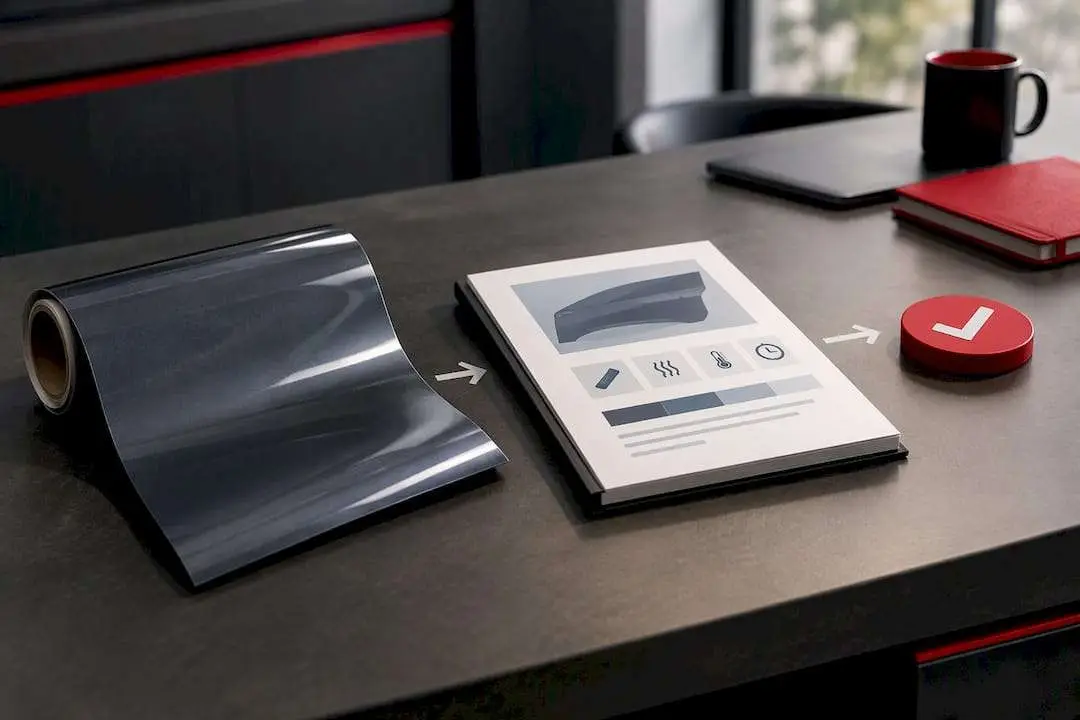
For safe removal technique straight from the source, consult 3M’s removal instruction bulletin and Avery Dennison’s instructional bulletins. Regional pricing guides, like VinylWrapRo’s cost breakdown, fill in the budgeting side.
Sources
- 3M instruction bulletin: removal of vehicle wrap film
- Cost of removing a car wrap — RM Window Tint
- How much does wrap removal cost in the USA? — VinylWrapRo
FAQ
How Hard Is It to Remove a Wrap?
It depends almost entirely on age. A wrap under two years old often peels off in large, clean sheets with moderate heat, while a wrap past five years can flake apart piece by piece, which is why older films require significantly more labor.
Does Removing a Wrap Damage the Paint?
It can, but usually only when heat is applied unevenly or too hot, or when a scraper digs into the clear coat safely. Following manufacturer-recommended heat ranges and letting a professional handle brittle or aged film keeps that risk low.
Does a Car Lose Value If You Wrap It?
A well-installed, well-maintained wrap generally protects the factory paint underneath and doesn’t hurt resale value on its own. The bigger risk to value comes from a botched removal that damages clear coat, which is why timing removal before the film fully ages matters.
Can a Wrapped Car Go Through a Carwash?
Most wraps handle touchless or hand washes fine, but automatic brush washes can lift edges and accelerate wear near seams over time. That accelerated wear is part of why older wraps in high-mileage daily use often need removal sooner than garage-kept vehicles.
What Does Ppfprosla Charge to Remove a Wrap?
Ppfprosla doesn’t publish a flat wrap removal price, since the cost depends on vehicle size and film condition, but current quotes are available directly through the Ppfprosla pricing page. Estimates typically include inspection, adhesive cleanup, and an optional labor cap.