A standard vinyl wrap will not stop rock chips. It changes color and covers paint, but it is not built to absorb impact, and a stone that hits wrap can chip or tear it just as it would chip bare paint. If a car already has chips, a wrap will not erase them either. Paint protection film (PPF) is the product made for chip protection, and chips should be dealt with before any film goes on.
This guide covers both sides of the question: what happens when rocks hit a wrap, what to do if you want a wrap on a car that is already chipped, and how to choose between vinyl, PPF or both.
TL;DR
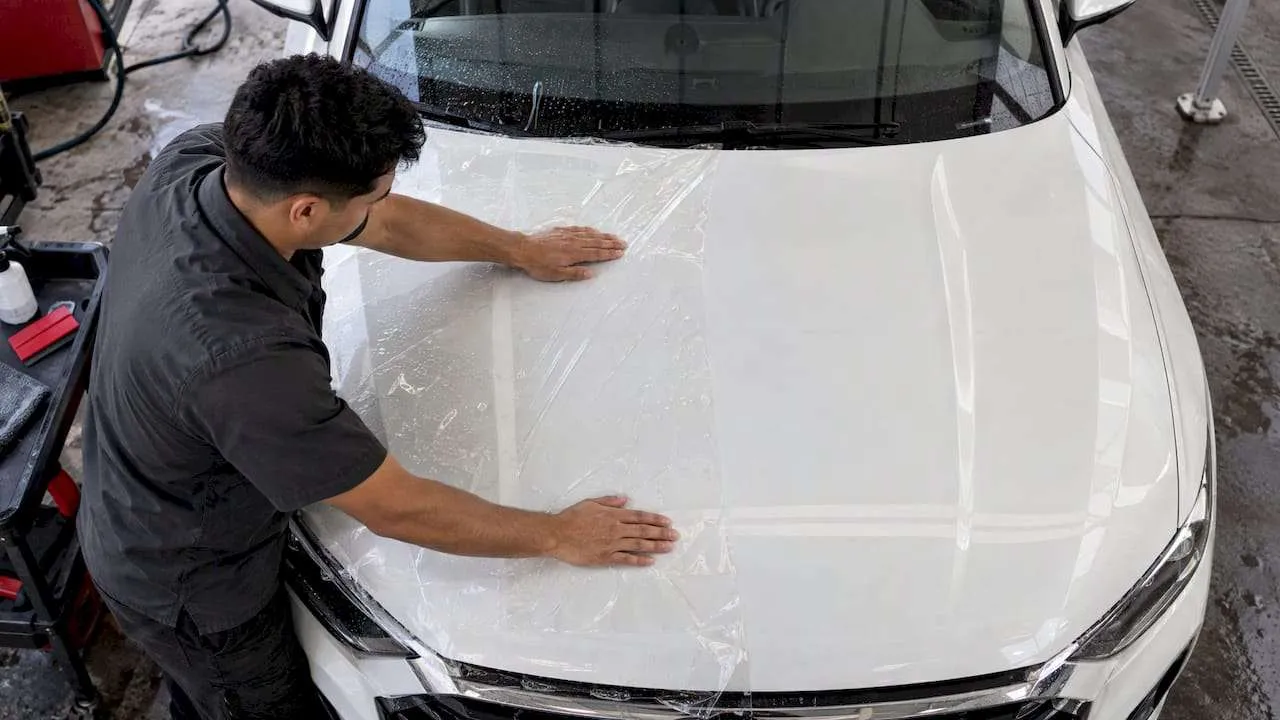
- Color-change vinyl is for looks. PPF is the standard answer for rock chips, typically 6 to 10 mils thick, and acts as a sacrificial layer.
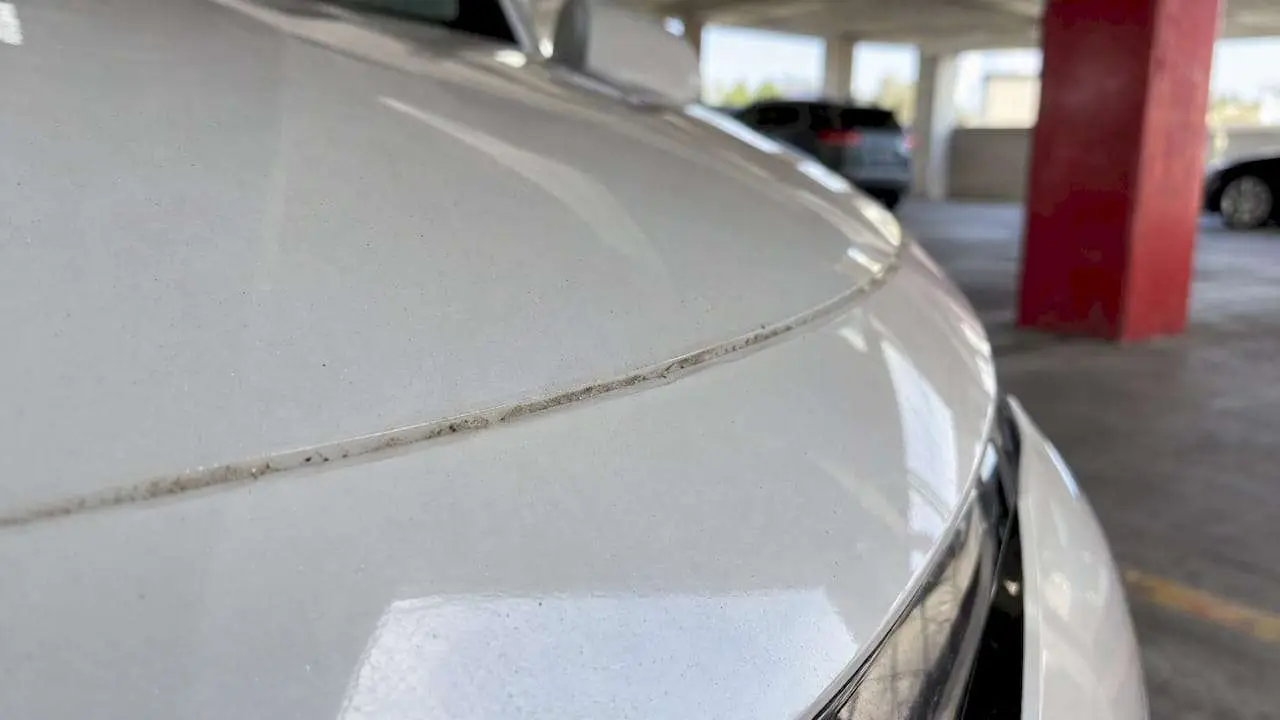
- Existing chips show through a wrap and can be magnified by glossy finishes. Deep chips can also hurt adhesion.
- Fix or correct the paint first, then decontaminate, then apply film. Prep decides how long the job lasts.
- Want color and chip protection? Wrap the car, then protect the high-impact areas with clear film, or choose PPF alone if you like the paint you have.
- In Los Angeles, we offer XPEL PPF from $2,199 for a full front and vinyl wraps from $2,800.
Table of Contents
- Does a vinyl wrap protect against rock chips?
- Vinyl wrap vs. PPF on rock chips
- Can you wrap a car that already has rock chips?
- What actually protects paint from rock chips
- Can you have color and chip protection together?
- Our view: what we tell owners who ask about wraps and chips
- What it costs in Los Angeles
- Book an inspection before you choose
- Frequently asked questions
- Sources
Does a vinyl wrap protect against rock chips?
Only a little, and not reliably. Most people assume that any film on a car is a shield. In practice, the two product families are built for different jobs. Industry guidance from WheelPrice describes PPF as an elastomeric polyurethane designed to absorb kinetic energy and heal minor marks with heat, while vinyl wrap is a thinner, flexible material meant for custom styling. Picking the wrong one is the most common mistake owners make when they want chip protection.
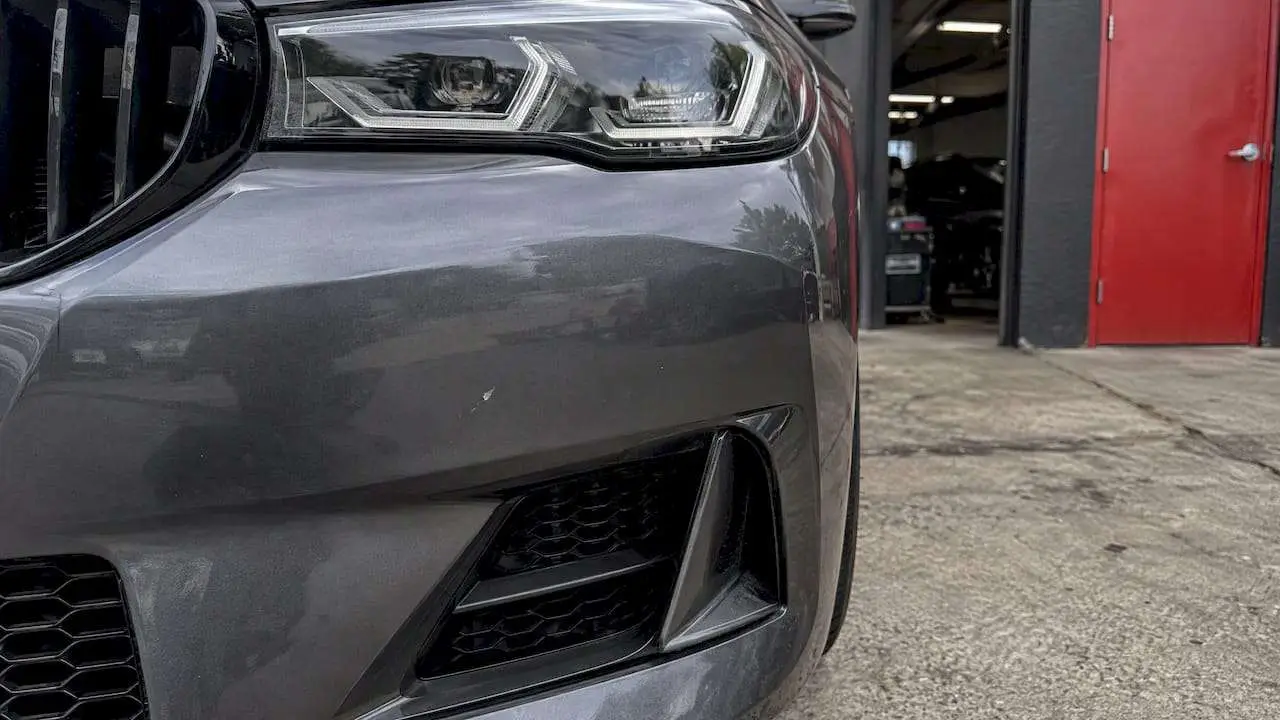
The forum threads that rank for this search say the same thing in plain language. One owner notes that a wrap hides dust and dirt well but that a rock chip will still show. That matches what we see: a chip in vinyl usually looks like a small white or paint-colored crater, and because vinyl has no clear coat on top, it can lift around the damage and collect dirt.
Two things are true at once:
- A wrap does add a layer between the road and your paint. A light spray of sand or a stray pebble at low speed may never touch the paint underneath.
- That layer is not engineered for impact. A stone at highway speed can cut, pit or tear vinyl, and the paint beneath can still be hit.
So the honest answer is that vinyl is cosmetic protection against light wear, not chip protection. If chips are your main worry, you want PPF.
Vinyl wrap vs. PPF on rock chips
| Standard vinyl wrap | Paint protection film | |
|---|---|---|
| Main purpose | Color and finish change | Impact and chip protection |
| Material | Thin, flexible styling film | Elastomeric polyurethane, typically 6 to 10 mils |
| Absorbs stone impact | Limited | Designed to |
| Hides existing chips | No | No |
| Best for | Changing how the car looks | Keeping the paint you have intact |
The thickness figure is worth a closer look. The same guide notes that some films are around 150 microns, roughly 6 mils, yet are designed for different performance parameters. Thickness alone does not tell you whether a film resists chips. The material and its intended use matter more.
If you are weighing a wrap against a repaint for looks, our page on vinyl wrap vs. paint walks through that decision. For the protection angle specifically, see does vinyl wrap protect paint.
Can you wrap a car that already has rock chips?
You can, but the result depends on how bad the chips are and what you do first. The two sources we trust most here are 3M’s own installation documents.
3M’s installation FAQ says wrap films should go on a “like new” finish for the best results, and that rust, bubbling or physical damage will be visible through the film and may affect how long the installation lasts. In plain terms:
- Minor chips and scratches. Thin film can sometimes soften how they look, but they will not disappear.
- Deep chips. They stay visible. They can also leave a spot where the adhesive does not bond correctly, which risks lifting or early peeling.
- Rust or flaking paint. Do not wrap over it. It needs repair first.
- High-gloss finishes. Gloss acts like a lens. Imperfections in the paint or clear coat can look worse, not better.
That last point surprises people. Owners often hope a gloss wrap will “fill in” chips. It does the opposite: it shows the edges of each chip in sharp light.
What to do before wrapping a chipped car
This is the order a careful installer follows.
- Inspect the panels under strong light. Mark every chip, door ding and rough spot. Check for rust at the chip edges.
- Repair the chips. Touch-up paint, filler or panel repair, depending on depth. A forum tip that came up in the search results is to have the installer gently heat a raised edge of a chip or flaw to level it before color fill. Ask your shop whether that suits your paint.
- Correct the paint where needed. Fixing imperfections in the clear coat is much easier before film than after. Our guides on paint correction before PPF and how paint correction stages are decided explain what shops fix and what to ask.
- Decontaminate. Even a car that looks clean needs wax, tar and road sealant removed with the right solvents or clay, just before application. 3M’s preparation guide is clear that surface prep matters as much as the film itself. Our decontamination wash page shows what that inspection looks like.
- Wipe down near the edges. 3M’s guide calls for lint-free microfiber and a mix of 70% isopropyl alcohol and 30% water on areas near the wrap, such as the windshield and trim.
- Install in a controlled space. Dust under film is permanent once the adhesive sets.
Skipping steps two through four is the usual reason a wrap on a chipped car looks bad within months.
Why edges and post-heating matter
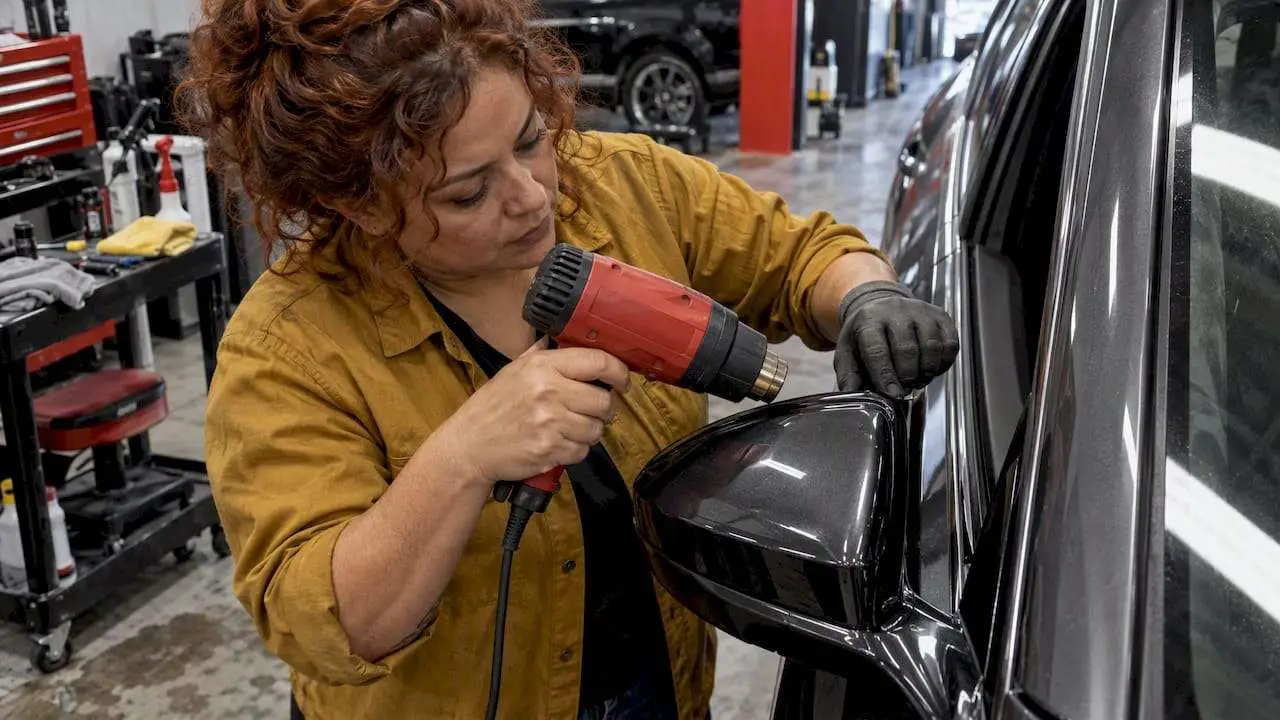
Chips are usually on the leading edges of the car: the bumper, hood edge, mirrors and fender lips. These are also the hardest places to wrap. 3M’s FAQ says installers should heat edges and corners to 200°F to 225°F to set the film’s memory. Without it, film can lift from curves and tight edges. If your car has a lot of chips on these areas, ask the shop how they wrap and post-heat them.
What actually protects paint from rock chips
If your goal is to protect, not to recolor, these are the realistic options.
Clear PPF on the impact zones. The hood, front bumper, fenders, mirrors and the lower doors take the most hits. XPEL’s flagship product, Ultimate Plus, is described by the manufacturer as defending against scratches, rock chips and environmental contaminants, with self-healing technology for minor scratches. Self-healing handles light swirl marks, not a stone that gouges the film, but the film takes the hit instead of your paint.
Full-vehicle PPF. The most complete coverage, and the one to pick if you plan to keep the car long term or care about resale value.
Ceramic coating on top. A coating adds gloss and makes washing easier. It does not stop chips by itself, but it pairs well with PPF.
Driving habits. Leaving more distance behind trucks and avoiding fresh gravel helps every car, though it will not replace film.
For a deeper look, read our guide to what stops rock chip damage.
Can you have color and chip protection together?
Yes, and many owners in Los Angeles do. There are two common routes:
- Wrap first, then clear film over the high-impact areas. You get the color change and the front end is covered by film that is built to take stones. This is how we usually suggest it to Tesla and luxury owners who want a custom look and also drive the freeway.
- Skip the wrap and use PPF alone. If you like your factory color but want chips off the table, clear film does that without changing anything about the look.
In both cases, the order matters: chip repair and paint correction, then decontamination, then film. Any shop that says it can wrap straight over chipped paint without a look at the panels is skipping the part that matters most.
Our view: what we tell owners who ask about wraps and chips
We get this question at the shop more than the search volume would suggest, usually from someone who has just spotted a chip and is wondering whether a wrap would cover it. Our answer is always the same: it won’t, and we would rather say so now than have you find out in six months.
What we look at first is the paint, not the film. Before we quote, we want to see the car in good light, because chips, dings and orange-peel texture decide how much prep a job needs. A clean edge, tight alignment and wrapped corners only hold up when the surface underneath is sound. That is where precision matters, and it is why we use premium materials from brands we trust, XPEL for PPF among them.
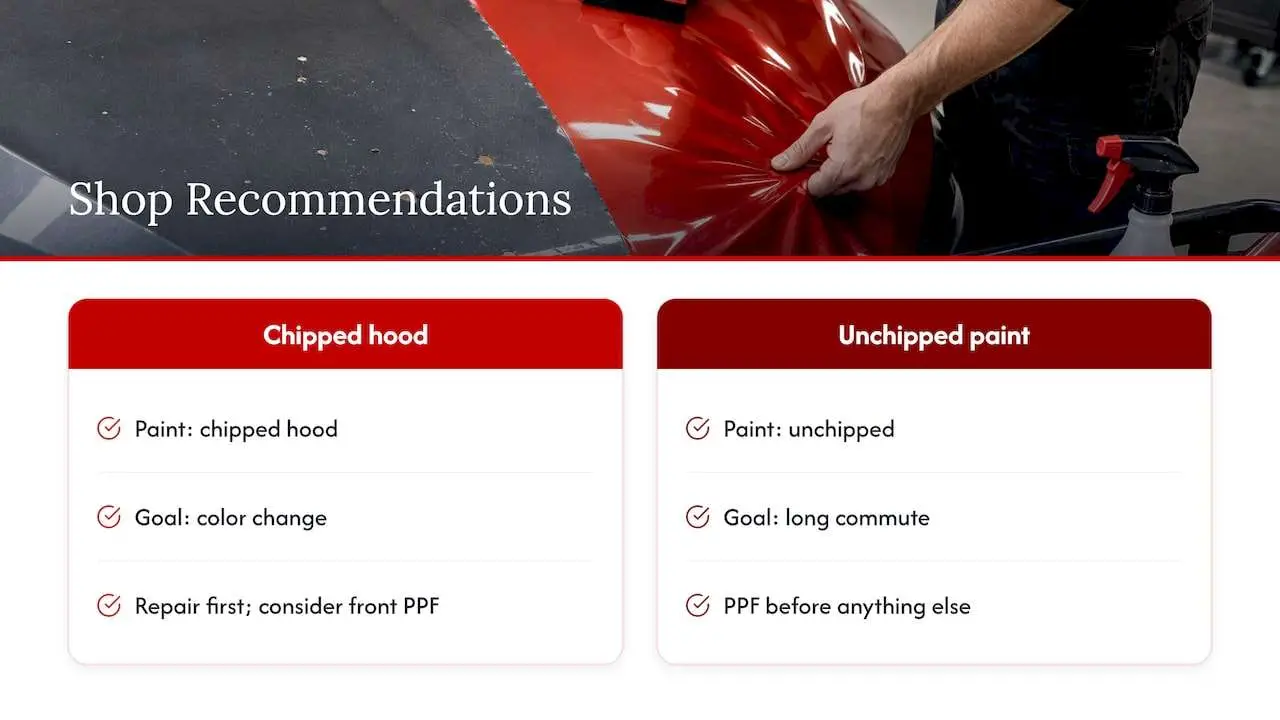
If you come in with a chipped hood and want a color change, we will tell you plainly what the wrap will and won’t do, what repair comes first, and whether clear film on the front end makes sense afterward. If you come in with unchipped paint and a long commute, we will likely point you to PPF before anything else. The right choice depends on what you want the car to be in two or three years.
— Jake
What it costs in Los Angeles
Pricing depends on the car, the coverage and the condition of the paint. These are our published starting points:
| Service | Price |
|---|---|
| Full Front PPF | $2,199 |
| Full Vehicle PPF | From $4,500 |
| Full Color Change Wrap | From $2,800 |
Partial Front, Track Pack, ceramic coating, chrome delete and detailing are quoted per vehicle. Chip repair or paint correction before film is not included in these starting prices; it depends on what the inspection finds, and we quote it before work begins.
Warranty terms matter too. XPEL’s warranty information addresses films installed over visible surface defects, so read it before you decide to cover damaged paint, and ask your installer how they handle it.
Book an inspection before you choose
If you are in Los Angeles and not sure whether you need PPF, a wrap or repair first, bring the car to our North Hollywood shop. We will look at the chips, tell you what needs to be fixed, and quote the options. You can start with our paint protection film services, or see color and finish choices on the wrap options page. We respond to quote requests the same day.
Frequently asked questions
How can I protect my car paint from rock chips?
The most effective option is paint protection film on the areas that take the most hits: hood, front bumper, fenders, mirrors and rocker panels. Full-vehicle coverage is available if you want every panel protected. Vinyl wrap and ceramic coatings add looks and ease of cleaning, but they are not chip protection.
Can you wrap a car with stone chips?
Yes, but the chips will still show, and deep ones can affect adhesion. The film does not fill them. Repair them first, correct the paint if needed, and decontaminate the surface before the wrap goes on. Rust needs to be treated before any film is applied.
Is it normal for cars to get paint chips?
Yes. Chips come from stones and debris thrown up by other vehicles, and they gather on the front of the car. Freeway commuters see them sooner. A chip does not mean something is wrong with your paint, but unrepaired chips can lead to rust over time, so it is worth getting them looked at.
How well does vinyl wrap stick?
Well, if the surface is clean, undamaged and prepped, and if edges are post-heated. 3M’s guidance says film bonds best to a like-new finish. Bad paint, contamination or skipped post-heating are the usual reasons for lifting.
Sources
- Paint Protection Film & Vinyl Wraps: A Buyer’s Guide, WheelPrice
- 3M Protection Wrap Film Vehicle Installation FAQ
- 3M Vehicle Preparation for Success Guide
- XPEL Ultimate Plus PPF
- XPEL Warranty Information